My Boyfriend’s Behavior During Intimacy Made Me Question Our Relationship

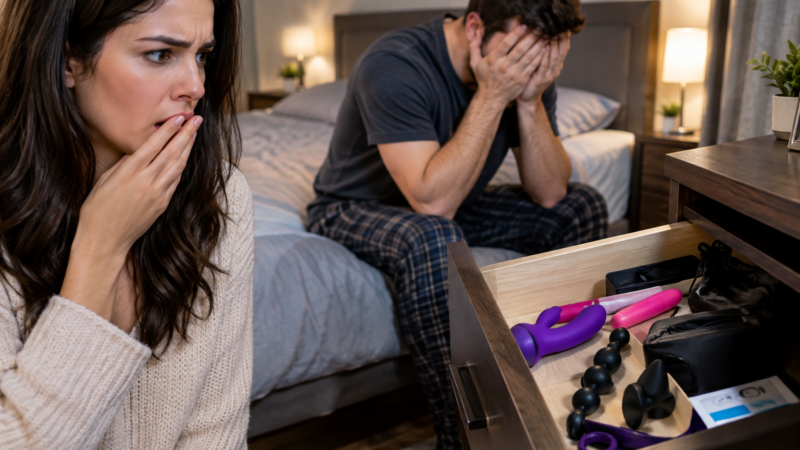
I never thought I would find myself questioning my entire relationship because of something that happened during an intimate moment. My boyfriend and I had been together long enough for me to believe that we understood each other and knew how to make one another feel safe and comfortable. Like every couple, we had our disagreements, but I always believed that our relationship was built on love, trust, and mutual respect. However, something about his behavior during intimacy left me feeling hurt, confused, and emotionally distant from him. What bothered me most was not just what happened in that moment, but how differently I began seeing him afterward.
Before this incident, I genuinely believed that I could be vulnerable around my boyfriend without worrying about being judged or treated badly. Intimacy was supposed to be something we shared because we cared about each other, not something that left either of us feeling embarrassed or uncomfortable. I understood that people could have awkward moments, misunderstandings, and disagreements, especially when emotions were involved. I never expected every experience to be perfect, and I certainly did not expect him to read my mind. All I wanted was to feel that we were on the same team and that my feelings mattered just as much as his.
The incident happened during a private moment between us, and I was not expecting anything to go wrong. We had been spending time together, and everything initially seemed normal. However, at some point, his attitude suddenly changed. His words and the way he spoke to me made me feel as though I had done something terrible, even though I was simply trying to navigate the situation with him. I was caught off guard because I had never expected that kind of reaction from someone I loved. Instead of feeling close to him, I suddenly felt nervous and unsure about how I should respond.
What hurt me most was the way his behavior affected me emotionally. I found myself wondering why he had reacted so strongly and whether he understood how uncomfortable he had made me feel. I was not expecting him to agree with everything I said or pretend that nothing ever bothered him. I simply believed that even during an uncomfortable moment, two people who cared about each other should be able to communicate without making the other person feel intimidated or humiliated. His reaction made me question whether we had the same understanding of respect, especially when one of us was feeling vulnerable.
Afterward, I struggled to act as though everything was normal. I kept replaying the incident in my mind, remembering his expression, his tone of voice, and the way I had felt when it happened. I wondered whether I was making too much of the situation or whether my feelings were completely justified. Part of me wanted to forget about it and move forward because I did not want one difficult experience to ruin a relationship that meant so much to me. Another part of me knew that ignoring something that had genuinely hurt me would not make the feelings disappear. The more I thought about it, the harder it became to convince myself that everything was fine.
Eventually, I realized that I needed to talk to him about what had happened. I did not want to start another argument, and I was not interested in making him feel like a terrible person. I wanted him to understand how his behavior had affected me and why I could not simply brush it aside. I explained that I needed to feel comfortable communicating with him, even when something did not go according to plan. I also wanted him to understand that being in a relationship did not mean either of us had the right to take our frustration out on the other person. I hoped that an honest conversation would help us understand each other better and prevent a similar situation in the future.
The experience also made me reflect on our relationship beyond that single incident. I began thinking about how we handled disagreements, whether we listened to each other, and how often we dismissed feelings that were difficult to discuss. I wondered whether I had overlooked smaller moments of disrespect because I loved him and wanted our relationship to work. I did not want to assume that one bad moment defined his entire character, but I also did not want to ignore a potentially serious problem. I started asking myself whether I felt emotionally safe with him and whether I could trust him to respect my boundaries when we disagreed or when either of us felt frustrated.
The hardest part of this situation is that I still care about him. I remember the good times we have shared, the moments when he made me laugh, and the ways he has shown me affection. Those memories make it difficult to think about the possibility that our relationship might not be as healthy as I once believed. At the same time, I am beginning to understand that loving someone does not mean accepting every behavior that hurts me. I want a relationship where both people can admit their mistakes, apologize sincerely, and make genuine efforts to change. If he can listen to my concerns and show through his actions that he respects me, perhaps we can work through this. However, if my feelings continue to be dismissed or his behavior becomes a pattern, I will have to consider whether staying together is right for me.
For now, I am trying to understand what this incident means for our future. I do not want to make a decision based entirely on one emotional experience, but I also refuse to pretend that it did not affect me. I believe that disagreements can be resolved when both partners are willing to communicate honestly and take responsibility for their actions. What I need is reassurance through consistent behavior, not simply promises that everything will be different next time. I want to feel respected, valued, and comfortable being vulnerable with the person I love. More than anything, I want to know that my boundaries will be taken seriously, even when emotions run high. Would you try to work through this situation with your partner, or would his behavior during such a vulnerable moment make you question whether the relationship should continue?
Read Story…
My (18F) Boyfriend (18M) Exploded at Me During Intimacy, and His Reaction Made Me Question Our Entire Relationship
I’m 18F, and my boyfriend is also 18. Something happened between us that has stayed in my mind for a long time, and even though I eventually ended the relationship, I still find myself thinking about that night and wondering whether I was right to feel so upset. I think I need to share what happened because, at the time, he made me feel as though everything was my fault. Looking back now, I realize how much I had started questioning my own feelings because of the way he treated me.
A while ago, my boyfriend and I were being intimate in his car. We were parked somewhere at night, and although it was dark, I became increasingly uncomfortable about the possibility of someone walking past and seeing us through the windows. I started worrying about being exposed in public, and all I wanted was to cover the windows so we could have some privacy. It wasn’t that I didn’t want to be close to him or that I was trying to ruin the moment. I was simply feeling anxious and wanted to feel safe and comfortable.
At one point, I got off him sooner than he expected because I wanted to find something to cover the window. I honestly didn’t think it was a big deal. In my mind, it was a simple interruption that could easily be handled by taking a moment to fix the situation. I expected him to understand why I was uncomfortable, or at the very least, to talk to me calmly about it. I never imagined that such a small moment would turn into an argument that would leave me feeling so hurt and confused.
Instead of understanding my concerns, he suddenly started yelling and cursing at me. His entire attitude changed almost instantly, and I felt as though I had done something terrible just by wanting privacy. He complained that I couldn’t “just have sex normally” and acted as if my discomfort was some kind of personal attack against him. His words were harsh, and the way he spoke to me made me feel embarrassed, guilty, and genuinely uncomfortable.
He kept going on about how he had been looking forward to having sex with me all day. He made it sound as though the time he had spent anticipating the moment somehow meant I was obligated to behave exactly the way he wanted. He also brought up the fact that he had bought me food, as if doing something nice for me meant I owed him something in return. I remember being shocked by that part because I had never thought that buying someone a meal should come with expectations about what they must do physically.
What hurt the most was that he seemed completely uninterested in understanding why I had moved away. He didn’t ask whether I was uncomfortable or whether I was worried someone might see us. He didn’t stop to consider that I might have needed a moment to feel secure. Instead, he focused entirely on his own frustration and made me feel responsible for fixing his mood.
Afterward, I kept replaying the situation in my head. I wondered whether I had somehow handled things badly or whether I should have explained myself differently. He told me it was my fault because I had “confused” him. According to him, my actions had somehow caused his reaction, and he seemed convinced that I should have known how he would feel. That explanation left me questioning myself, even though I couldn’t understand why wanting to cover a car window justified being shouted at.
The incident was especially upsetting because it wasn’t completely out of character for him. There had already been other occasions when he pressured me into having sex, became upset when I said no, or made me feel guilty for not wanting to do something. Sometimes, I felt as though saying no would lead to an argument or an uncomfortable atmosphere that I would then have to deal with. Instead of feeling like my boundaries were respected, I often felt like I had to manage his reactions to them.
I began to notice a pattern. When things went the way he wanted, everything seemed fine. But when I expressed discomfort, changed my mind, or wasn’t in the mood, he could become irritated or make me feel as though I had disappointed him. I started wondering whether he cared about how I felt or whether he was mainly concerned with getting what he wanted. It was difficult to admit that thought to myself because I cared about him, and I wanted to believe that he cared about me in the same way.
I know that people can become disappointed when plans change, and I understand that intimacy can involve emotions and expectations. But I don’t believe disappointment gives someone the right to yell, curse, pressure their partner, or make them feel guilty for setting a boundary. I wasn’t trying to punish him or embarrass him. I was uncomfortable with the possibility of being seen, and I wanted to cover the window. That should have been something we could discuss without turning it into a fight.
I also keep thinking about the way he brought up buying me food. It made me wonder whether he viewed kindness as something that created a debt I was expected to repay. I don’t believe a meal, a gift, affection, or anything else means someone is entitled to sex. Being in a relationship doesn’t mean either person loses the right to say no, pause, change their mind, or ask for something to stop. Both people should feel comfortable expressing themselves without being punished emotionally for it.
At the time, though, I wasn’t nearly as confident about these things as I am now. I was young, I cared about him, and I wanted the relationship to work. When someone repeatedly tells you that you’re the problem, it’s easy to start examining every little thing you do instead of asking whether their behavior is acceptable. I found myself wondering whether I was too sensitive, whether I was overreacting, or whether I really had confused him as he claimed.
Part of me wanted him to acknowledge that he had gone too far. I wanted him to understand that his reaction had frightened and hurt me. I wanted to hear that my comfort mattered to him and that he would handle things differently next time. Instead, I felt as though I was being blamed for the entire situation. That made it harder to trust my own judgment, and it left me feeling emotionally distant from someone I was supposed to feel safe with.
Eventually, I started seriously questioning the relationship. I realized that intimacy should not be something I approach with anxiety about how my partner might react if I change my mind or express discomfort. I should not have to worry that a simple request for privacy will turn into an argument. And I should never feel that I have to agree to something physical just to avoid being yelled at or made to feel guilty.
So, am I wrong for feeling that his behavior was unacceptable? Was I really responsible for his reaction simply because I got off him sooner than he expected? Or was this a sign of a much bigger problem in the way he viewed my boundaries and my feelings?
I wasn’t looking for a fight that night. I just wanted to feel comfortable and protected from the possibility of someone seeing us. I never expected that asking for a little privacy would lead to being cursed at by someone who claimed to love me.
EDIT: Thank you so much to everyone who responded and shared their thoughts. I honestly didn’t expect this post to receive so much attention, but reading your comments has helped me process what happened.
For anyone wondering what happened afterward, I ended the relationship a few months ago. By that point, I had started suspecting that the way he treated me wasn’t just normal relationship conflict. The pressure around sex, his reactions when I said no, and the way he made me feel responsible for his anger had all started adding up. This particular night stayed in my mind, and I needed reassurance that I hadn’t imagined how wrong it felt.
Reading your responses has helped me understand that I wasn’t being unreasonable for wanting privacy or for expecting my boyfriend to speak to me respectfully. I wasn’t responsible for his decision to yell at me, and buying me food did not give him any claim over my body. I deserved to have my boundaries respected, even if he felt disappointed or frustrated.
I’m grateful to everyone who took the time to respond with kindness and perspective. Sometimes, after being made to question yourself for so long, it takes hearing other people acknowledge what happened before you can fully trust your own feelings again. I appreciate all of you who helped me remember that my comfort, consent, and emotional well-being mattered too.
When One Intimate Moment Changed Everything
I never imagined that an intimate moment with my boyfriend would make me question the future of our relationship. We had been together long enough for me to believe that we understood each other and knew how to handle uncomfortable situations with care. Like every couple, we had our disagreements, but I always thought that love and respect would help us work through them. That night, however, something happened that left me feeling confused, hurt, and emotionally distant from him. What bothered me most was not simply the incident itself, but the way his reaction made me question whether my feelings truly mattered to him.
The Relationship I Thought We Had
Before this incident, I genuinely believed that our relationship was heading in a positive direction. We had shared plenty of happy memories, supported each other through difficult days, and talked about things we wanted to do together in the future. I felt comfortable enough around him to let my guard down and show him parts of myself that I did not share with everyone. I believed that being in a relationship meant having someone who would treat me with kindness, especially when I was vulnerable. Although we were not a perfect couple, I had never seriously considered whether our relationship might be unhealthy.
Trust Was Important to Me
For me, intimacy was never just about physical attraction. It was also about feeling emotionally connected to someone and knowing that I could trust them. I wanted to feel comfortable expressing my preferences, communicating my boundaries, and admitting when something made me nervous. I believed that both partners should be able to speak openly without worrying about being humiliated or punished for their feelings. I never expected my boyfriend to understand everything without an explanation, but I did expect him to listen when I told him that something was bothering me.
An Unexpected Situation
The incident happened during a private moment between us. At first, everything seemed normal, and I had no reason to believe that the situation would turn into an upsetting experience. However, something made me uncomfortable, and I reacted by trying to address that discomfort. I was not trying to reject him, embarrass him, or deliberately ruin the moment. I simply wanted to feel comfortable and secure. I thought that explaining my concerns or briefly changing what we were doing would be something we could handle together without turning it into a serious conflict.
His Reaction Took Me by Surprise
Instead of responding calmly, my boyfriend became visibly frustrated. His tone changed, and the way he spoke to me made me feel as though I had done something wrong simply by expressing discomfort. I was caught completely off guard because I had not expected such a strong reaction from him. I remember feeling confused about what I was supposed to say or do next. Rather than feeling close to someone I loved, I suddenly felt as though I needed to defend myself. It was an upsetting shift, especially because I had trusted him enough to be vulnerable with him.
I Felt Like My Feelings Did Not Matter
What hurt me most was the feeling that my emotions had become unimportant the moment they interfered with what he wanted. I understood that he might have felt disappointed or frustrated, and I was not trying to suggest that he was never allowed to experience those feelings. However, there is a difference between feeling disappointed and treating your partner badly because of it. I wanted him to understand that my comfort mattered too. I did not believe that being in a relationship meant I had to ignore my own feelings whenever they conflicted with his expectations.
The Words Stayed With Me
Even after the situation was over, I could not stop thinking about the way he had spoken to me. I replayed the conversation repeatedly, wondering whether I had misunderstood something or whether I could have handled the situation differently. Sometimes I caught myself focusing more on what I might have done wrong than on the way he had treated me. That bothered me because I had never wanted a relationship in which I felt responsible for managing another person’s anger at the expense of my own comfort. His reaction left me questioning myself when I had originally been trying to address a perfectly understandable concern.
I Started Doubting My Own Judgment
Over the following days, I found myself questioning whether I was being too sensitive. I wondered whether other couples experienced similar situations and simply moved on without giving them much thought. I tried to convince myself that perhaps the incident was not as serious as it felt at the time. However, every time I remembered it, the same uncomfortable feeling returned. I knew that misunderstandings happened in relationships, but I also knew that feeling afraid to express discomfort was not how I wanted to experience intimacy. I needed to understand why this situation had affected me so deeply.
This Was Not the First Time I Felt Uncomfortable
As I thought more about the incident, I began remembering other moments when I had felt uneasy around him. Some were small disagreements that I had quickly forgotten, while others had left me feeling unheard. I had sometimes chosen not to raise concerns because I did not want another argument to begin. At the time, I told myself that avoiding conflict was a way of protecting our relationship. Looking back, I began to wonder whether I had been protecting the relationship by repeatedly ignoring my own needs. I did not want to assume that every disagreement was a warning sign, but I could no longer ignore the pattern I was beginning to notice.
The Pressure I Had Been Overlooking
One of the most concerning things was that I sometimes felt pressured to agree with him even when I was uncomfortable. I had noticed that he did not always respond well when I expressed hesitation or said that I did not want to do something. His disappointment could make me feel guilty, and I occasionally found myself explaining my decisions more than I felt I should have to. I wanted to believe that he simply struggled to communicate his emotions. However, I began to understand that repeatedly making someone feel guilty for saying no can create an unhealthy dynamic, even when the other person claims that they did not intend to cause harm.
Love Should Not Require Constant Explanation
I started thinking about how often I felt the need to justify my own boundaries. I did not want to spend my relationship explaining why I needed to feel safe, why certain situations made me uncomfortable, or why I sometimes needed to pause. I believed that a loving partner should be willing to listen to those concerns without treating them as personal attacks. Of course, relationships require compromise, patience, and communication, but compromise should never mean that one person has to sacrifice their comfort to keep the other person happy. I wanted us to find solutions together rather than making me feel guilty whenever I expressed a need.
I Decided to Talk to Him
Eventually, I realized that I could not continue pretending that everything was fine. I needed to talk to him honestly about what had happened and explain how his reaction had affected me. I did not want the conversation to become another argument, so I tried to approach it calmly. I explained that I had felt uncomfortable and that his response had made the situation much more upsetting than it needed to be. I wanted him to understand that I was not trying to embarrass him or reject him as a person. I was asking for consideration and respect during a moment when I needed both.
I Wanted Him to Understand My Perspective
During our conversation, I tried to make it clear that my concern was not simply about one uncomfortable moment. It was about how we treated each other when something did not go according to plan. I wanted to know whether he could recognize that his reaction had hurt me, even if he had been frustrated himself. I explained that both people in a relationship deserved to feel heard and that neither person’s emotions should automatically take priority. I was not asking him to ignore his own feelings. I was asking him to consider mine with the same care that I tried to give his.
\ I Was Afraid of Being Blamed Again
Even though I wanted an honest conversation, I felt nervous about bringing up the incident. I worried that he might tell me I was overreacting or insist that I had caused the entire problem. I had already spent so much time questioning myself that I did not want to leave the conversation feeling even more confused. I wanted us to discuss what had happened without turning it into a debate about whether I had the right to feel hurt. I knew that we might not agree on every detail, but I hoped we could at least acknowledge each other’s experiences and take responsibility for our own behavior.
His Response Made Me Think More Carefully
As we discussed the situation, I paid close attention to how he responded to my concerns. I knew that hearing criticism could be uncomfortable, and I did not expect him to react perfectly. However, I needed to see that he was genuinely interested in understanding why I had been hurt. A sincere response would involve listening, acknowledging the impact of his behavior, and being willing to handle similar situations differently in the future. I realized that an apology alone would not necessarily resolve the problem if the behavior continued. What mattered was whether he could turn that conversation into meaningful change.
I Began Looking at Our Relationship Differently
After that conversation, I could no longer look at our relationship in exactly the same way. I started paying more attention to how we communicated during disagreements and whether I felt comfortable being honest with him. I wondered whether I could express an unpopular opinion without worrying about his reaction. I also thought about whether he respected my decisions when they did not match what he wanted. These questions were difficult because they challenged the image of our relationship that I had carried for so long. I had always focused on the good parts, but now I felt that I needed to examine the difficult parts just as honestly.
I Did Not Want to Judge Him Unfairly
Despite everything, I did not want to label my boyfriend based on a single incident without considering the wider context. I knew that people sometimes react badly when they are frustrated, tired, or disappointed. I had made mistakes in our relationship too, and I would not want every poor decision I made to define me forever. However, recognizing that people make mistakes does not mean pretending that those mistakes have no consequences. I could acknowledge that he might have been upset while still recognizing that his behavior had hurt me. Both things could be true, and I did not need to deny my own experience to be fair to him.
The Difference Between a Mistake and a Pattern
One question kept coming back to me: Was this an isolated mistake, or was it part of a larger pattern? If someone reacts badly once, recognizes the harm they caused, and genuinely changes, a relationship may be able to recover. But if the same behavior happens repeatedly, apologies can begin to lose their meaning. I did not want to wait until I was emotionally exhausted before taking my concerns seriously. I needed to look at what had happened before, how he responded when I spoke up, and whether I had seen lasting improvements. His behavior over time would tell me much more than a single promise made during an emotional conversation.
Intimacy Started Feeling Different
The incident also changed how I felt about being intimate with him. Before, I could relax and focus on the connection we shared. Afterward, I sometimes found myself thinking about what might happen if I became uncomfortable again. I worried about whether he would listen if I asked to stop or change what we were doing. Those thoughts made it difficult to feel as relaxed and connected as I once had. I did not want intimacy to become a source of anxiety or pressure. I wanted to feel free to communicate honestly without worrying that doing so would lead to anger, guilt, or another painful argument.
I Realized That Consent Must Be Respected
As I reflected on everything, I became more aware of how important consent and personal boundaries were to the health of our relationship. Being in a relationship does not mean that either person is automatically entitled to intimacy whenever they want it. Both partners must feel comfortable and remain free to change their minds or pause at any time. Disappointment is a feeling someone can communicate, but it does not give them permission to pressure, intimidate, or punish their partner. I wanted a relationship in which we could talk about our desires openly while understanding that either person could say no without being made to feel guilty.
I Missed the Way Things Used to Feel
Sometimes I found myself missing the relationship we had before the incident. I missed feeling relaxed around him, enjoying our time together without overthinking every interaction, and believing that difficult conversations would eventually bring us closer. I wanted to return to that sense of security, but I also knew that pretending nothing had happened would not restore it. Trust cannot always be repaired simply by returning to familiar routines. I needed to understand what had changed between us and whether we could rebuild the emotional connection that had been shaken. Missing the good times did not automatically mean that the problems could be ignored.
I Started Asking Myself Difficult Questions
I began asking myself questions that I had previously avoided. Did I feel respected when I disagreed with him? Could I express discomfort without fearing an angry response? Did I feel that my boundaries mattered, even when he was disappointed? Most importantly, was I staying in the relationship because it was genuinely making me happy, or because I was afraid of losing someone I had invested so much time and emotion in? I did not have immediate answers to these questions. However, asking them helped me recognize that the future of our relationship depended on more than how much we loved each other.
My Friends’ Opinions Made Me Reflect Further
When I considered discussing the situation with people I trusted, I realized how difficult it could be to explain relationship problems without feeling embarrassed. I did not want anyone to judge him unfairly, but I also did not want to keep everything to myself. Sometimes an outside perspective can help someone recognize patterns they have become accustomed to overlooking. I needed people who would listen without forcing me to make a particular decision. Their perspective could help me think more clearly, but I understood that I was the person who had to live with the consequences of whatever decision I made.
I Wanted Change, Not Just Promises
If our relationship was going to continue, I knew that I needed more than a conversation followed by a few days of kindness. I needed consistent respect and a genuine willingness to communicate differently. That meant being able to discuss uncomfortable situations without yelling, blaming, or making each other feel guilty. It also meant accepting boundaries without treating them as rejection or as a reason to retaliate emotionally. I was willing to work on communication together, but I could not do all the work myself. A healthy relationship requires effort from both people, and I needed to know that he was willing to take responsibility for his part.
I Was Afraid of Making the Wrong Decision
The possibility of ending the relationship frightened me because I had imagined a future with him. I had invested time, energy, and love into building something that I hoped would last. Walking away would mean accepting that the future I pictured might never happen. At the same time, staying without addressing the problem could mean spending more time feeling anxious and unheard. I felt caught between the fear of losing him and the fear of losing my sense of self while trying to make the relationship work. Neither possibility was easy to face, and I knew I needed to think carefully rather than make a decision simply to escape the immediate discomfort.
I Started Prioritizing My Own Emotional Well-Being
For the first time in a while, I began thinking seriously about what I needed to feel happy and secure in a relationship. I wanted to be with someone who respected my boundaries, listened when I expressed concern, and treated me kindly even during difficult moments. I wanted to feel that I could be honest without having to prepare myself for an argument. These were not unreasonable expectations, and I did not want to feel guilty for having them. I realized that caring about my boyfriend and caring about myself were not mutually exclusive. I could love him while still deciding that certain behaviors were unacceptable to me.
I Have Not Forgotten What Happened
Even as time passed, I found that the memory of the incident still influenced how I viewed our relationship. I did not want to hold onto resentment forever, but I also did not want to erase an experience that had taught me something important about my own boundaries. Forgiveness, if I eventually chose it, would not mean that the incident had been acceptable. It would mean that I had decided how I wanted to move forward after considering what happened and whether the circumstances had genuinely changed. I was learning that moving forward did not require me to pretend that I had never been hurt.
What I Want From a Future Partner
Regardless of what happens with my current boyfriend, I now have a clearer understanding of what I need from a relationship. I want a partner who can communicate frustration without making me feel small, who respects my right to say no, and who understands that intimacy requires trust from both people. I want someone who can admit when they are wrong and who does not expect an apology to erase every consequence of their actions. I also want to offer those same qualities in return. I know that relationships require patience and compromise, but I believe those things should help both partners feel valued rather than force one person to remain silent to keep the peace.
I Am Still Trying to Understand Our Future
Right now, I am still working through my feelings and deciding what this incident means for our future. I care about my boyfriend, and part of me hopes that we can learn from this experience and build a healthier relationship. However, I also know that my love for him cannot be the only factor in my decision. I need to feel safe, respected, and confident that my boundaries will be taken seriously. If he can demonstrate genuine accountability and lasting change, perhaps we can find a way forward together. If the pressure, anger, or disrespect continues, I will have to consider whether staying is truly right for me. Would you try to repair the relationship after an incident like this, or would your partner’s behavior during such a vulnerable moment make you reconsider your future together?