My Roommate Refuses to Understand Why I Couldn’t Ignore Their Low Blood Sugar
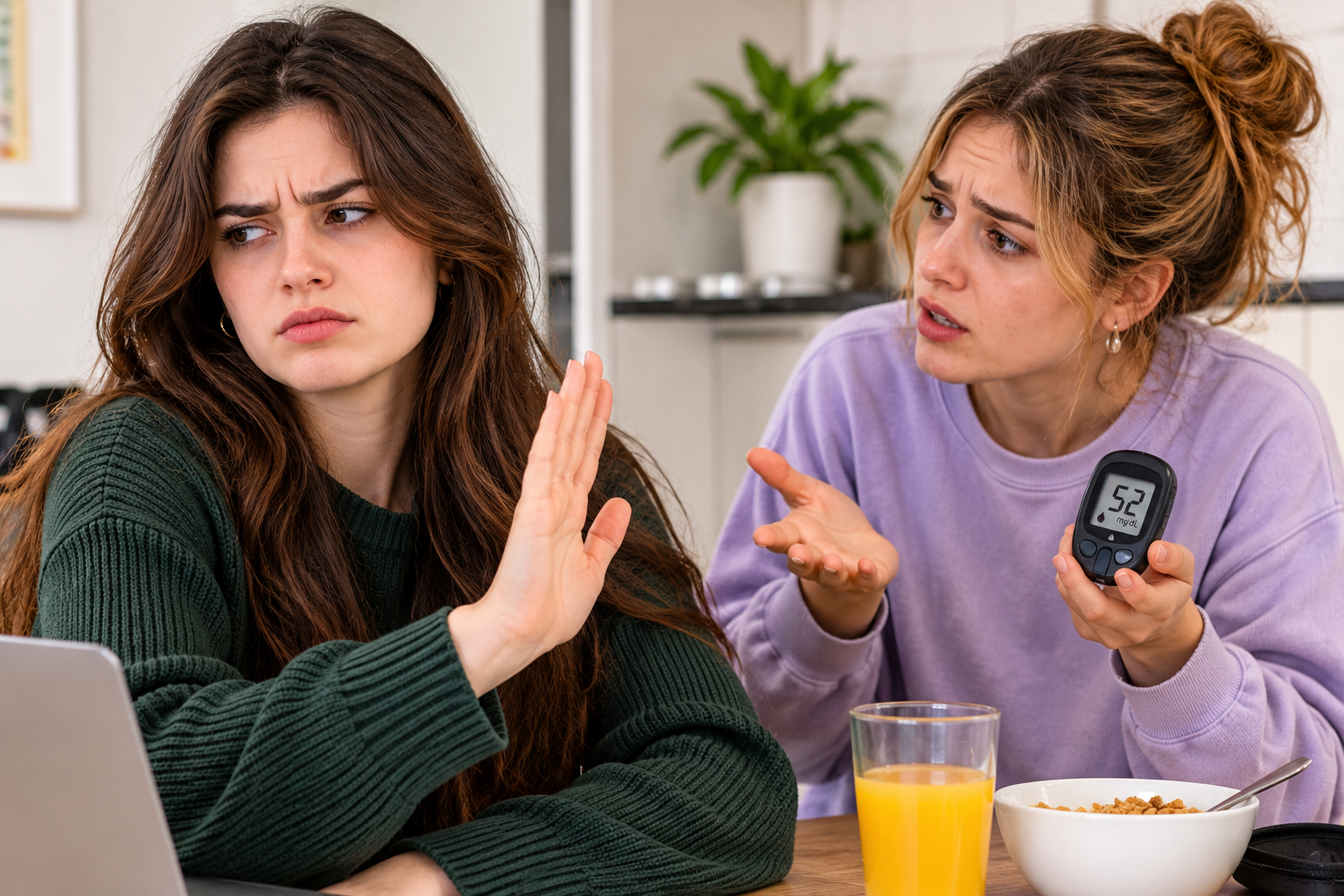
I never imagined that trying to protect my roommate’s health would turn into such a frustrating argument. I’m someone who generally respects other people’s privacy and personal boundaries, especially when sharing a living space. I understand that everyone has different routines, sleeping habits, and preferences, so I usually try not to interfere with things that don’t concern me. However, there are certain situations where I believe someone’s safety should come before their comfort or personal preferences. Recently, I experienced something that made me question whether I had crossed a boundary by waking my roommate up when I noticed their blood sugar was dangerously low. I genuinely thought I was doing the right thing, but their reaction made me feel like I had somehow become the problem.
My roommate and I have been living together for a while, and overall, our arrangement has been fairly comfortable. We aren’t necessarily best friends, but we get along well enough to share responsibilities, respect each other’s space, and avoid unnecessary disagreements. One thing I knew about my roommate was that they had diabetes and occasionally experienced low blood sugar. They had mentioned this before, so I understood that it was something they needed to monitor carefully. I wasn’t an expert in managing their condition, but I knew that low blood sugar could become serious if ignored. My roommate usually handled their health independently, and I never felt the need to interfere with their personal routine.
Over time, I became familiar with some of their habits. They usually kept snacks and other supplies nearby, and they were generally responsible about managing their condition. Sometimes they would mention feeling tired, shaky, or uncomfortable when their blood sugar dropped. I always tried to be supportive without making them feel uncomfortable or treating them differently. We had never discussed what I should do if they experienced a serious episode while sleeping. I assumed they had everything under control and that they would tell me if they ever needed assistance. Unfortunately, I eventually found myself in a situation where I had to make a decision without knowing exactly how they wanted me to respond.
One night, I noticed something unusual while my roommate was sleeping. I had been awake for a while when I became concerned about their condition. Their blood sugar reading was low, and I realized that this wasn’t something I could simply ignore. I knew they had experienced similar situations before, but seeing the situation happen while they were asleep made me particularly uncomfortable. I wasn’t sure how quickly things could become worse, and I didn’t want to assume everything would be fine just because they were resting. I tried to get their attention and wake them up because I believed they needed to be aware of what was happening and take appropriate action.
At first, my roommate seemed extremely annoyed that I had interrupted their sleep. They asked why I was bothering them and acted as though I had disturbed them over something unimportant. I explained that their blood sugar was low and that I was concerned about their safety. I expected them to understand why I had woken them up, but instead, they became defensive. They said they were exhausted and didn’t appreciate being disturbed in the middle of the night. I tried explaining that I wasn’t doing it to annoy them or interfere with their personal life. I genuinely believed that waking them was necessary because their health was more important than getting a few additional hours of uninterrupted sleep.
The situation became even more uncomfortable when my roommate accused me of overreacting. According to them, they knew their own body better than I did and didn’t need someone constantly monitoring their condition. They said that having diabetes didn’t mean they needed another person watching everything they did. I understood that point because nobody wants to feel helpless or treated like they cannot manage their own health. However, I also believed that there was a difference between unnecessarily interfering and responding to a potentially dangerous situation. I wasn’t trying to control their medical decisions. I simply didn’t feel comfortable ignoring something that could put their health at risk.
After that night, our relationship became noticeably awkward. My roommate started acting as though I had violated their privacy by waking them up. They told me that if something similar happened again, I should mind my own business unless they specifically asked for help. That statement made me uncomfortable because I wasn’t sure what they expected me to do if I noticed another serious situation. Should I simply pretend I hadn’t noticed anything and allow them to handle it without assistance, even if they were unable to respond properly? I didn’t want to become responsible for monitoring their health, but I also didn’t want to ignore an emergency just because they preferred not to be disturbed.
I eventually tried having a calmer conversation with them about what had happened. I explained that I respected their independence and understood that managing diabetes was a personal responsibility. I also told them that I wasn’t trying to make decisions for them or constantly check their blood sugar. However, if I noticed something that genuinely appeared dangerous, I would naturally feel concerned. I suggested that we should discuss an emergency plan so both of us would know what to do if a similar situation occurred again. They didn’t seem particularly interested in that conversation and repeated that they wanted me to stay out of their medical affairs. I felt frustrated because I was trying to find a reasonable compromise rather than create another argument.
Now I’m questioning whether I handled the situation correctly. I understand that people with diabetes deserve independence and shouldn’t have to feel constantly monitored by the people they live with. I also recognize that I may not know every detail about their condition or the way they prefer to manage it. However, I genuinely believe that a potentially serious medical situation shouldn’t be ignored simply because someone is sleeping or might become annoyed when awakened. I wasn’t trying to embarrass my roommate, invade their privacy, or make them feel incapable of looking after themselves. I was concerned about their safety, and I acted because I thought they needed help. Am I wrong for waking my roommate when their blood sugar was low, or should they understand that I couldn’t simply ignore something that might have put their health in danger?
Read Story…
AITA for waking my roommate up when they had a low blood sugar?
I (38M) got home around 11pm or so tonight, and my roommate (34NB), who is my best friend, was already asleep. At around midnight while I was getting ready for bed in my room I heard my roommates phone going off alerting of a low blood sugar (my roommate has type 1 diabetes).
I heard the alarm go off a second time in a short period of time so I figured that the alarm didn’t wake them up.
There has been an incident in the past where they had had a low blood sugar in the middle of the night and I ended up having to call 911 because of the severity of the low blood sugar and the way they were acting scared me,
so tonight I decided to wake them up to hopefully remedy the low blood sugar before getting to a point where it became serious enough for 911.
They were disoriented, which was expected, and I went downstairs to the kitchen and realized we had no juice to help.
I followed them into the living room asking what I should do, while they were looking for a pomegranate that they had apparently left somewhere, and when I said I hadn’t seen it they got incredibly snippy with me.
The entire time they were being kind of rude to me, which I understood because of their low blood sugar, but when I told them that they were being rude to me they snapped at me again and said next time I should just ignore their alarm and let them die.
I found a box of cereal that they could eat and they snatched it out of my hand, and when I mentioned that they were being kind of mean to me again they lashed out and said again that it didn’t matter because they couldn’t remember anything anyway. I just wanted them to at least acknowledge that they at least understood why I was kind of upset, but they kept saying that because they couldn’t remember it didn’t matter.
I went upstairs to go back to bed, thinking that maybe they’ll at least remember something in the morning about what happened tonight, but they followed me to berate me some more about how they have a low blood sugar, and I woke them up and didn’t really help them at all. I tried telling them how I felt and how scary it was the last time that they had a dangerously low blood sugar in the middle of the night, but they kept interrupting me.
I eventually just told them to leave me alone and to get out of my room. AITA??
I Thought I Was Protecting My Roommate, but They Saw It as an Invasion of Privacy
I never imagined that something as simple as waking my roommate up would turn into such a serious disagreement. I’m someone who generally tries to respect other people’s privacy, personal space, and daily routines. I understand that sharing a home with another person requires patience, communication, and a willingness to respect boundaries. However, I also believe there are situations where someone’s safety should come before their desire to be left alone. Recently, I found myself in a situation where I had to decide whether to let my roommate continue sleeping or wake them up because their blood sugar had dropped dangerously low. I chose to wake them, believing I was doing the responsible thing, but their reaction made me question whether I had crossed a boundary.
My roommate and I have been living together for quite some time. We aren’t necessarily best friends, but we have always managed to maintain a reasonably comfortable living arrangement. We share responsibilities, respect each other’s belongings, and generally avoid getting involved in personal matters unless someone specifically asks for help. Neither of us expects the other to provide constant attention or act like a personal assistant. We both have our own routines, responsibilities, and social lives. Because of that, I have always tried to give my roommate enough privacy and independence. I never wanted them to feel uncomfortable or as though they had to explain every little thing they did.
One thing I knew about my roommate was that they had diabetes. They had mentioned their condition when we first started living together, explaining that they sometimes experienced changes in their blood sugar levels. I wasn’t unfamiliar with diabetes, but I certainly wasn’t an expert. I understood that managing the condition required regular attention, medication when prescribed, and awareness of symptoms. My roommate generally seemed responsible about their health and usually handled everything independently. They kept their supplies nearby and occasionally checked their blood sugar. I never questioned how they managed their condition because I understood that they knew their own medical needs much better than I did.
During our conversations, my roommate had occasionally mentioned experiencing low blood sugar. They explained that it could make them feel shaky, weak, confused, or unusually tired. I remembered those conversations because I knew that low blood sugar could sometimes become dangerous if it wasn’t treated properly. However, I never wanted to make them feel uncomfortable by constantly asking questions about their health. I simply assumed that if something serious happened, they would communicate what they needed. We had never properly discussed what I should do if I noticed a medical problem while they were asleep or unable to respond.
Our living arrangement had been peaceful until the incident that caused this disagreement. It happened late at night when I was still awake in the apartment. My roommate had already gone to bed, and everything seemed normal at first. I was doing my own thing when I noticed something that made me concerned about their condition. Their blood sugar reading was unusually low, and I immediately became worried. I knew that low blood sugar wasn’t something to take lightly, especially when someone was sleeping and might not recognize their symptoms. I wasn’t sure how quickly the situation could become worse, so I decided I needed to get their attention.
At first, I tried waking them up normally. I called their name and attempted to get them to respond, hoping they would wake up and understand what was happening. I wasn’t trying to scare them or create unnecessary drama. I simply wanted them to become aware of their low blood sugar so they could take appropriate action. When they didn’t respond immediately, I became increasingly concerned. I knew that severe hypoglycemia could affect someone’s ability to think clearly or respond normally. I didn’t want to assume they were fine when there was a possibility that they needed immediate medical assistance.
Eventually, my roommate started waking up and seemed extremely irritated. Their first reaction wasn’t to ask what was happening or whether something was wrong. Instead, they complained that I had disturbed their sleep. They looked exhausted and clearly weren’t happy about being awakened in the middle of the night. I explained that their blood sugar was low and that I had become concerned about their safety. I expected them to understand why I had interrupted their sleep, but their expression suggested that they thought I was making a big deal out of nothing.
I tried explaining that I wasn’t waking them up because I was bored or wanted to start a conversation. I had noticed something concerning and didn’t feel comfortable pretending I hadn’t seen it. I told them that their health was more important than getting another hour of uninterrupted sleep. They responded by saying that they knew their own body and didn’t need someone else deciding when they should wake up. I understood that they were probably tired and frustrated, but I couldn’t understand why they were treating my concern as an attack on their independence.
The disagreement became more uncomfortable when my roommate accused me of overreacting. They said that low blood sugar was something they dealt with regularly and that I shouldn’t assume every episode was an emergency. I explained that I understood they had experience managing their condition, but I couldn’t know how serious the situation was without checking with them. I wasn’t a medical professional, and I wasn’t pretending to understand everything about diabetes. However, I knew enough to recognize that dangerously low blood sugar could require immediate attention. I would rather be cautious than ignore something that might become life-threatening.
My roommate continued insisting that I had no right to interfere with their medical situation. They said that having diabetes didn’t mean they needed someone constantly monitoring them. I agreed with that statement. I never wanted to become responsible for managing another adult’s health, and I certainly didn’t want them to feel watched or controlled. But there is a difference between monitoring someone unnecessarily and responding when you notice a potentially dangerous medical situation. I wasn’t checking their blood sugar every hour or questioning their food choices. I had simply reacted to something that genuinely worried me.
After the incident, I expected things to return to normal once everyone had calmed down. Unfortunately, my roommate continued bringing it up. They repeatedly mentioned how frustrating it was to be woken up and accused me of making their condition more stressful than it already was. They said they needed to be able to sleep without worrying that someone would suddenly interrupt them. I tried explaining that I had no intention of disturbing them unnecessarily, but I couldn’t promise that I would ignore another situation that appeared dangerous. That answer seemed to make them even more upset.
What bothered me most was that they seemed completely unwilling to acknowledge why I had acted that way. I wasn’t expecting a thank-you or some kind of special appreciation. I simply wanted them to understand that I had been concerned and was trying to help. Instead, they made me feel as though I had deliberately violated their privacy. I started questioning whether I should have handled the situation differently. Perhaps I should have asked them about their emergency preferences beforehand. Maybe there were specific steps they wanted someone to take if they experienced low blood sugar. However, I couldn’t change the fact that I had been worried in that moment.
I also began thinking about how much responsibility roommates should have toward each other. Obviously, we aren’t family members, and neither of us agreed to become the other’s caregiver. We share an apartment because it is convenient and affordable, not because we expect to manage each other’s personal lives. At the same time, I believe that living with someone creates a basic level of responsibility. If I notice someone unconscious, seriously injured, or experiencing a possible medical emergency, I don’t think I should simply walk away because we’re technically roommates. I would hope someone would show me the same concern if I were ever in a similar situation.
A few days later, I tried discussing the incident again when neither of us was particularly upset. I explained that I respected their independence and wasn’t interested in getting involved in their medical routine. I also said that I didn’t want another disagreement like this to happen because I genuinely valued having a peaceful living arrangement. I suggested that we establish a clear emergency plan. If their blood sugar dropped again, I wanted to know whether I should wake them, contact emergency services, or follow some other specific instructions. I thought having a plan would make both of us feel more comfortable.
My roommate didn’t seem enthusiastic about the suggestion. They said they didn’t want to discuss their medical condition every time something happened and that they preferred handling everything themselves. I told them I wasn’t asking for private medical information or trying to control their treatment. I just wanted to know what to do if they were unable to respond during a serious episode. They eventually said that I should leave them alone unless they specifically asked for help. That response left me uncomfortable because I didn’t know how I was supposed to determine whether they were capable of asking for help in the first place.
I tried to explain that severe low blood sugar can sometimes affect someone’s awareness and ability to respond. If a person becomes confused, loses consciousness, or cannot safely swallow, simply telling them to wake up and handle it themselves may not be enough. I wasn’t saying that every low reading automatically required an emergency response, but I didn’t think ignoring serious symptoms was a reasonable solution. My roommate seemed frustrated by the conversation and said I was making assumptions about something I didn’t fully understand. I admitted that I wasn’t an expert, but that was exactly why I wanted us to agree on a proper plan rather than rely on guesses.
The next few days were awkward. We continued sharing the apartment, but our usual conversations became shorter and less comfortable. I noticed that my roommate seemed irritated whenever I asked ordinary questions about how they were doing. I didn’t want to make them feel uncomfortable, so I stopped bringing up the incident unless it was necessary. However, I also found myself becoming more anxious about what might happen if another episode occurred. I didn’t want to ignore something serious, but I also didn’t want to create another argument by trying to help.
I eventually spoke to someone I trusted about the situation. I wanted an outside perspective because I wasn’t sure whether my roommate’s reaction was reasonable or whether I had genuinely crossed a personal boundary. The person I spoke with understood that people with chronic health conditions deserve independence and shouldn’t be treated as though they cannot make their own decisions. However, they also agreed that a possible medical emergency should be taken seriously. They suggested that my roommate and I needed to establish clear expectations about emergencies instead of arguing about what happened afterward.
That advice made sense to me because I realized that neither of us had properly discussed this issue before. My roommate probably assumed I would stay out of their medical affairs, while I assumed that waking them would be the obvious response if I noticed dangerously low blood sugar. We had never communicated those expectations clearly. I wasn’t trying to blame them for having a medical condition, and I didn’t think they should have to explain every detail of their health to me. But sharing a home means there should at least be some understanding of what to do if someone needs urgent assistance.
I also started researching general information about hypoglycemia so I could better understand what might happen during a serious episode. I learned that low blood sugar can range from mild symptoms to severe situations where someone becomes confused, has seizures, or loses consciousness. I also learned that someone who is severely impaired or unconscious should not be given food or drinks by mouth because of the risk of choking. These details made me even more convinced that having an agreed emergency plan was important. I didn’t want to experiment or make medical decisions based on incomplete knowledge if something happened again.
I didn’t share all my research with my roommate because I didn’t want them to think I was trying to lecture them about their own condition. They already knew much more about their personal experience than I did. I simply wanted us to agree on a few practical things, such as where emergency supplies were kept, whom to contact, and when emergency services should be called. I thought those conversations were normal precautions for people sharing a home. Unfortunately, my roommate continued treating the subject as though I was trying to become responsible for their entire medical routine.
Eventually, we had another conversation about boundaries. My roommate said they wanted privacy and didn’t appreciate feeling as though someone was watching their health. I told them I understood and promised I wouldn’t unnecessarily monitor them or interfere with their personal choices. However, I also explained that I couldn’t agree to ignore a situation that appeared life-threatening. If someone was unconscious or unable to respond, I would naturally try to get emergency assistance. I didn’t think that was disrespectful. It was simply what I would do for anyone who appeared to need urgent medical help.
They responded that I should trust them to manage their own condition. I told them that I did trust them, but trusting someone didn’t mean pretending that medical emergencies never happened. Even people who carefully manage their health can experience unexpected complications. I wasn’t questioning their ability to look after themselves. I was trying to explain that sometimes circumstances are outside someone’s control, and having another person nearby can make an important difference. I hoped they would understand that my actions came from concern rather than a desire to control them.
The disagreement also made me reconsider how I should approach situations involving someone else’s health in the future. I don’t want to become the person who constantly interferes whenever someone has a medical condition. That would be exhausting and disrespectful. People deserve to make their own decisions, and I recognize that living with someone doesn’t automatically give me authority over their medical care. At the same time, I don’t think personal boundaries should prevent someone from responding appropriately to an obvious emergency. There has to be a reasonable balance between respecting independence and recognizing when someone might need immediate help.
I eventually decided to give my roommate some space. I stopped bringing up the argument and focused on maintaining a normal atmosphere in the apartment. I still treated them respectfully and continued handling our shared responsibilities as usual. I didn’t want one disagreement to destroy an otherwise workable living arrangement. However, I also made it clear that if I noticed another serious emergency, I wouldn’t simply ignore it. I would follow an appropriate emergency response rather than risk someone’s safety just to avoid upsetting them. I hoped that my roommate would eventually recognize that there was a difference between interfering and showing basic human concern.
What surprised me most was how differently we viewed the same situation. From my perspective, I had noticed a potentially dangerous problem and tried to help. From their perspective, I had interrupted their sleep and interfered with something they believed they could manage independently. I can understand why being awakened might have been frustrating, especially if they were exhausted. I can also understand why someone who lives with a chronic condition might become tired of other people treating them as fragile. However, I still believe that my reaction was understandable given what I knew at the time.
I don’t expect my roommate to thank me or agree with every decision I make. I also don’t believe that I should automatically become responsible for their health simply because we share an apartment. But I would like them to understand that I wasn’t acting out of curiosity, judgment, or a desire to control their life. I was concerned that something serious might happen while they were asleep, and I didn’t want to take that risk without at least trying to get their attention. I would rather have an uncomfortable conversation afterward than knowingly ignore a situation that could require urgent attention.
Now I’m left wondering whether I handled the situation correctly. Should I have discussed emergency arrangements with my roommate before this happened? Was waking them up an unnecessary interference, or was it a reasonable response to a potentially dangerous low blood sugar episode? I respect their independence and understand that managing diabetes is their responsibility, but I also believe that basic concern for another person’s safety shouldn’t be considered disrespectful. My roommate refuses to understand why I couldn’t simply ignore what was happening, and I genuinely don’t know how I could have acted differently without feeling that I was putting their health at risk. Am I the asshole for waking my roommate up when their blood sugar was dangerously low, or was I simply trying to do what any concerned person would do?