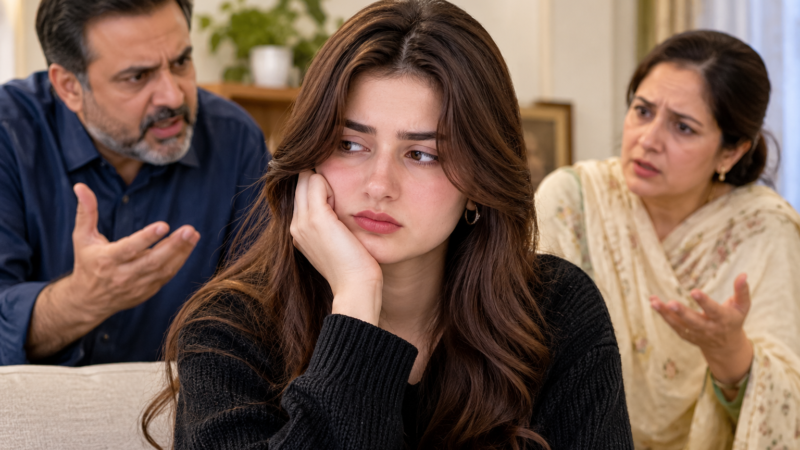
My Husband Admitted He Was Disappointed In How Long It Was Taking Me To Feel Like Myself Again

I never imagined that the person I expected to support me through one of the most difficult periods of my life would eventually become the person making me feel guilty for struggling. I’m a 27-year-old woman, and my husband is 32. Before everything happened, I genuinely believed we had a loving marriage. We had our disagreements like any other couple, but I always felt that we understood each other and could depend on one another when life became difficult. I never expected that my recovery would become a source of tension between us. I knew things would take time, and I was trying my best to get back to my normal routine, but apparently, my husband expected everything to happen much faster.
At first, I didn’t notice how frustrated he was becoming. He would occasionally make comments about how things used to be easier before, or how he missed the version of me who had more energy and could do everything without needing extra time. Sometimes he said these things jokingly, and I tried not to take them personally. I understood that changes in our daily routine could be difficult for him too, but I was already dealing with enough physical and emotional exhaustion. I didn’t need someone constantly reminding me that I wasn’t the same person I had been before. I needed patience, encouragement, and a little understanding.
As the weeks passed, I started noticing that he was becoming increasingly impatient with me. Whenever I mentioned feeling tired or needing to rest, he seemed disappointed. If I couldn’t complete something around the house, he would sometimes ask why it was taking me so long to get back into my usual routine. I tried explaining that recovery wasn’t something I could control completely, but he didn’t seem interested in understanding that. I started feeling uncomfortable talking about my struggles because I knew his reaction might make me feel even worse. Instead of asking for help, I began keeping many things to myself.
One evening, we were sitting together when he finally admitted something that completely hurt me. He told me that he was disappointed with how long it was taking me to feel like myself again. He said he had expected things to return to normal much sooner and that he was struggling with how different our relationship and daily life had become. I honestly didn’t know what to say at first. I had been trying so hard to recover, and hearing that my own husband was disappointed in me made me feel like all my efforts meant nothing. I asked him whether he actually understood how difficult this period had been for me, but he responded that he was simply being honest about his feelings.
I tried to explain that I wasn’t choosing to struggle or deliberately making things difficult for him. I wanted to feel normal again just as much as he wanted me to. I missed having energy, enjoying my usual activities, and feeling comfortable in my own body and routine. There were days when I felt frustrated with myself because I couldn’t do everything I wanted to do. However, I was learning to accept that healing takes time. I told him that his comments were making me feel like I was failing as a wife simply because I wasn’t recovering according to his preferred schedule. I needed him to understand that I couldn’t just force myself to feel better to make his life more convenient.
What hurt me even more was realizing that he seemed more concerned about how my recovery affected him than what I was actually experiencing. He talked about missing our old routine, the things we used to do together, and how much responsibility he had taken on recently. I didn’t deny that things had changed for him too. I understood that he might feel overwhelmed or miss certain parts of our relationship. But there is a difference between expressing frustration and making your partner feel guilty for something beyond their control. I wanted us to work through this together, not turn my difficult situation into a competition over who was having a harder time.
After that conversation, I started questioning whether I had been expecting too much from him. Was it unreasonable to want my husband to be patient? Was I supposed to push myself harder just to prove that I was making progress? I even caught myself apologizing for things that weren’t really my fault. Whenever I needed extra rest or couldn’t manage something, I felt guilty before he even said anything. I hated that feeling because I had never wanted our marriage to become a place where I felt I had to earn kindness by being productive. I wanted to feel loved even when I wasn’t at my best.
A few days later, I decided to have another serious conversation with him. I told him that I understood his life had changed too, and I wasn’t ignoring the additional responsibilities he had taken on. However, I also explained that I couldn’t promise him an exact date when everything would return to normal. My recovery needed to happen at a pace that was healthy for me, not according to an unrealistic deadline. I asked him to tell me what was genuinely bothering him so we could find practical ways to manage things together. I also made it clear that I wouldn’t accept being made to feel guilty every time I struggled. I wanted a supportive husband, not someone who treated my recovery like an inconvenience.
Now I’m trying to figure out what comes next for our relationship. I still love my husband, and I don’t want one difficult period to destroy everything we’ve built together. At the same time, I don’t think love means accepting constant disappointment or pretending that hurtful comments don’t affect me. I want him to understand that I’m still the same person he married, even if my current circumstances have changed what I can do right now. I don’t know whether he will eventually recognize how much pressure he has been putting on me, but I know I cannot rush my healing just to satisfy someone else’s expectations. Am I wrong for expecting my husband to be more understanding, or should I be doing more to help him adjust to the changes in our lives?
Read Story…
Found out my husband (32M) is upset that I (27F) haven’t bounced back “as fast” as he wants. What am I supposed to do?
Like the title implies, I had a baby some 5 months ago and it’s been a struggle to get back to my pre-baby body. I still have all my baby weight and I’ve been struggling with my diet and habits which I have been told time and time again by my family is fine. Now my husband’s family is different, he’s the youngest of 8 and somehow his mom is like a size zero. All his sisters have also bounced back at the speed of light despite having multiple children. I was never skinny before having my baby.
I’m 5’11 and obviously to all his 5’2 120lb sisters and mom I’m a giant in comparison. He’s an amazing father and husband but he definitely is very worried about people’s opinions of him which I thought we had worked through.
We never hide anything from each other and give each other free rein of all our electronics and messages but in the last couple of weeks he’s been very protective over his phone. Snatching it when I’m near or turning away from me. Being a new mom and still going through all the hormone issues I thought he was cheating on me and I did not react well AT ALL. Had a major BF in the living room until he gave me his phone.
Thankfully, no cheating. Just dozens of texts between him and his mom where he shared concerns about how I hadn’t bounced back yet. His mom giving him weight loss articles for new mothers and giving him diet ideas.
Asking him if I would wanna join her in Pilates or go to the gym anytime soon. She even brought up GLP1s of all things. Saying things like we should’ve had kids younger because I’m a bit too old to be having children. She said she could watch the baby while I “got it together.”
He was worried about the upcoming family trip to Costa Rica and asked her if I’d be “back to normal” by then. Im already huge compared to his family, I would look even bigger. I’m gonna be honest, I think I would’ve preferred being cheated on.
Reading those messages felt like a new stab in the gut and knowing he found me “sweaty” and “always clammy” and generally unattractive. He’s been saying he doesn’t understand why his mom and sisters were back to normal in a few weeks and WE (yes WE) were struggling to get back to how we were. As far as I know he hasn’t gained a single pound and continued going to the gym religiously like always.
I genuinely don’t know what to do. Seriously, I feel like my whole life is in shambles. It might be the hormones and the lack of sleep but I’m considering packing my things and going to my family. I don’t want to leave him but knowing he doesn’t find me attractive and actively asking his mom for advice on MY BODY was not something I needed. He’s an amazing father. Never complains about the nighttime feedings or the blowouts or the mess.
I just don’t know if I’ll ever be able to get over this. I need to know if I’m overreacting. Asking on here because if I tell my family they’ll just blow up and show up at my door and chew him out.
His family has never treated me badly. As far as I knew they loved me like one of their own but now I’m just scared they’re all talking about me when I’m not around. I haven’t been able to go to lunches with his sisters or parents because I don’t think I’d be able to look them in the eye. Any advice would be helpful, thank you.
Update: I’ve been reading the comments everyone’s left and I wanna update you all. I spoke to him and let him know that I will be leaving the house to be with my family until he gets his life together. Whether that be in the form of therapy or self-reflection. You’ve all made me realize what a bird brain I sound like.
Yes he’s a good father but that’s really the bare minimum and what does it matter if he’s a shitty partner. I was just too upset thinking how it would affect our baby who tbh probably doesn’t even realize shes conscious yet. I told him he can speak to his mother about anything he’d like but let him know that I won’t be speaking to her until she personally apologizes for everything she’s said about me. Leaving today for my parents house which is about a 40 minute drive from where we live and he’s allowed to visit whenever he wants.
My mom is excited and she’s telling me about all the delicious food she’s going to make me and told me I’ve been too skinny for her liking (we’re Mexican so I’m always too skinny lol) Honestly I’m excited to spend time with my family and be in a judgement free zone.
Thank you all for opening up my mind and letting me know I’m not crazy. Especially since I thought it was just pregnancy hormones.
Motherhood Became An Unexpected Test Of My Marriage When My Husband Started Getting Frustrated With My Postpartum Recovery
I never imagined that becoming a mother would also become one of the biggest tests of my marriage. I’m a 27-year-old woman, and my husband is 32. We welcomed our first baby five months ago, and although becoming a mother has been one of the most beautiful experiences of my life, the recovery process has been much harder than I expected. I love my child more than anything, but that doesn’t mean every part of motherhood has been easy. My body has changed, my sleep schedule is completely different, and most days I feel like I’m still trying to figure out how to balance everything. I expected my husband to understand that this was a major life change for both of us, but recently I discovered that he has been disappointed with how long it is taking me to feel like myself again.
Before getting pregnant, I was never particularly skinny. I’m 5’11, and I’ve always had a naturally bigger frame. I was comfortable with my appearance, even though I occasionally had insecurities like everyone else. Pregnancy changed my body even more, and five months after giving birth, I still have most of the baby weight. I’ve tried making small changes to my eating habits, but between taking care of the baby, dealing with exhaustion, and adjusting to my new responsibilities, maintaining a strict routine has been difficult. My family constantly reminds me that my body has been through a lot and that I shouldn’t pressure myself to lose weight immediately.
My husband’s family, however, has always had a completely different relationship with weight and appearance. He is the youngest of eight children, and his mother is incredibly petite despite having eight children. Most of his sisters are also naturally slim, and several of them have had multiple children without gaining much noticeable weight afterward. According to the stories I’ve heard, they all returned to their pre-pregnancy bodies surprisingly quickly. Nobody seems to consider that everyone’s body is different or that pregnancy and recovery can affect women in completely different ways.
Whenever we visit his family, I sometimes feel like the odd one out. His mother and sisters are around 5’2 and approximately 120 pounds, while I’m considerably taller and naturally broader. Even before pregnancy, there was a noticeable physical difference between us. I never really cared about that because I understood that genetics and body types are different. However, after having my baby, I started becoming more conscious of those differences, especially when conversations about pregnancy weight and getting back into shape came up.
At first, my husband never directly criticized my appearance. He was actually very supportive during pregnancy and seemed genuinely excited about becoming a father. He attended appointments whenever possible, helped prepare the baby’s room, and talked constantly about how much our lives would change. During those months, I believed we were approaching parenthood as a team. I knew there would be difficult days, but I trusted that we would support each other through them. I never expected my postpartum body to become something that would create tension between us.
After the baby arrived, my husband was an amazing father. He helped with nighttime responsibilities, changed diapers, held the baby whenever I needed a break, and made sure I had opportunities to rest. I genuinely appreciate everything he has done. I don’t want to make him sound like someone who has never contributed to our family because that isn’t true. He loves our child and has been involved from the beginning. That is partly why his recent comments have been so confusing and painful for me.
The first few months were especially challenging because I was recovering while learning how to care for a newborn. Some days were exhausting before lunchtime even arrived. I would wake up feeling tired, spend most of the day looking after the baby, and finally get a few moments to myself when everyone else was sleeping. Finding time to exercise or prepare elaborate healthy meals wasn’t always realistic. I knew I wanted to become healthier, but I also knew that my priorities had changed dramatically since giving birth.
My husband initially seemed to understand this. Whenever I complained about feeling uncomfortable in my clothes or missing my old routine, he would tell me not to worry about it. He said I had just given birth and that I needed time. Those conversations made me feel reassured, and I believed he genuinely meant what he said. I never thought he was secretly keeping track of how long my recovery was taking or comparing my progress with the women in his family.
Things started changing when we attended a family gathering a few weeks ago. His mother and sisters were discussing their pregnancies and how quickly they had lost their baby weight. One sister mentioned that she had started wearing her old jeans only a few weeks after giving birth. Another talked about how she had managed to return to exercising almost immediately. I sat there listening while holding my baby, feeling increasingly uncomfortable because I knew my experience had been very different.
Nobody directly insulted me during that gathering, but some comments made me feel self-conscious. His mother mentioned that staying active was important after having children and talked about how she had always watched what she ate. One of his sisters joked that she couldn’t imagine still wearing maternity clothes five months after giving birth. Everyone laughed, and I tried to smile along, even though the comment bothered me more than I wanted to admit.
On our way home, I asked my husband whether he thought his family was making indirect comments about my weight. He immediately said I was probably overthinking things. He told me that his sisters were simply sharing their experiences and that nobody had intended to hurt my feelings. I wanted to believe him, so I dropped the subject. However, I couldn’t stop thinking about that conversation, especially because I had already been feeling insecure about my body.
Over the following weeks, I noticed my husband making occasional comments about my habits. He would suggest going for walks, ask whether I had considered returning to the gym, or mention that eating healthier might help me feel better. Some of those suggestions were reasonable, and I understood that he might have been trying to encourage me. However, the timing and frequency started making me feel as though my appearance had become a problem that needed to be fixed.
One evening, I was getting ready to go out with him and our baby when I tried on several outfits. Most of my pre-pregnancy clothes still didn’t fit comfortably, so I eventually chose something loose that made me feel reasonably confident. My husband looked at me and suggested that I might feel better if I started working on losing some weight. He didn’t say it aggressively, but his comment immediately ruined my mood. I reminded him that I had given birth only five months earlier and was still adjusting to everything.
He responded that he knew, but he also thought I should start making an effort instead of allowing my habits to become permanent. I was shocked because I had never said I didn’t care about my health. I had simply been struggling to find a routine that worked with motherhood. I told him that I wanted to feel healthier too, but I didn’t appreciate being treated as though I was lazy or unwilling to improve myself.
The conversation ended without a major argument, but I started noticing more things afterward. Sometimes he would mention how quickly his sisters had recovered after pregnancy. Other times, he would talk about his mother’s appearance and how impressive it was that she had maintained her figure after having so many children. He never explicitly said I should look like them, but the comparisons were becoming difficult to ignore. I started wondering whether he had always preferred women with smaller bodies and whether pregnancy had changed how he saw me.
A few days later, I finally asked him directly whether he was unhappy with my appearance. He looked surprised and initially denied it. He said he loved me and that I was still attractive to him. I asked why he kept bringing up weight loss and comparing my recovery with his family’s experiences. He became quiet for a moment before admitting that he had expected me to bounce back faster. Hearing those words from my husband hurt more than I can explain.
He explained that his mother and sisters had all managed to return to their previous figures relatively quickly, so he had assumed my experience would be similar. He said he understood that pregnancy was difficult, but he hadn’t expected me to still be struggling with my weight and routine five months later. He also admitted that he missed how things were before the baby arrived and wanted us to return to our previous lifestyle. I felt like I was listening to someone who had completely forgotten what my body and mind had been through.
I reminded him that I was never built like his mother or sisters, even before pregnancy. I’m significantly taller, have a different body structure, and have always carried weight differently. Comparing me with women who have completely different genetics makes no sense. I also explained that having multiple children doesn’t automatically mean someone will experience the same pregnancy or recovery process every time. Just because his relatives had a particular experience doesn’t mean I should be expected to follow the same timeline.
What upset me most was that he seemed to believe five months was enough time for everything to return to normal. He didn’t appear to understand that childbirth is not something a woman simply gets over because a certain number of weeks or months have passed. My body had gone through significant changes, and I was still adjusting physically and emotionally. I wanted to feel strong and comfortable again, but I couldn’t simply force my body to recover faster because someone else was becoming impatient.
I also explained that my daily responsibilities had changed completely. Before having our baby, I could plan my meals, exercise whenever I wanted, sleep through the night, and spend time doing things for myself. Now, almost every decision involved considering the baby’s needs. Even when my husband helped, I was still recovering from childbirth and adapting to motherhood. I didn’t think it was fair to expect me to maintain exactly the same lifestyle I had before becoming a parent.
He responded that he wasn’t asking me to become skinny overnight. According to him, he simply wanted to see that I was making an effort. I asked him what exactly he considered an effort because I was already trying to take better care of myself whenever I could. I told him that I didn’t want to spend the next several months feeling judged every time I ate something or rested instead of exercising. I wanted encouragement, not constant reminders that my body wasn’t meeting his expectations.
He then said something that made the entire situation even more uncomfortable. He admitted that seeing his sisters looking almost exactly the same after having children had influenced his expectations. He said he hadn’t realized how different my recovery might be because he had grown up watching the women in his family handle pregnancy and motherhood in a particular way. I understood that he might have had unrealistic assumptions, but I couldn’t understand why he hadn’t questioned those assumptions before making me feel inadequate.
I asked him whether he would feel comfortable if I constantly compared his body, appearance, or abilities with other men in my family. Would he enjoy hearing that my relatives looked better, recovered faster, or managed their responsibilities more efficiently? He said that wasn’t the same thing, but I told him it was exactly the same principle. Nobody wants to feel as though they are being measured against someone else’s body or personal circumstances. Marriage should involve accepting each other through changes, not turning those changes into competitions.
After that conversation, I decided to stop discussing my weight with him for a while. I didn’t want every meal, outfit, or exercise decision to become another opportunity for criticism. I started focusing on what made me feel comfortable and healthy rather than trying to meet an imaginary deadline. I also reminded myself that I deserved to enjoy motherhood without constantly worrying about whether my body looked acceptable to someone else. I could work toward my personal health goals without treating my postpartum body as something shameful.
My family has been supportive throughout this situation. My mother keeps reminding me that I have accomplished something incredible by bringing a child into the world and that I shouldn’t compare my recovery with anyone else’s. She has also encouraged me to take things slowly and speak with a healthcare professional if I have concerns about my physical recovery. I appreciate having people around me who understand that becoming a mother involves much more than simply losing pregnancy weight.
I still love my husband, and I recognize that he has many wonderful qualities. He is attentive to our baby, helps around the house, and has been present throughout this new chapter of our lives. I don’t want to ignore those positive things simply because we are experiencing a disagreement. However, being a good father doesn’t automatically mean he understands everything I’m experiencing as a mother. I need him to recognize that his words have consequences, especially when they come from the person whose support matters most to me.
Recently, he has become noticeably quieter whenever the subject of my appearance comes up. I think he realizes that his comments hurt me, although he hasn’t fully apologized for comparing me with his relatives. Sometimes he still suggests that we start exercising together or make healthier meals, and I don’t necessarily object to those ideas. I would actually enjoy having a routine that helps both of us feel better. The problem is that I don’t want those activities to become another way of measuring whether I am finally returning to the body he wants.
I’ve also started thinking about what I want for myself rather than what everyone else expects. I want to regain my energy, feel comfortable in my clothes, and develop healthy habits that fit my new lifestyle. If I lose some weight along the way, that’s fine, but I don’t want my happiness or confidence to depend on reaching a particular number. I also know that recovery can look different for every woman, and there is nothing wrong with taking the time my body needs.
The hardest part is realizing that I may have to explain something that should have been obvious from the beginning: I am still the same woman he married, even though my body has changed after pregnancy. I haven’t become less deserving of affection, respect, or attraction simply because I haven’t returned to my previous weight. I gave birth to our child, and I expected that experience to bring us closer as a couple. Instead, I sometimes feel as though I’m being evaluated against the women he grew up around.
I recently told him that I needed him to stop comparing my recovery with his mother’s and sisters’ experiences. I explained that if he genuinely wanted to support me, he could help create an environment where I had enough time to rest, eat properly, and gradually return to activities I enjoyed. I also told him that I needed him to appreciate the person standing in front of him instead of constantly thinking about how I looked before pregnancy. He listened without interrupting, which was more than I expected, but I still don’t know whether he completely understands.
Now I’m left wondering whether my expectations are unreasonable. I understand that becoming parents changes both partners’ lives, and I don’t expect my husband to pretend that everything is exactly the same as before. I also don’t think it’s wrong for either of us to want to feel healthy and confident. But I cannot accept the idea that I should be disappointed in myself simply because I haven’t bounced back as quickly as the women in his family. Am I wrong for feeling hurt by his admission, or should I be more understanding of the fact that he had different expectations about postpartum recovery?