She Refers To Herself As A Lone Twin, But Her Family Thinks The Description Is Insensitive
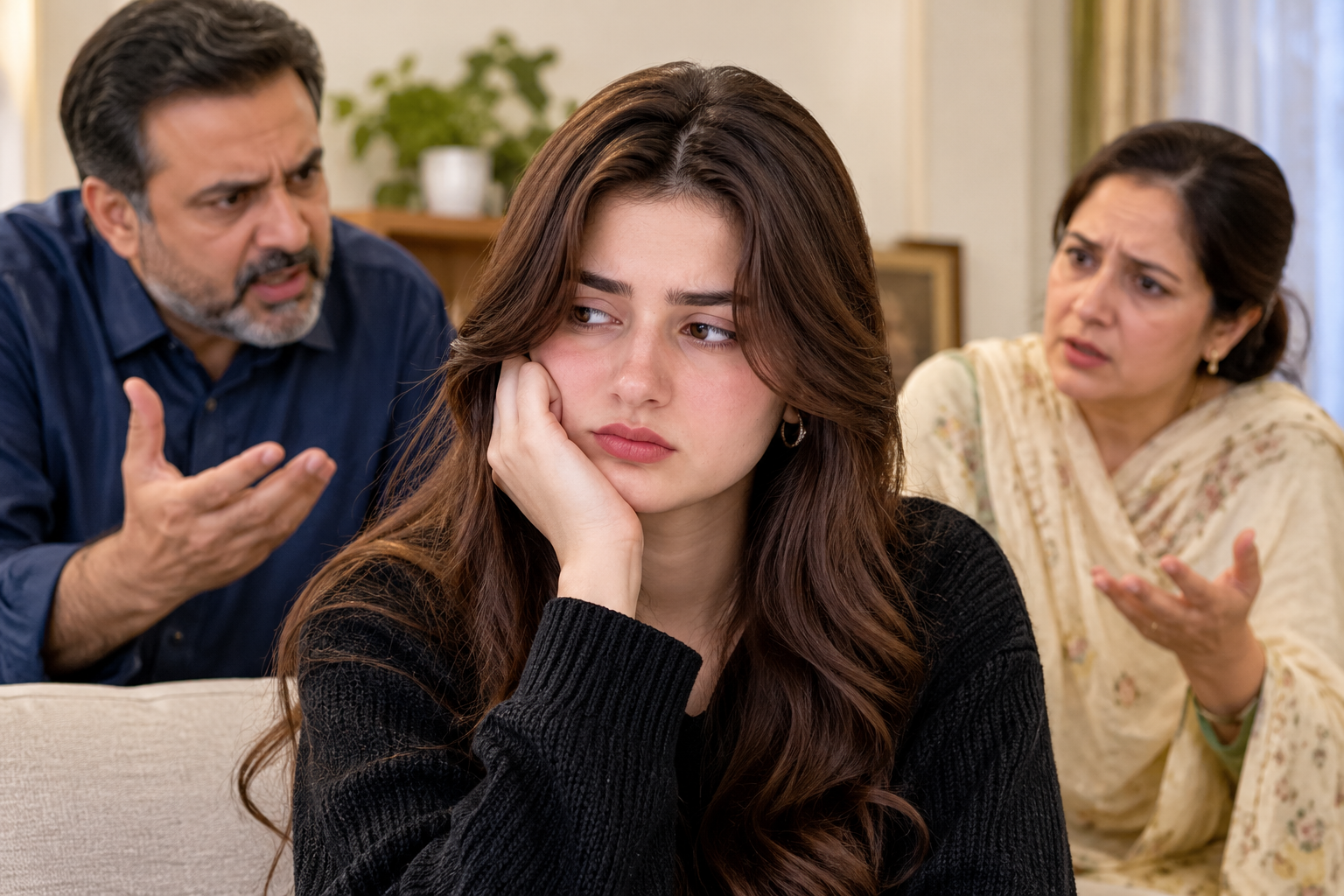
I never imagined that something as personal as describing my own identity would turn into such a heated disagreement with my family. I’m a woman who was born as one half of a set of twins, and for most of my life, being a twin has been an important part of how I understand myself. However, my experience of being a twin has never been quite the same as what people usually imagine. While most twins grow up sharing childhood memories, celebrating birthdays together, and experiencing life side by side, my situation is different. I have spent much of my life without my twin sibling, which has shaped my relationship with the word twin in ways that other people might not fully understand.
Growing up, I often noticed how fascinated people were whenever they discovered I was a twin. They would immediately ask whether we looked alike, whether we had the same personality, and whether we could communicate without speaking. Some people even assumed that twins automatically shared an incredibly close relationship. I usually answered their questions politely, but explaining my actual circumstances was never easy. There was always a moment when I had to clarify that my experience wasn’t like the typical twin stories people expected to hear. Sometimes their reactions were awkward, while other times they became overly curious and asked questions that felt too personal.
As I got older, I began thinking more deeply about what being a twin actually meant to me. I realized that being a twin wasn’t simply about having someone physically present beside me every day. It was also part of my personal history, something connected to my birth and the beginning of my life. Even though I didn’t have the traditional twin experience, that didn’t mean the connection or the identity had suddenly disappeared. I still considered myself a twin because that was how I entered the world. I didn’t believe that my circumstances changed the basic fact of who I was.
Eventually, I came across the expression “lone twin,” and it immediately felt like a reasonable way to describe my experience. To me, the phrase simply explained that I was born a twin but was now living without my twin sibling. It wasn’t something I used to attract sympathy or make other people uncomfortable. I wasn’t trying to claim a special status or suggest that my experience was more important than anyone else’s. I simply wanted a short and understandable way to explain something that otherwise required a much longer conversation. Whenever someone asked about my twin experience, the expression helped communicate my situation without going into every personal detail.
The problem started when I casually used the phrase during a family conversation. We were discussing childhood memories and family relationships when someone asked whether I still considered myself a twin. I answered that I did and explained that I sometimes described myself as a lone twin. I didn’t think much about it at first because I had used the expression before without experiencing any serious reaction. However, one of my family members immediately questioned my choice of words. They said that describing myself that way sounded insensitive and suggested that I should be more careful about how I talked about being a twin.
At first, I honestly didn’t understand why the phrase was causing such a strong reaction. I asked what exactly was offensive about it, but instead of receiving a clear explanation, I was told that the wording could make other people uncomfortable. My family member argued that the word twin should be used carefully because it involved another person and a relationship that shouldn’t be reduced to a label. I explained that I wasn’t disrespecting anyone or making fun of the situation. I was describing my own experience, and I didn’t understand why other people should have complete control over the words I used to explain my identity.
The conversation became even more uncomfortable when other relatives joined in. Some agreed that I should choose a different expression, while others thought I was making an unnecessary issue out of something relatively small. One person suggested that I should simply say I was born a twin instead of calling myself a lone twin. Although that suggestion sounded reasonable, I felt like they were missing the point. The phrase wasn’t something I had invented to upset anyone. It was a description that made sense to me, and I didn’t see why changing it should be necessary just because someone else disliked how it sounded. I also didn’t appreciate being told that my own way of describing my life was somehow disrespectful.
What bothered me most was that my family seemed more concerned about the phrase itself than about understanding why I used it. I wasn’t asking anyone to agree with every personal choice I made, and I certainly wasn’t demanding that everyone use the same terminology. I simply wanted the freedom to describe my own circumstances without being treated as though I had said something cruel. At the same time, I understand that certain words can carry different meanings for different people, especially when family relationships and emotional experiences are involved. I don’t want to dismiss anyone else’s feelings, but I also don’t think my feelings should automatically come second.
Since that conversation, I’ve started questioning whether I should continue using the expression or find another way to explain my situation. Part of me feels that changing the wording would be an easy way to avoid unnecessary arguments, but another part of me believes that I shouldn’t have to abandon a description that feels accurate simply to make everyone else comfortable. I know that people may interpret the phrase differently, and I am willing to listen if someone explains their concerns respectfully. However, I don’t believe that being born a twin comes with an obligation to describe my life in a way that satisfies everyone around me. Now I’m wondering whether I’m being unreasonable by continuing to call myself a lone twin, or whether my family is making something deeply personal into a problem that never needed to exist.
Read Story…
AITA for referring to myself as a lone twin?
I am a 17-year-old girl, and for most of my life, I have had a complicated relationship with the word twin. I was born alongside my twin sister, Maggie, but unfortunately, she passed away from a serious brain illness just one week after we were born.
Because we were so young, I never had the opportunity to know her, hear her voice, play with her, or create childhood memories together. I don’t remember anything about those first few days of my life, but that doesn’t mean she wasn’t there. She was my twin sister, and no matter how short her life was, I have always felt that she deserves to be remembered.
My sister’s illness was something my family had to face while I was also dealing with medical problems of my own. Thankfully, there was a medical procedure available that could treat my condition, and I was able to receive the treatment I needed. Unfortunately, the same could not be done for Maggie. Her brain illness was much more serious, and the doctors were unable to save her. I have sometimes wondered what life would have been like if both of us had survived. Would we have looked alike? Would we have shared the same interests? Would we have been the kind of twins who finished each other’s sentences and understood each other without needing to explain anything? Those are questions I will never have answers to.
Even though I never personally knew Maggie, I have always imagined what kind of person she might have become. I like to believe she would have been bright, kind, funny, and loving. Those are qualities I see in my older sister and myself, and I sometimes wonder whether Maggie would have shared them too. Perhaps she would have been completely different from us, with her own personality, interests, and dreams. Maybe she would have been the outgoing one, while I preferred quieter activities. Or perhaps we would have been inseparable and spent hours talking about everything happening in our lives. Thinking about these possibilities makes me both happy and sad because I know I will never get the chance to discover what our relationship could have been.
I also have an older sister, and I love having her in my life. She has been part of my childhood and has given me the experience of growing up with a sibling. However, having an older sister doesn’t change the fact that I was born with a twin. Sometimes people assume that because Maggie passed away so early, I shouldn’t consider myself a twin at all.
They seem to believe that being a twin requires memories, shared experiences, and a relationship that develops over many years. I understand why someone might think that, but I don’t believe those things determine whether someone was born a twin. Maggie existed, even if our time together was incredibly short.
For a long time, I wasn’t entirely sure how I should describe myself. I had heard expressions such as twinless twin and lone twin, but I wasn’t sure whether either one truly applied to my situation. Part of me felt that those descriptions were meant for people who had spent years growing up with their twin before losing them.
I sometimes questioned whether I had the right to use the same words when Maggie died only a week after our birth. I had never experienced the loss of a childhood companion because I never had the opportunity to build that kind of relationship with her. Still, I had lost someone who was supposed to be part of my life, and that thought has always stayed with me.
As I grew older, I started realizing that not talking about Maggie made me uncomfortable. Whenever conversations about siblings came up, I would usually mention my older sister and leave it at that. It was easier than explaining something that most people didn’t immediately understand. However, eventually, I began feeling as though leaving Maggie out of those conversations made it seem like she had never existed. I didn’t want her entire life to become a forgotten detail simply because she wasn’t here long enough for anyone to make memories with her. She was born, she was part of our family, and she deserves to have her place in our story acknowledged.
That’s when I decided that I would be more open about having a twin sister. I didn’t want to constantly bring up something emotional or make every conversation about Maggie, but I also didn’t want to pretend she wasn’t part of my life. I started referring to myself as a lone twin because it seemed like the simplest way to explain my situation. I was born with a twin sister,
but I grew up without her. I wasn’t using the expression to get attention or compare my experience with anyone else’s. It was simply a way of acknowledging something that has always been part of my identity.
Recently, I was spending time with my friends during a free period at school when the conversation naturally turned toward siblings. Everyone was talking about their brothers and sisters, sharing funny childhood memories, and joking about the usual arguments that happen between siblings. When it was my turn, I mentioned that I had an older sister. I also casually explained that I was a lone twin because my twin sister had passed away shortly after we were born. I didn’t expect the conversation to become emotional, and I certainly wasn’t looking for anyone to feel sorry for me. I was simply being honest about my family.
One of my friends already knew about Maggie, so I assumed she understood what I meant. However, instead of responding normally, she immediately told me that calling myself a lone twin was disrespectful.
I was confused and asked her why she thought that.
She explained that I had never actually known Maggie, so I couldn’t describe myself in the same way as someone who had spent years with their twin before losing them. According to her, people who had actually lost their twins had experienced something much more significant, and using the same label when I never remembered my sister was somehow taking away from their experiences.
Her words genuinely shocked me. I wasn’t expecting someone I considered a friend to question something so personal. I tried to explain that I wasn’t claiming to have the same experiences as someone who had lost a twin after growing up together. I knew there was a difference between losing someone you had spent years loving and missing someone you never had the opportunity to know. However, that difference didn’t mean Maggie wasn’t my twin. I wasn’t trying to compete with anyone’s grief or suggest that my situation was worse than theirs. I simply wanted to acknowledge that I had a sister who died shortly after we were born.
Unfortunately, my friend continued insisting that I shouldn’t use the expression because I hadn’t actually experienced having a twin. She said that I didn’t know what it felt like to lose someone I had grown up with, so I shouldn’t use a label that could make other people uncomfortable.
At that point, I became overwhelmed. I had spent years quietly thinking about Maggie, wondering what she would have been like, and trying to find a way to acknowledge her without making things awkward. Hearing someone tell me that I had no right to describe myself as a twin felt incredibly hurtful. I started crying, even though I really didn’t want to show how much her comments had affected me.
I eventually excused myself and went to the bathroom because I couldn’t continue sitting there pretending everything was fine. I spent the rest of the free period alone, trying to calm myself down. I kept thinking about what she had said and wondering whether I had been wrong to use that expression. Maybe I should simply say that I was born with a twin sister who passed away as a newborn. That would certainly explain the situation more clearly, but I also felt frustrated that I had to defend something that was already difficult for me to talk about. I wasn’t asking anyone to understand every emotion I had about Maggie. I just wanted my sister to be acknowledged.
What makes the situation even more confusing is that my friend isn’t a twin herself. She has two sisters, but neither of them is her twin. I wouldn’t normally think that someone needs to have the exact same experience to express an opinion, but I found it strange that she felt so confident telling me which label I was allowed to use. She hasn’t experienced growing up knowing that she had a twin sister who died shortly after birth, and I don’t think she understands how complicated that can feel. At the same time, I don’t want to dismiss her completely if she genuinely believes the expression could hurt someone else. I just wish she had approached the conversation with more kindness instead of making me feel as though my connection to Maggie wasn’t valid.
After everything happened, I started wondering whether there is a difference between being a twinless twin and being someone who was born with a twin who passed away before they could develop memories together. I understand that people experience grief differently, and I would never want to disrespect someone who lost their twin after sharing years of their life together. Their experiences are unique, and I don’t believe anyone should compare them. But I also don’t think there is only one acceptable way to describe the experience of losing a twin. Maggie was my sister, and her short life doesn’t erase the fact that we were born together.
I’ve also realized that remembering Maggie doesn’t necessarily mean I have to spend every day feeling sad about what happened. Sometimes I simply wonder what she would be doing at 17, whether she would enjoy the same music as me, what her personality would be like, or whether we would have the same sense of humor. Other times, I think about how different my childhood might have been if she had survived. These thoughts don’t mean I am unable to appreciate the family and relationships I have now. I can love my older sister, enjoy my friendships, and still wish I had gotten the opportunity to know Maggie.
I have received some really kind responses from people after sharing my experience, and many have reminded me that I don’t need anyone’s permission to acknowledge my own sister. That has helped me feel less alone in this situation. I never intended to make anyone uncomfortable, and I certainly wasn’t trying to claim an experience that wasn’t mine. I simply wanted to use a phrase that reflected an important part of my life. Now I am left wondering whether I should continue referring to myself as a lone twin or choose a different description that makes my circumstances clearer. Am I wrong for using that label even though Maggie passed away when we were only a week old, or was my friend unnecessarily cruel for suggesting that I have no right to call myself a twin?
Growing Up Without My Twin Sister, Maggie, Made Me Question What It Really Means To Be A Lone Twin
I never imagined that something as simple as describing myself as a twin would eventually become a painful disagreement with people around me. I am a 17-year-old girl, and although I have an older sister who is very much part of my everyday life, there is another sibling I have always carried in my heart. Her name was Maggie, and she was my twin sister. Unfortunately, she passed away just one week after we were born because of a serious brain illness. I was too young to understand what had happened, and I have no memories of holding her, talking to her, or spending time with her. However, the fact that I never got to know her doesn’t change the fact that we were born together. She was my sister, and she will always be part of my story.
When Maggie and I were born, we both had medical problems that required attention. My condition was serious, but thankfully, there was a surgical procedure available that could help me recover. My parents were able to get me the medical treatment I needed, and I survived. Unfortunately, Maggie’s condition was different. She had a brain illness that doctors couldn’t successfully treat, and despite everything, she passed away when she was only a week old. I have sometimes wondered what those first few days were like for my parents. They must have experienced so many emotions, going from welcoming two babies into the world to having to say goodbye to one of them almost immediately.
Growing up, I obviously didn’t understand the significance of what had happened. I was simply a child living my life, going to school, playing, and spending time with my family. My parents never expected me to remember Maggie because I was only a newborn when she died. However, as I became older, I started understanding that I had a twin sister who wasn’t there. It was a strange feeling because I knew she existed, but I couldn’t remember anything about her. I had no childhood photographs of us playing together, no funny stories about things we had done, and no memories that I could personally share with other people.
I have an older sister, and I love her very much. Having her around meant that I never grew up completely alone, and I have always appreciated the relationship we share. We have our own memories, arguments, jokes, and experiences that have helped shape my childhood. However, having an older sister doesn’t erase the fact that I was also born with a twin. Sometimes people assume that because I already have another sibling, I shouldn’t feel any particular connection to Maggie. I don’t think those things are mutually exclusive. I can be grateful for the sister I have while still wishing I had gotten the chance to know the sister I lost.
As I grew older, I started becoming curious about what Maggie might have been like if she had survived. I sometimes imagine whether she would have looked like me or whether we would have had completely different appearances. I wonder if we would have shared the same interests, enjoyed the same music, or argued about completely ridiculous things. Maybe she would have been the more confident one, or perhaps I would have been the person encouraging her to try new things. These are questions I will never be able to answer, but they occasionally cross my mind when I think about her.
I also wonder what kind of personality she would have developed. I like imagining that she would have been bright, kind, funny, and loving. My older sister and I both have qualities that I admire, and sometimes I imagine Maggie having some of those same characteristics. Of course, I understand that I am imagining a person I never had the opportunity to know. She might have had completely different interests and opinions. Still, imagining those possibilities gives me a small sense of connection to the sister I never got to grow up with.
For years, I wasn’t completely comfortable talking about Maggie with other people. Whenever someone asked how many siblings I had, I usually mentioned my older sister and left it at that. Explaining that I had a twin who passed away shortly after birth often felt like opening a conversation that I wasn’t prepared to have. People sometimes became uncomfortable, while others immediately started asking questions about what happened. I never knew how much information I should share or whether I should simply change the subject. Eventually, it became easier to avoid mentioning Maggie altogether.
However, as I got older, I started feeling uncomfortable with the idea of never mentioning her. I realized that if I continued leaving her out of every conversation, it could eventually feel as though she had never existed. That thought bothered me more than I expected. Maggie may have lived for only one week, but she was still born, she was still part of our family, and she was still my twin sister. I didn’t want her entire existence to become something that was never acknowledged simply because nobody had enough memories of her to talk about.
I know some people might find it unusual to feel connected to someone they never personally knew. However, I don’t think every family relationship has to be based on years of shared experiences. Maggie’s place in my life is different from the relationship I have with my older sister, but that doesn’t make it meaningless. I know her through my family’s history, through the knowledge that we were born together, and through the thoughts I have about the life she might have lived. I don’t pretend that I remember her or that we shared childhood experiences. I simply acknowledge that she was there.
At some point, I came across the expression “lone twin.” I had previously heard people use terms such as twinless twin, but I wasn’t sure whether those descriptions accurately represented my situation. I sometimes wondered whether those labels were intended only for people who had grown up alongside their twin before losing them. My circumstances were different because Maggie passed away when we were only a week old. I never experienced the daily relationship that many twins share, but I also never experienced a childhood in which my twin was alive and then suddenly gone. My feelings about the situation have always been complicated.
Eventually, I decided that calling myself a lone twin was a reasonable way to describe my experience. To me, the expression simply meant that I was born as one half of a twin pair but grew up without my twin sister. It didn’t mean that I believed my experience was identical to someone else’s. It didn’t mean that I was trying to get sympathy or make my situation sound more tragic. It was simply a short description that helped explain something personal about my family. I felt comfortable using it because it acknowledged both the fact that I was born a twin and the reality that I grew up without Maggie.
My parents have always known how I feel about Maggie, although I don’t necessarily talk about her every day. I understand that losing a baby must have been an incredibly difficult experience for them, and I don’t want to assume that my feelings are exactly the same as theirs. They had the experience of welcoming two children and then losing one almost immediately. I only know the story through what I have been told and through the questions I have developed as I grew older. Still, I believe Maggie deserves to be remembered, and I don’t think acknowledging her existence should be something anyone feels uncomfortable about.
The disagreement happened recently when I was spending time with my friends at school. We were having a normal conversation during our free period, and somehow the subject of siblings came up. Everyone started talking about their brothers and sisters, sharing stories about childhood arguments, family holidays, and the funny things their siblings used to do. I mentioned that I had an older sister, and then I casually explained that I was also a lone twin because my twin sister had passed away shortly after we were born. I wasn’t trying to make the conversation serious. I was simply explaining my family situation.
One of my friends already knew about Maggie, so I assumed my comment wouldn’t surprise her. She had heard about my twin sister before, and I thought she understood why I sometimes mentioned her. However, instead of responding normally, she immediately told me that calling myself a lone twin was disrespectful. At first, I thought she might have misunderstood what I meant, so I asked her why she felt that way. I genuinely expected her to explain her opinion calmly, but her response made the situation much more uncomfortable.
She told me that I had never actually known Maggie, so I shouldn’t use a label that was associated with people who had experienced the loss of a twin. According to her, someone who had spent years growing up with their twin and then lost them had experienced something completely different from my situation. She argued that using the same description was disrespectful to those people because I didn’t have memories of my sister. I understood that there were differences between our experiences, but I couldn’t understand why that meant I wasn’t allowed to describe myself as a twin.
I tried explaining that I wasn’t comparing my situation to anyone else’s. I knew that losing a twin after years of growing up together could involve a completely different kind of grief. Those people had memories, shared experiences, and relationships that I never got the opportunity to have. I would never claim to understand exactly what they had gone through. However, that didn’t mean my sister wasn’t my twin. Maggie and I were born together, and her death one week later didn’t change that fact. I wasn’t trying to take anything away from anyone.
Unfortunately, my friend didn’t seem interested in understanding what I was trying to say. She continued insisting that I shouldn’t call myself a lone twin because I never experienced having a twin in the traditional sense. She also suggested that I should simply say I had a sister who died as a baby instead of using a term that might make other people uncomfortable. I felt like she was treating my relationship with Maggie as something that wasn’t legitimate just because I couldn’t remember her. It was especially upsetting because I had trusted her enough to share something personal about my family.
The more she spoke, the more emotional I became. I had never expected to have to defend Maggie’s place in my life during an ordinary conversation with friends. I wasn’t demanding that anyone feel sorry for me, and I wasn’t asking anyone to pretend that I had memories I didn’t have. I simply wanted to acknowledge that I had a twin sister. Hearing someone tell me that I had no right to use that description made me feel as though my connection to Maggie was being dismissed. Eventually, I couldn’t hold back my tears.
I tried to stay calm because I didn’t want everyone staring at me, but I started crying in front of the group. I felt embarrassed and overwhelmed, especially because the conversation had started so casually. I didn’t want to explain my emotions in front of everyone, so I quietly excused myself and went to the bathroom. I spent the rest of the free period there, trying to calm down and understand why the conversation had affected me so deeply. I kept thinking about Maggie and wondering whether I had done something wrong by mentioning her.
While sitting alone, I started questioning whether I should stop using the phrase altogether. Maybe my friend was right that the expression could mean something different to people who had lost a twin after growing up together. I didn’t want to hurt anyone or make another person’s grief feel less important. At the same time, I felt that changing the way I described myself just because someone disagreed with it would mean hiding another part of my family history. I was stuck between wanting to respect other people’s experiences and wanting to respect my own feelings.
What made the situation even more confusing was that my friend wasn’t a twin herself. She has two sisters, but neither of them is her twin. I understand that someone doesn’t necessarily need to experience something personally to have an opinion about it. However, I found it difficult to understand why she felt so certain that she could decide which words I was allowed to use about my own family. She had never experienced being born with a twin who passed away during the first week of life. I don’t expect her to understand every complicated feeling I have, but I did expect her to approach the subject with a little more sensitivity.
I also started thinking about whether my friend had misunderstood what the phrase meant to me. Perhaps she believed I was trying to suggest that my experience was exactly the same as someone who lost a twin after spending many years together. That was never my intention. I wasn’t claiming to have shared birthdays, school experiences, or childhood memories with Maggie. I wasn’t suggesting that I knew what her personality would have been like. I was simply saying that I was born a twin and that my twin sister was no longer alive. To me, that is what the expression describes.
After the incident, I wondered whether I should explain my feelings to my friend. Part of me wanted to tell her how hurtful her comments had been, while another part wanted to avoid another argument. I didn’t want this situation to turn into a bigger problem within our friendship group. However, I also didn’t want to pretend that nothing had happened. It was not just an argument about a word. It involved something deeply personal that I had spent years trying to understand myself. I felt that she should know why her comments had affected me so much.
I also considered whether I should use a different phrase when explaining my situation to people who don’t know my family history. Saying that I was born a twin but lost my sister shortly after birth is probably the clearest explanation. It gives people the information they need without requiring them to understand what I mean by lone twin. Still, I don’t think that means the original expression is automatically wrong. Different people may use different words to describe their experiences, and I don’t believe there is only one acceptable way to talk about being a twin.
One thing I have learned from this experience is that grief doesn’t always look the way people expect it to. I don’t cry about Maggie every day, and I don’t spend all my time imagining what life would have been like if she had survived. Sometimes I go weeks without thinking about the situation in any particularly emotional way. Then something small, such as a conversation about siblings or seeing a pair of twins together, reminds me of her. It doesn’t mean I am constantly unhappy with my life. It simply means there is someone missing from my family story.
I sometimes imagine what our seventeenth birthday would have looked like if Maggie had been here. Would we have celebrated together? Would we have had matching outfits or completely different styles? Would we have the same group of friends, or would we have developed separate social lives? Maybe we would have been incredibly close, or perhaps we would have argued about everything like many siblings do. I know these thoughts are based on imagination rather than memories, but they are still meaningful to me. They allow me to think about the sister I never had the opportunity to meet.
I have also realized that remembering Maggie doesn’t mean I am ignoring the people who are currently part of my life. I love my older sister, appreciate my parents, and value my friendships. I don’t expect anyone to constantly talk about Maggie or treat me differently because I was born a twin. I simply don’t want her existence to be treated as something I should keep hidden. She was alive, even if only briefly, and she was part of our family. I don’t think remembering her takes anything away from the people I have today.
After sharing my feelings with a few other people, I received some surprisingly kind responses. Several people told me that I wasn’t wrong for acknowledging Maggie and that I didn’t need permission from anyone to describe my own family history. Others explained that they understood why someone might distinguish between losing a twin after years together and losing one shortly after birth, but they didn’t think those differences made my feelings invalid. Reading those responses helped me realize that I wasn’t the only person who believed that a person’s connection to a sibling doesn’t depend entirely on how many memories they have together.
Some people also reminded me that I shouldn’t feel pressured to choose a label if I wasn’t completely comfortable with it. I could simply explain that I was born with a twin sister who passed away shortly after birth. That description is accurate and doesn’t require me to defend myself. I appreciated that suggestion because I don’t want every conversation about my siblings to become an emotional debate. However, I also don’t want to feel that I have to stop using the phrase lone twin simply because someone else believes it doesn’t apply to me.
I haven’t decided exactly how I will handle things with my friend yet. I would like to believe that she didn’t intend to hurt me, but I still think she should understand that people can experience loss in different ways. Just because I never knew Maggie doesn’t mean I have to pretend she wasn’t my sister. I can recognize that my experience is different from someone else’s without accepting the idea that my feelings are somehow less valid. I also think it is possible to respect people who lost their twins later in life while still acknowledging those who lost their twin siblings shortly after birth.
At the end of the day, I know that Maggie was my twin sister, even though I never had the opportunity to grow up with her. I don’t know whether the expression lone twin is the perfect description, and I am open to learning about other terms that might better explain my circumstances. But I don’t believe I should feel ashamed of mentioning her or remembering that she existed. I never intended to disrespect anyone, and I would never compare my experience to someone else’s grief. I simply want to acknowledge a sister who will always be part of my life story, even if I never got the chance to know her.
Now I am left wondering whether I was wrong for referring to myself as a lone twin in front of my friends. Should I stop using that expression because I never personally knew Maggie, or is it reasonable to describe myself that way because I was born with a twin sister who passed away shortly after birth? I understand that everyone has different opinions about words and labels, but I don’t think anyone should make another person feel guilty for remembering a sibling. Was my friend right to question the term, or was she unnecessarily insensitive about something she knew was deeply personal to me?