Guy Thinks He Can Still Live Full-Fledged Bachelor Life After Tying The Knot, Wife Replies No Way

Shortly after getting married, the couple began adjusting to the realities of sharing a home and building a life together. Like many newlyweds, they expected there would be compromises, new routines, and occasional disagreements. While the wife embraced those changes and looked forward to creating a partnership, her husband seemed determined to continue living exactly as he had before the wedding.
He continued making last-minute plans with friends, staying out late several nights a week, and spending entire weekends pursuing his own hobbies without discussing them in advance. Whenever his wife asked about his schedule, he brushed off her concerns by saying that marriage shouldn’t change who he was. From his perspective, he believed he should still enjoy the same freedom he had as a bachelor.
At first, the wife tried to be understanding. She encouraged him to spend time with friends and maintain his interests because she believed healthy relationships allow both partners to have independence. However, she also hoped they would make time for shared responsibilities, date nights, and meaningful conversations. As weeks passed, she realized those expectations were rarely being met.
The turning point came when the husband accepted another weekend trip with his friends without mentioning it until the night before he planned to leave. His wife had already made plans for the two of them, assuming they would finally spend quality time together after several busy weeks. Feeling disappointed and overlooked, she calmly explained that marriage requires communication and consideration, not just individual freedom.
Instead of understanding her concerns, the husband argued that she was trying to control him. He insisted that getting married didn’t mean giving up his social life or asking permission every time he wanted to make plans. The conversation quickly turned into a heated debate, with both of them realizing they had entered marriage with very different expectations.
The wife clarified that she wasn’t asking him to abandon his friendships or hobbies. Her frustration came from constantly being treated like an afterthought. She believed that discussing plans in advance and balancing personal time with time together was a basic sign of respect between partners.
As they reflected on their disagreements, the husband slowly began to recognize that marriage isn’t about losing independence but about sharing responsibilities and making decisions as a team. He realized that repeatedly acting as though he were still single had unintentionally left his wife feeling unimportant and excluded from major decisions.
The couple eventually agreed to establish healthier expectations. They decided to communicate their schedules more openly, plan regular time together, and respect each other’s need for personal space without neglecting the relationship. Both understood that compromise would strengthen their marriage far more than insisting on getting their own way.
By the end of the discussion, they realized that a successful marriage doesn’t require giving up individuality, but it does require balancing personal freedom with mutual respect, communication, and commitment. The experience reminded them that building a strong partnership means making room for both independence and shared priorities rather than expecting life to remain exactly the same after saying, “I do.”
Read Story…
My husband feels restricted because I feel boys trips are inappropriate.
My (28F) husband (30m) and I are having a serious debate about whether guys trips are inappropriate after marriage, or if I’m restricting him.
Recently, my husbands friends took a trip to Thailand and didn’t invite him. They are all early 30’s and single. When asked why he wasn’t invited, they claimed it was because it was a single guys trip. While I understand this hurt my husbands feelings, I can feel that he has resentment towards me because of it.
When him and I discussed it, I said no I wouldn’t be okay with him going and partying in a different country with a bunch of his single friends. That it makes me uncomfortable and I feel like it’s not appropriate for a married man to do. Because of this he’s now saying I’m “restricting” him. When I asked why he asked me to marry him if he wanted to be single, he said “I don’t know, I loved you, but I thought I would still be able to party and travel with the boys whenever i wanted” he does go out to the bar occasionally with his friends, but I feel like a long 2 week trip is a different story.
This really hurt my feelings. I can’t imagine taking a trip abroad without my husband. I feel like marriage is a partnership and why wouldn’t he want me to experience these cool things with him? I thought marriage meant settling down and building a life together, not being able to do whatever you want with no consideration of the other person. This was also not something that he discussed was a concern before we got married.
I ended up telling him that if he wants to do single guy stuff, to be a single guy.
Am I in the wrong for this?
EDIT TO ADD: his friends DID participate in sex tourism while in Thailand.
I would like to add a few more things to add context.
I should have been more specific in saying that this is the first trip his friends have planned since we have been married. There has been no discussion of any more appropriate trips to take with his friends.
His friends didn’t invite him because he’s married and they wanted to do single guy stuff.
Going for a guys weekend is one thing, going on a sex trip to Thailand is not appropriate for a married man imo.
I thought the single guys trip to Thailand with no married men allowed would make sense as to why I wouldn’t be comfortable with him going.
A Marriage Filled With High Hopes
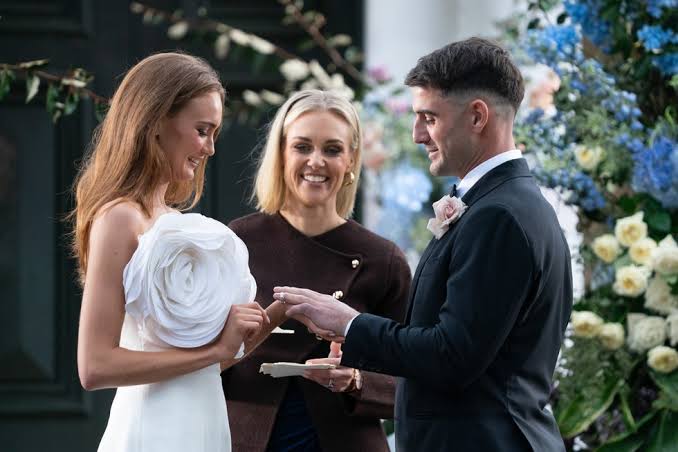
The couple entered marriage with excitement and high hopes for their future together. They had spent months planning their wedding and talking about the life they wanted to build. Both believed they were ready for the commitment, but they soon discovered they had very different expectations about what married life would actually look like.
Advertisement
The husband believed that getting married shouldn’t require him to change his daily routine. He continued making spontaneous plans with friends, staying out late several nights a week, and spending weekends focused almost entirely on his own hobbies. To him, marriage simply meant wearing a wedding ring while continuing the lifestyle he had always enjoyed.
At first, the wife tried to be patient. She understood that everyone needs personal time and encouraged him to maintain his friendships. She never wanted him to feel controlled or isolated, but she also expected marriage to involve shared responsibilities, communication, and spending meaningful time together.
As the weeks passed, she noticed a pattern developing. Household chores were frequently left unfinished, important errands were delayed, and plans they made together were often canceled because something more exciting came up with his friends. Each disappointment seemed small on its own, but together they began creating emotional distance between them.
Whenever she brought up her concerns, the husband insisted she was overreacting. He argued that she had married him knowing exactly who he was and questioned why she expected him to change after the wedding. In his mind, maintaining his independence was completely reasonable.
The wife calmly explained that she wasn’t asking him to give up his personality or stop seeing his friends. Instead, she wanted him to recognize that marriage requires teamwork. Important decisions should be discussed together, and both partners should feel equally valued when making plans.
The disagreement reached a turning point when the husband accepted a weekend getaway with friends without mentioning it until the night before his departure. His wife had already arranged a special anniversary dinner and several activities they had been looking forward to for weeks. Learning that he had forgotten their plans left her deeply disappointed.
When she confronted him, he dismissed the issue by saying they could celebrate another time. That response hurt even more because it suggested their relationship had become less important than his social life. For the first time, she questioned whether he truly understood the commitment they had made to each other.
Their conversation lasted for hours. The wife explained that the problem wasn’t a single weekend trip but a repeated pattern of putting individual wants ahead of shared responsibilities. She reminded him that healthy marriages depend on communication, compromise, and mutual respect rather than assuming one partner will always adjust.
The husband eventually paused to consider her perspective. Looking back, he realized he had rarely asked how his decisions affected her. While he never intended to make her feel unimportant, he could now see how his actions had created exactly that impression.
They agreed to establish healthier boundaries moving forward. Both would continue enjoying personal hobbies and friendships, but major plans would be discussed beforehand. They also decided to schedule regular date nights and divide household responsibilities more fairly so neither partner felt overwhelmed.
Over the following weeks, the changes made a noticeable difference. The husband became more thoughtful about checking in before making plans, and the wife appreciated the effort he was making. Their conversations became more open, reducing many of the misunderstandings that had caused earlier arguments.
Friends who noticed the positive change commented that the couple seemed happier and more connected. Rather than losing his independence, the husband discovered that balancing personal freedom with shared priorities actually strengthened their relationship. He still enjoyed time with friends, but he no longer treated marriage as an afterthought.
The experience taught both partners that marriage doesn’t mean giving up individuality. Instead, it means recognizing that every decision affects two people rather than one. Respect, communication, and compromise proved far more valuable than trying to live exactly as they had before the wedding.
By the end of the journey, the couple understood that love alone isn’t enough to sustain a successful marriage. Lasting relationships require consistent effort, thoughtful communication, and a willingness to grow together. Once they embraced those principles, they found a healthier balance between personal independence and their commitment to one another.