Everyone Thinks I’m Overreacting, but I Can’t Ignore My Boyfriend’s History of Infidelity

I never imagined that I would find myself questioning the future of my relationship because of something that happened before I even became part of my boyfriend’s life. I am twenty-seven years old, and my boyfriend is twenty-four. When we first started dating, everything felt exciting and promising. He was affectionate, attentive, and made me feel like I was someone special to him. We spent hours talking about our interests, our families, and the things we wanted to accomplish in the future. For the first time in a long time, I felt genuinely hopeful about building a lasting relationship with someone. However, as time passed, I began learning more about his romantic past, and those details gradually changed the way I viewed our relationship.
Before we became serious, I knew that my boyfriend had been in several relationships, but I did not initially understand how complicated his history was. Eventually, I learned that cheating had been a recurring issue in his previous relationships. He had apparently been unfaithful to more than one partner, and some of those situations involved dishonesty that lasted longer than a single mistake. Hearing these details made me uncomfortable because I have always considered loyalty and honesty essential parts of a healthy relationship. I understand that people make mistakes, especially when they are younger, and I do not believe anyone should automatically be judged forever because of their past. Still, repeated infidelity seemed different from making one poor decision and genuinely learning from it.
When I first asked him about his past, he admitted that he had not always been the best partner. He explained that he was younger at the time, did not fully understand what he wanted, and sometimes made selfish decisions without considering how deeply he could hurt someone else. According to him, those relationships taught him important lessons, and he claimed that he had changed since then. I wanted to believe him because I care about him, and I know that people can mature as they gain experience. I also did not want to enter a new relationship assuming the worst about someone simply because of stories from his past. I decided to give him a chance and focus on the person he was showing me rather than the person he had been before.
Unfortunately, knowing about his history has made it difficult for me to feel completely secure, even when nothing specific has happened to suggest that he is currently cheating. Sometimes, when he takes longer than usual to reply to my messages or mentions spending time with friends, I find myself wondering whether there is something he is not telling me. I know that people have their own lives, responsibilities, and friendships, and I do not want to become the kind of partner who constantly demands explanations. Nevertheless, the knowledge that he has betrayed previous partners makes it harder for me to dismiss my concerns. I hate feeling suspicious because that is not the kind of relationship I want, but I also cannot simply erase what I know about his past.
I have tried discussing these feelings with him several times, hoping that an honest conversation would help us understand each other better. Sometimes he listens patiently and reassures me that he has no intention of repeating his previous mistakes. Other times, he becomes frustrated and tells me that I am punishing him for things he did before we met. He says that he cannot change his past and that I should judge him according to how he treats me now. Part of me understands his argument because I would not want someone to hold every mistake I had ever made against me indefinitely. However, I also believe that rebuilding trust requires patience, especially when someone’s previous actions have given a partner legitimate reasons to be cautious.
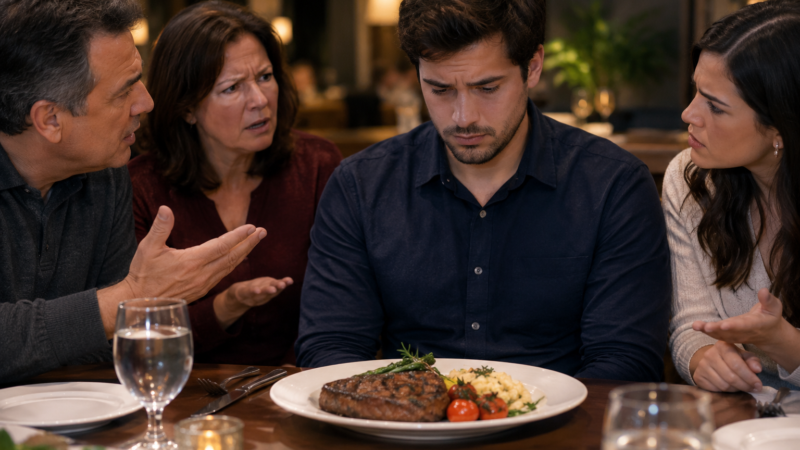
The most confusing part of this situation has been discussing it with my friends. I expected them to understand why I might feel hesitant about continuing the relationship, even if they ultimately disagreed with my decision. Instead, several of them told me that I was overthinking everything and creating problems where none existed. They pointed out that my boyfriend has not necessarily cheated on me and argued that I should not end a potentially good relationship because of something he did with other people. One friend even suggested that I might regret leaving him over a fear that could turn out to be completely unfounded. Their comments have made me question whether I am being reasonable or allowing anxiety to control a relationship that might otherwise have a future.
I have spent a considerable amount of time thinking about what trust actually means in a relationship. I do not expect my boyfriend to be perfect, and I understand that no relationship can guarantee that neither person will ever make a mistake. What I want is to feel that my partner understands the importance of honesty and respects the commitment we have made to each other. I want to believe that if he ever feels unhappy, confused, or attracted to someone else, he will speak to me rather than secretly betraying me. I also want to know that his decision to change comes from genuine personal growth rather than simply wanting to avoid the consequences of getting caught. Unfortunately, I cannot know those things with absolute certainty, and that uncertainty is what makes my decision so difficult.
Despite everything, I still care about him deeply. There are many things I appreciate about our relationship, and I do not want to throw away the good moments we have shared simply because I am afraid of what might happen in the future. He can be thoughtful, loving, and supportive, and there are times when I genuinely imagine us building a life together. At the same time, I am beginning to realize that caring about someone does not automatically mean that a relationship is right for me. If I remain with him, I do not want to spend the next several years worrying about whether he is telling me the truth or wondering whether I am foolish for trusting him. I want a relationship in which trust can grow naturally, without constant fear or the need to investigate every unexplained detail.
Now I am seriously considering ending the relationship, even though I know it would hurt both of us. I have not made a final decision because I want to be fair to him and to myself. I understand that his past does not prove he will cheat on me, but I also believe that I have the right to decide what level of risk and uncertainty I am comfortable accepting in my personal life. I do not want my friends’ opinions to make this decision for me, especially when they are not the ones who have to live with the consequences. So I am asking for honest advice from people who may have experienced something similar. Am I overreacting by considering leaving a boyfriend with a repeated history of infidelity, even though he has not necessarily betrayed me during our relationship? Should I give him more time to demonstrate that he has changed, or is it reasonable to walk away before I become even more emotionally invested in someone I am struggling to trust?
Read Story…
My(27F) boyfriend (24M) has a history of cheating. I’m thinking of leaving, friends think I’m crazy. Advice?
We’ve been together three months. We get along very well, have similar goals, it’s all just been generally awesome and I’ve been falling for him hard.
Full disclosure: I had a serious boyfriend who cheated on me, so I’m paranoid as fuck.
My boyfriend and I had a conversation last weekend that freaked me out. He was talking about his ex girlfriend, Shayla. (They broke up about a month before we started dating, so this is very, very recent)
They were together for 1 year and a half, and unhappy for most of it. I’d heard him mention another girl, Liza, that he’d dated for a few months, and was confused about the timeline. It turns out he dated (hooked up with?) Liza while he was with Shayla. Multiple times. Once, he even had sex with Liza, then went to his graduation ceremony, and then home, with Shayla.
I was disgusted, but tried to hide it. I asked how I could know that he wouldn’t do the same to me. He said because he’d always been unhappy with Shayla, but was happy with me. All that tells me is that the minute we have a problem, he could cheat.
I probed a little more, and he said he had had sex with other girls while dating Shayla. But that it hadn’t entered his head to cheat on me.
What also freaks me out is a conversation we’d had a month ago- he had been worried I’d cheat on him, and I said I wouldn’t. “But you can’t know that!” he told me.
“You never know who you’ll meet, or what you’ll do! There’s no way you can promise me that.” Once again, that freaks me out- doesn’t that just mean that HE can’t promise that he won’t cheat?
Basically, I think I should break up with him, because I can already predict how this relationship will end.
My friends think that he is awesome (Everyone loves him. He’s lovable as fuck) and that I’m being paranoid and crazy.
TL;DR Should I break up with this guy? He cheated on his ex multiple times, and that relationship ended in early June. I think I’ll be next if I stay.
My Boyfriend’s Cheating Past Is Making Me Question Our Future Together
I never thought I would find myself questioning the future of a relationship because of something my boyfriend did before I even became part of his life. I am twenty-seven years old, and my boyfriend is twenty-four. When we first started dating, everything felt exciting and promising. He was affectionate, attentive, and always seemed genuinely interested in getting to know me. We could spend hours talking about our lives, our families, our ambitions, and the things we hoped to accomplish in the future. I felt comfortable around him, and I believed we were building something that could eventually become a serious, long-term relationship. However, as I gradually learned more about his romantic history, my feelings of security began to change, and I started questioning whether love alone would be enough to make our relationship work.
When we initially met, I knew he had dated other women before me. That never bothered me because I had relationships of my own, and I understood that most people have romantic experiences before meeting someone they genuinely want to build a future with. I was not looking for someone with a perfect past, nor did I expect him to have made every decision correctly throughout his life. What mattered to me was how he treated people, whether he could communicate honestly, and whether he understood the importance of commitment. At first, I believed those qualities were present in our relationship. I had no reason to assume that his previous experiences would become such a significant source of anxiety for me.
The situation changed when I discovered that cheating had been a recurring problem in several of his previous relationships. It was not simply a story about one regrettable decision he made years ago and immediately regretted. From what I learned, there had been multiple incidents involving dishonesty, broken promises, and partners who believed they were in committed relationships while he behaved differently behind their backs. I found myself wondering how someone could repeatedly make decisions that caused so much pain to people who trusted him. I understood that he had been younger in some of those relationships, but I also knew that age alone could not explain every decision he had made.
I remember feeling conflicted when I first learned the full extent of his history. Part of me wanted to ask every possible question because I needed to understand what had happened. Another part of me worried that asking too much would make it seem as though I had already decided he was guilty of something. I did not want to become suspicious of everything he said or turn our relationship into an investigation of his past. At the same time, I could not pretend that the information meant nothing to me. When someone has repeatedly broken the trust of previous partners, it is natural to wonder whether the circumstances that led to those decisions have genuinely changed.
Eventually, I decided to speak with him directly rather than relying entirely on what I had heard from other people. I asked him whether the stories were accurate and whether he believed his behavior had changed. He admitted that he had made serious mistakes in previous relationships. He explained that he had not always been emotionally mature and that he sometimes prioritized his own desires over the feelings of the person he was dating. According to him, those experiences taught him valuable lessons about relationships, responsibility, and the consequences of dishonesty. He insisted that he was not the same person anymore and that he wanted to approach our relationship differently.
I wanted to believe him because I cared about him. I know people are capable of growing, and I do not believe a person’s worst decisions should automatically define the rest of their life. Someone who behaved selfishly at twenty-one might become a more responsible partner at twenty-four or twenty-seven. People can recognize harmful patterns, take responsibility for their actions, and genuinely change the way they approach relationships. I did not want to deny my boyfriend that possibility simply because his past made me uncomfortable. However, I also realized that believing someone has changed and actually feeling secure enough to trust them are two very different things.
At the beginning of our relationship, I tried to focus on his present behavior rather than constantly thinking about his previous relationships. I reminded myself that I had no direct evidence that he was cheating on me. He spent time with me, made plans with me, and sometimes went out of his way to make me feel appreciated. We shared ordinary moments that made me happy, from watching movies together to discussing what we wanted our lives to look like in a few years. During those moments, my concerns seemed unnecessary, and I felt hopeful about our future. Unfortunately, the doubts would return whenever something reminded me of his past.
One of the most difficult things about this situation is that I cannot always identify a specific reason for my anxiety. Sometimes he takes longer than usual to respond to a message, and I start wondering whether something is wrong. Other times, he mentions going out with friends, and I find myself thinking about whether I should be worried. I know these situations are normal parts of life, and I do not believe a person in a relationship should have to report every movement or ask permission to spend time with friends. Nevertheless, my mind sometimes connects ordinary circumstances to the things I know about his previous behavior, making it difficult for me to relax.
I dislike this version of myself because I have never wanted to be an overly suspicious partner. Before this relationship, I believed that trust was something two people built through honesty, consistency, and mutual respect. I wanted to be the kind of girlfriend who could support her partner without constantly questioning his intentions. I also wanted him to feel that he could enjoy his independence without worrying that I would interpret every ordinary activity as a sign of betrayal. Now, however, I sometimes find myself overanalyzing small details that I would probably ignore if I did not know about his history. It is exhausting to feel caught between wanting to trust someone and being afraid that trusting them might eventually hurt me.
I have tried talking to him about these feelings instead of allowing them to build up inside me. I explained that I was not accusing him of cheating and that I understood his past happened before we became a couple. What worried me was the repeated nature of his previous behavior and whether he had truly addressed the reasons behind it. I wanted to know what had changed beyond his simple decision to say that he would never do it again. I hoped we could have an honest conversation about boundaries, commitment, and the kind of relationship we both wanted. I wanted reassurance that came from understanding rather than promises made only because he could see that I was upset.
Sometimes, he responds with patience and tells me that he understands why his past makes me uncomfortable. During those conversations, he assures me that he cares about me and does not want to hurt me. He says that he has learned from his previous relationships and that he wants to build something healthier with me. Hearing those words helps temporarily because I want to believe that our relationship is different from the ones that came before it. However, reassurance tends to lose its effect when my doubts return. I then wonder whether I am asking for too much by wanting more than verbal promises, or whether I simply need time to see that his behavior consistently matches what he says.
Other conversations have been much more difficult. When I bring up the subject of cheating, he sometimes becomes frustrated and says that I am judging him for things he did before we met. He argues that he cannot change his past and that it is unfair to make him repeatedly explain decisions he already regrets. I can understand why he might feel defensive if he believes I will never see him as anything other than the person he used to be. Nobody wants to feel permanently condemned for their mistakes. Still, I struggle with the idea that acknowledging his history is automatically the same as punishing him for it.
I have tried explaining that I am not asking him to erase his past or pretend it never happened. I am trying to understand whether the lessons he claims to have learned are reflected in the way he approaches our relationship today. To me, taking responsibility means being willing to discuss difficult subjects without automatically turning the conversation into an argument about who is being unfair. It also means understanding that trust cannot always be restored simply by insisting that someone should believe you. If a person’s previous actions have created reasonable doubts, rebuilding confidence may require patience, honesty, and a willingness to acknowledge why those doubts exist in the first place.
The more I think about it, the more I realize that our disagreements are not necessarily about whether people can change. I believe they can. My real question is how I can distinguish genuine change from a promise that sounds convincing in the moment. Anyone can say that they regret their past behavior, especially when they want to preserve a relationship that matters to them. What I want to see is a consistent pattern of honesty, respect for boundaries, and accountability when uncomfortable situations arise. I want to know that my boyfriend understands why cheating is harmful, rather than simply understanding that getting caught can lead to consequences he would prefer to avoid.
Another thing that troubles me is the possibility that I am investing too much emotional energy into trying to predict what might happen in the future. I know that no amount of questioning can provide absolute certainty about another person’s choices. Even someone with no history of infidelity could betray a partner, while someone who cheated in the past might remain completely faithful in a later relationship. Human behavior is complicated, and I cannot reasonably demand a guarantee that my boyfriend will never make a mistake. However, I do think I have the right to consider whether the uncertainty I experience in this relationship is something I can live with comfortably.
I have started asking myself whether I am staying because I genuinely feel good about our relationship or because I am afraid of making the wrong decision. There are days when everything between us feels normal, and I cannot imagine ending things over something that has not happened to me personally. On other days, I think about his history and wonder whether I am ignoring a pattern simply because I want the relationship to succeed. I do not want to leave someone who could have become a wonderful partner, but I also do not want to remain in a relationship out of fear that I might regret walking away. Both possibilities feel painful in different ways.
I eventually decided to discuss the situation with my closest friends because I needed perspectives from people who knew me well. I thought they might help me separate reasonable concerns from unnecessary fears. I explained what I had learned about my boyfriend’s previous relationships and how difficult it had become for me to feel completely secure. I told them that I was considering ending things before becoming more emotionally invested. I expected at least some of them to understand why the situation worried me, even if they thought I should give him another chance. Instead, their reactions left me feeling more confused than before.
Several of my friends immediately told me that I was overreacting. They argued that my boyfriend had not necessarily cheated on me and that I was treating his previous relationships as evidence against him. According to them, it was unfair to assume that someone would repeat the same mistakes forever. They reminded me that he was still relatively young and might have matured significantly since those earlier experiences. One friend said that people often make poor decisions before understanding what they really want, and another suggested that I should appreciate the fact that he was being honest about his past instead of hiding it from me.
I listened to their arguments because I knew there was some truth in what they were saying. My boyfriend deserves the opportunity to demonstrate that he has changed, and I do not want to make assumptions about his future behavior without considering his present actions. I also recognize that relationships require a certain amount of vulnerability. If I expect to know with complete certainty that someone will never hurt me before I commit to them, I may struggle to build a lasting relationship with anyone. Love always involves some degree of uncertainty, and trusting another person means accepting that their choices cannot be controlled.
However, I felt that my friends were overlooking an important distinction. I was not saying that my boyfriend was definitely going to cheat on me. I was saying that his history made me question whether I felt comfortable building a future with him. Those are not the same thing. I do not need to prove that he will betray me before deciding that a relationship does not feel right for me. Just as he has the right to choose whether he wants to continue dating me, I have the right to decide whether I am comfortable with the circumstances surrounding our relationship. I wish my friends could understand that my decision does not have to be based on a prediction about his future.
One friend went further and suggested that I might be sabotaging a perfectly good relationship because of my own insecurities. She said that if I continued thinking about his past, I might eventually push him away even if he never did anything wrong. Her comment hurt because I have genuinely tried to approach the situation fairly. I have not demanded access to his phone, prohibited him from seeing his friends, or insisted that he constantly prove where he is. I have been trying to understand my own feelings while giving him space to live his life. The last thing I want is to create an unhealthy dynamic in which both of us feel trapped by suspicion and defensiveness.
After that conversation, I began questioning myself even more. What if my friends were right? What if my concerns were preventing me from experiencing a relationship that could have been happy and stable? What if I ended things and later realized that my boyfriend had genuinely changed, and I had walked away from someone who would have treated me well? Those possibilities frightened me because I know that no relationship comes with a guarantee of success. I also wondered whether I was allowing information about his past to overshadow the good things he has shown me in the present. I did not want fear to make every decision for me.
At the same time, I began thinking about the opposite possibility. What if I ignored my concerns, stayed with him for several more years, and eventually discovered that he had repeated the same behavior? I imagined how much more painful that outcome might feel after we had made bigger commitments and built more of our lives around each other. I know that worrying about a possible future betrayal cannot tell me what will actually happen, but I cannot pretend that the possibility means nothing to me. I would rather make a thoughtful decision now than convince myself that my concerns are irrelevant simply because acknowledging them makes the relationship more complicated.
I have also realized that the way my boyfriend responds to these conversations matters almost as much as the history itself. I do not expect him to accept endless accusations or spend the rest of our relationship apologizing for his former mistakes. That would not be fair to either of us. However, I do expect us to be able to discuss trust without every conversation becoming a conflict. If he wants me to believe that he has changed, I need to see that he can acknowledge the impact of his past without treating my feelings as an attack. I also need to be willing to recognize genuine progress rather than moving the goalposts whenever he does something reassuring.
I have started paying closer attention to the things that happen in our relationship now, rather than relying exclusively on what I know about his previous relationships. Does he keep his promises? Is he honest when the truth might be uncomfortable? Does he respect our boundaries when he is around other people? Can we disagree without one of us feeling pressured to ignore our concerns? Does he show that he understands commitment through his everyday choices, or does he rely primarily on saying the right things when I am upset? These questions feel more useful than trying to guess whether he might someday cheat. They focus on the relationship we actually have instead of a future I cannot predict.
I have also been thinking about my own responsibility in this situation. If I decide to stay, I cannot continue treating him as though he has already betrayed me when I have no evidence that he has done so. It would be unfair to repeatedly question his loyalty while refusing to acknowledge any positive behavior. I would need to work on communicating my concerns clearly, setting reasonable boundaries, and allowing trust to develop through experience. At the same time, I would need to recognize the difference between healthy caution and constant anxiety. I do not want to become someone who sacrifices her peace of mind by endlessly searching for certainty that no relationship can provide.
On the other hand, if I decide to leave, I do not think I should have to convince my friends that my reasons are good enough. A relationship can be wrong for someone without involving a dramatic betrayal or a single unforgivable incident. Sometimes two people simply have different expectations, different levels of comfort with uncertainty, or different needs when it comes to emotional security. I can acknowledge that my boyfriend may have changed while still deciding that I am not comfortable continuing the relationship. Those two things can be true at the same time. Ending a relationship does not necessarily mean declaring the other person a terrible human being.
One of my biggest concerns is that I might be confusing love with the obligation to give someone another chance. Because I care about him, I sometimes feel that I should be more understanding and patient. I remind myself that everyone deserves room to grow, and I wonder whether leaving would mean giving up on someone before he has had a fair opportunity to demonstrate his growth. But I am beginning to understand that giving someone a chance is a choice, not a debt. I can wish him well, recognize his potential, and still make decisions based on what I need from a relationship. Caring about someone does not mean I must ignore my own discomfort indefinitely.
I also wonder whether the difference in our ages and experiences has something to do with how we view relationships. I am twenty-seven, and he is twenty-four. Neither of us is old enough to have everything figured out, and I do not believe a three-year age difference automatically means we want different things. Nevertheless, I have started thinking more seriously about what I want from my next few years. I want a relationship that feels emotionally stable, in which both people understand their responsibilities and can talk openly about difficult subjects. I want to build toward a future without constantly questioning whether we share the same understanding of commitment. I need to know whether our expectations are genuinely compatible.
When I picture a future with him, I can imagine many wonderful possibilities. I can imagine us becoming closer, learning from our disagreements, and building a relationship that is healthier than either of us has experienced before. I can imagine his past becoming less important as we develop a stronger foundation of trust. Those thoughts make me reluctant to walk away because they remind me of everything I value about him. But I also recognize that a relationship cannot survive on potential alone. The future I imagine is only one possibility, and I need to evaluate the relationship according to what is actually happening rather than what I hope might happen someday.
Recently, I have tried to imagine what I would tell a close friend if she came to me with the same situation. I would not automatically tell her to leave someone simply because he had cheated in previous relationships. I would want to know whether he had taken responsibility, whether he had made meaningful changes, and whether she felt respected and secure in the relationship. I would also remind her that she did not have to wait for a betrayal before deciding that she was uncomfortable. Most importantly, I would encourage her to make a decision based on her own values rather than pressure from friends or fear of being judged. Thinking about the situation this way has helped me become a little more compassionate toward myself.
I have considered having one more serious conversation with my boyfriend about where we stand. I would like us to discuss what fidelity means to each of us, what boundaries we consider important, and how we would handle situations that might test our commitment. I also want to understand what he believes caused his previous cheating and what he has done to address those patterns. I am not looking for a perfect answer or a guarantee that nothing will ever go wrong. I want to know whether he has genuinely reflected on his past and whether he is willing to build a relationship in which both of us can communicate honestly without feeling attacked or dismissed.
I know that one conversation will not answer every question. Someone can speak sincerely and still struggle to maintain changes over time, just as someone who has made mistakes can demonstrate genuine growth through consistent actions. If I decide to give our relationship more time, I want that decision to be based on a realistic understanding of what I need rather than a vague promise that everything will eventually feel better. I would need to see consistency, respect, and honesty over time. I would also need to set a personal limit on how long I am willing to remain in a relationship that leaves me feeling uncertain, without turning that limit into a threat or an attempt to control him.
Another thing I need to consider is whether I can genuinely move forward without using his past as a weapon during future disagreements. If I stay, I cannot bring up his previous relationships every time I feel insecure or use them to win an argument. That would prevent both of us from building something new. I would have to decide whether I am willing to accept the uncertainty involved in giving him another chance and whether I can gradually judge him by his present behavior. If the answer is no, then continuing the relationship might only create resentment for both of us. It would not be fair to either person to remain together while constantly revisiting the same unresolved doubts.
My friends still believe I am making too much of the situation. Some of them think I should stop worrying and enjoy what I have, while others say I should wait until there is an actual problem before considering a breakup. I understand why they feel that way, especially because they see the positive parts of our relationship and do not experience my doubts in the same way I do. They are not necessarily trying to hurt me. They may genuinely believe that they are encouraging me not to throw away something good. Nevertheless, their confidence does not remove the uncertainty I feel, and their opinions cannot tell me what it will be like to live inside this relationship for the next several years.
I have started accepting that my decision might disappoint people regardless of what I choose. If I leave him, some friends may believe that I gave up too easily. If I stay, I may continue struggling with questions that other people think I should simply ignore. I cannot make a decision that guarantees everyone will understand or agree with me. What I can do is take the time to understand my own feelings, examine the evidence in front of me, and decide what kind of relationship I am prepared to build. I want to make a choice that I can respect later, even if the outcome is not exactly what I hoped for.
At this point, I am not claiming that my boyfriend will inevitably cheat on me. I do not know what he will do in the future, and I do not want to treat speculation as proof. I recognize that he may genuinely regret his previous behavior and that our relationship could become strong and lasting. I also recognize that I may never feel comfortable with the uncertainty his history creates, no matter how much I care about him. Both possibilities deserve honest consideration. I am trying to separate the question of whether he is capable of changing from the question of whether I personally want to continue this relationship. They are related, but they are not identical.
For now, I am giving myself permission to think carefully rather than rushing into a decision just to stop feeling uncomfortable. I want to pay attention to how we communicate, whether his actions match his promises, and whether I feel that my concerns can be discussed respectfully. I also want to be honest with myself about whether my anxiety is improving or becoming a permanent part of the relationship. If I decide to stay, it will need to be because I genuinely want to build a future with him and believe we can develop mutual trust, not because my friends have convinced me that leaving would make me unreasonable. If I decide to leave, it will not necessarily mean that I believe he is incapable of changing. It will mean that I have considered my own needs and made a choice about what is right for me.
So, I am turning to people who may have experienced something similar and can offer an honest perspective. Have you ever dated someone who had a history of cheating before your relationship began? Were you able to trust that person over time, and what helped you determine whether their behavior had genuinely changed? I am especially interested in hearing from people who stayed and built healthy relationships, as well as those who decided to leave before experiencing infidelity themselves. I do not want advice that assumes everyone who has cheated will always cheat again, but I also do not want to be told that my concerns are meaningless simply because my boyfriend has not necessarily betrayed me personally. Am I overreacting by considering ending this relationship because of his repeated history of infidelity, or is it reasonable to walk away when I am already struggling to feel secure? I care about him, but I also want a relationship in which love and trust can exist together without constant fear.