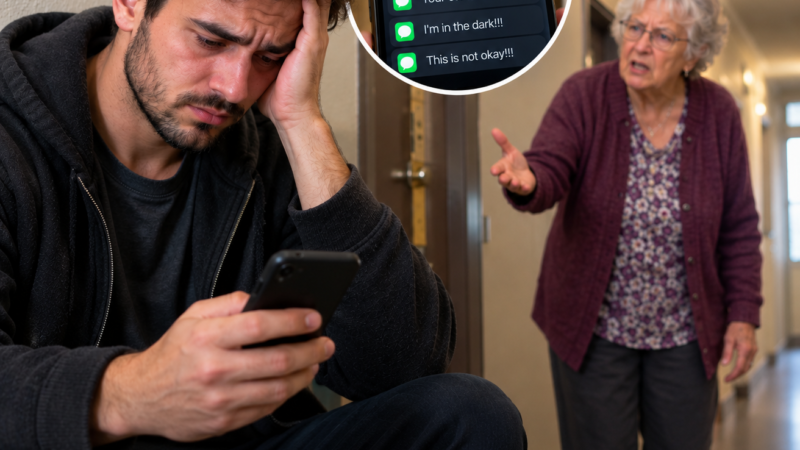
Woman Rejects Men In Their Late 30s, Ends Up Dating A 41YO Who Claimed To Be Just 31
The woman had always been upfront about one particular dating preference: she preferred to date men close to her own age and generally avoided anyone in their late thirties or older. It wasn’t because she believed older people couldn’t make great partners, but because she felt she connected best with those who shared a similar stage of life, lifestyle, and long-term goals. When using dating apps, she carefully set age filters and politely declined matches who fell outside her preferred range. Friends occasionally teased her for being so strict about age, but she believed everyone was entitled to their own dating preferences as long as they treated others with respect.
Everything changed when she matched with a man whose profile stated he was 31 years old. Their conversations flowed effortlessly from the very beginning, and they quickly discovered they shared similar interests, career ambitions, and travel dreams. Over the following weeks, they spent hours talking, met for several dates, and developed what seemed like a genuine connection built on trust and honesty. He appeared thoughtful, attentive, and emotionally mature, making her feel increasingly confident that she had finally found someone who truly matched what she had been looking for.
Several months into the relationship, however, she learned something that completely changed her perspective. During a casual conversation about past jobs and important life milestones, inconsistencies in his timeline prompted her to ask a few questions. After initially hesitating, the man admitted that he wasn’t actually 31—he was 41 years old and had deliberately listed a younger age on his dating profile because he believed many women would automatically reject him otherwise. While he insisted the lie had only been intended to secure an opportunity to meet people, the revelation left the woman feeling deeply conflicted. She wasn’t only upset about the age difference itself; she was far more troubled by the fact that someone she had trusted had built their relationship on a deliberate deception from the very beginning.
Read More…
My (26F) boyfriend (41M) lied about being 31 for three months. How do I move forward?
I’m 26F and I’ve been dating my boyfriend for about three months.
A few dates in, I guessed his age, and he “revealed” that he was 31. I was honestly relieved. After that, I told him about my previous relationship with my ex, who was 10 years older than me, and explained that one of the main reasons that relationship failed was the age gap.
I told my current boyfriend that I had become very skeptical of big age-gap relationships and that I did not want to date someone significantly older again. I even said I was happy that there wasn’t a big age gap between us because I wanted, for once, to be with someone closer to my own age and at a similar stage in life.
Over the past three months, I really admired him. I thought he was unusually accomplished and experienced for 31. I saw him as someone active, ambitious, skilled, and ahead in life. I genuinely looked up to him and thought I had found someone who shared my idea of what a good life should look like.
I was honestly falling hard for him, partly because I found him so admirable and partly because he treated me better than any man ever had before. I felt respected, cared for, and emotionally safe with him, which makes this whole situation even more confusing and painful.
Yesterday I found out that he is not 31. He is 41.
I honestly don’t know what hurts more: the fact that he lied, or the actual age difference. He didn’t just lie once. We spoke two or three times about whether large age-gap relationships can work in theory, and every time I said I was very pessimistic about them and would not want to try that again myself. He still kept pretending to be 31.
Now that I know he is 41, I suddenly see him in a completely different light. The things I admired him for feel different now. For 31, I thought he was impressive. For 41, I don’t feel the same way. I know that may sound judgmental, but the point is that my entire perception of him was based on false information.
I feel like I was fooled by someone who didn’t have the courage to be honest with me. I had so much respect for him, and now I feel embarrassed and manipulated.
The worst part is that I have real feelings for him now. I don’t know how to move forward because the person I was falling in love with feels partly built on a lie. I keep wondering what else he may have lied about.
On our first date, he also told me stories about himself that turned out to be basically false, but I forgave it because it was the first date, he had just approached me on the street and he was probably scared of rejection, and he clarified it once things became more serious. (He had lied about his job, his ethnic background and about where he lives. But who cares, right?) But with the age thing, he lied for three months, even though I repeatedly told him that honesty is one of the most important things to me in a relationship.
I’m also not even sure if he is really 41 now, or if that is just another lie.
Fun fact: when I met him, two other men were also interested in me. I rejected both of them partly because they were in their late 30s and felt too old for me. I consciously chose the man I believed was closer to my own age.
How do I handle this? Is this something that can ever be rebuilt after such a big lie, or is this an automatic dealbreaker?
Her Dating Preferences Were Always Clear
The woman had always been clear about one personal dating preference: she wanted to date someone close to her own age. While many of her friends believed age differences didn’t matter as long as two people were compatible, she felt most comfortable with partners who shared similar life experiences, priorities, and future goals. She wasn’t trying to judge older men or suggest they couldn’t make wonderful partners. She simply believed everyone had the right to choose the qualities they wanted in a relationship, and age happened to be one of hers.

Advertisement
Whenever she used dating apps, she carefully adjusted her age filters to reflect those preferences. If someone outside her chosen range sent her a message, she politely declined or never matched in the first place. Some friends joked that she might be missing out on great opportunities by limiting her options so strictly, but she felt there was nothing wrong with knowing what she wanted before investing time and emotions into getting to know someone.
After several disappointing experiences with incompatible matches, she eventually connected with a man whose profile listed his age as 31. His photos looked genuine, his interests closely matched hers, and their conversations quickly became the highlight of her evenings. Unlike many previous matches, he asked thoughtful questions, remembered small details from earlier conversations, and seemed genuinely interested in building a meaningful relationship rather than rushing into anything.
Their connection grew naturally over the following weeks. They explored local restaurants, attended community events, took long walks through nearby parks, and spent hours discussing everything from childhood memories to future ambitions. She appreciated how easy it felt to talk with him and admired what she believed was an unusual level of maturity for someone close to her age.
As time passed, she became increasingly comfortable introducing him to close friends. Everyone commented on how relaxed and happy she seemed around him. Several people remarked that they appeared well matched, and she began imagining a future in which the relationship continued becoming more serious. For the first time in quite a while, she felt optimistic about where her dating life was headed.
Occasionally, however, small details about his past seemed difficult to reconcile with the age listed on his profile. He referenced career experiences that appeared unusually extensive, mentioned events that seemed to have happened earlier than expected, and sometimes described memories that suggested a longer professional history than someone in his early thirties would typically have. She noticed these inconsistencies but assumed she simply misunderstood the timelines.
Rather than immediately questioning him, she gave him the benefit of the doubt. Everyone occasionally remembers dates incorrectly or tells stories without precise timelines. She believed trust was essential in any healthy relationship and didn’t want to appear suspicious over details that might have perfectly reasonable explanations.
Months into the relationship, the topic resurfaced during a casual conversation about birthdays, graduation years, and previous jobs. As they compared life milestones, the timeline became increasingly confusing. After asking a few gentle follow-up questions, she noticed him becoming noticeably uncomfortable before finally admitting there was something important he needed to tell her.
After a long pause, he confessed that he wasn’t actually 31 years old. Instead, he had recently turned 41. He explained that he had intentionally entered a younger age on his dating profile because many women automatically filtered out men over forty before giving them a chance. According to him, lying about his age seemed like the only way to meet people who would otherwise never speak with him.
Hearing the truth left her speechless. The age difference itself wasn’t the first thing that upset her. What hurt most was realizing that someone she had trusted for months had knowingly deceived her from the beginning. Every meaningful conversation, every shared experience, and every future plan suddenly felt overshadowed by the fact that their relationship had started with a deliberate lie.
The man insisted he never intended to manipulate or hurt her. He claimed that once they got to know each other, he hoped his personality would matter more than the number attached to his age. In his mind, the deception had simply allowed their connection to develop without being rejected before they even exchanged a message.
She listened carefully but struggled to accept that explanation. She believed honesty was especially important at the beginning of a relationship because trust becomes the foundation for everything that follows. If someone could comfortably lie about such a basic fact, she wondered what else they might be willing to hide when circumstances became inconvenient.
Confused about her feelings, she turned to a few close friends for advice. Some immediately told her to end the relationship because dishonesty should never be ignored. Others argued that while the lie was serious, it didn’t necessarily erase the kindness, respect, and affection he had consistently shown throughout their time together.
Those mixed opinions only made the decision more difficult. She couldn’t deny that the relationship itself had been healthy in many ways. He treated her with respect, communicated thoughtfully, and supported her during stressful moments. At the same time, none of those positive qualities changed the reality that he had removed her ability to make an informed decision about dating him.
She also reflected on her own dating preferences. She wondered whether rejecting older men automatically had contributed to the situation by encouraging someone to hide his age. Still, she ultimately concluded that personal preferences aren’t invitations for dishonesty. Every person has the right to choose their own boundaries, whether those involve age, lifestyle, or long-term goals.
Wanting complete clarity, she asked him why he hadn’t confessed much earlier once they had developed genuine feelings for one another. He admitted that every passing week made the truth more difficult to reveal. The longer he waited, the more he feared losing someone he had come to care about, causing him to postpone the conversation until avoiding it became impossible.
Although she appreciated his honesty in that moment, she couldn’t ignore how many opportunities he had missed to correct the deception voluntarily. Instead of telling her early, he had continued allowing the relationship to deepen while knowing she believed something that wasn’t true. That realization weighed heavily on her mind.
After several days of reflection, she decided they needed some time apart. She explained that rebuilding trust would require far more than a sincere apology because confidence in a relationship depends on believing your partner tells the truth, even when doing so might cost them the relationship. She needed space to decide whether that trust could realistically be restored.
During the break, she thought less about the ten-year age difference and more about the importance of informed choice. Had he honestly presented himself as 41 from the beginning, she likely would have declined the match based on her stated preferences. By lying, he had taken away her opportunity to make that decision for herself.
The experience changed how she viewed online dating. She became more attentive to inconsistencies, more willing to ask respectful questions, and more confident about maintaining personal boundaries without feeling guilty. She also recognized that compatibility means little if it isn’t built upon openness and mutual respect from the very beginning.
In the end, the woman realized the story was never truly about whether a 31-year-old could happily date a 41-year-old. Many successful couples have significant age differences and build lasting relationships together. For her, the central issue was honesty. She believed trust cannot be created through deception, no matter how good the intentions may seem. While the relationship had brought meaningful memories, it also reinforced an important lesson: genuine connections begin with truthful introductions, allowing both people to choose each other freely and with complete understanding of who they really are.