Company Loses Its Only Employee Who Can Fix A Critical Machine And Pays Dearly For The Arrogance
For years, a mid-sized manufacturing company relied on a single veteran maintenance technician named Michael to keep its oldest and most valuable production machine running. The equipment was decades old, had been modified countless times, and no longer matched its original technical manuals. While newer employees could perform routine maintenance, only Michael truly understood the countless adjustments, custom-built components, and undocumented repairs that kept the machine operating smoothly. Management often took his expertise for granted, assuming anyone with enough training could eventually replace him.
As business expanded, Michael repeatedly suggested documenting the machine’s unique systems and training additional technicians. He warned that depending on one person created unnecessary risk and could eventually halt production if he became unavailable. Instead of appreciating his foresight, several managers dismissed his concerns as exaggerated. They believed creating documentation would take too much time and that cross-training employees would reduce short-term productivity. Confident that everything was under control, they continued operating without a backup plan.

Advertisement
After years of overlooked suggestions, frozen wages, and increasing workloads, Michael accepted a position with another manufacturer that valued his experience. During his notice period, he again offered to help prepare detailed maintenance guides and train replacements, but leadership insisted it wasn’t necessary. Some executives even assumed he was overstating the complexity of the equipment to make himself appear indispensable. On his final day, he left the factory on good terms with his coworkers, quietly hoping the company would never experience the problems he had warned about.
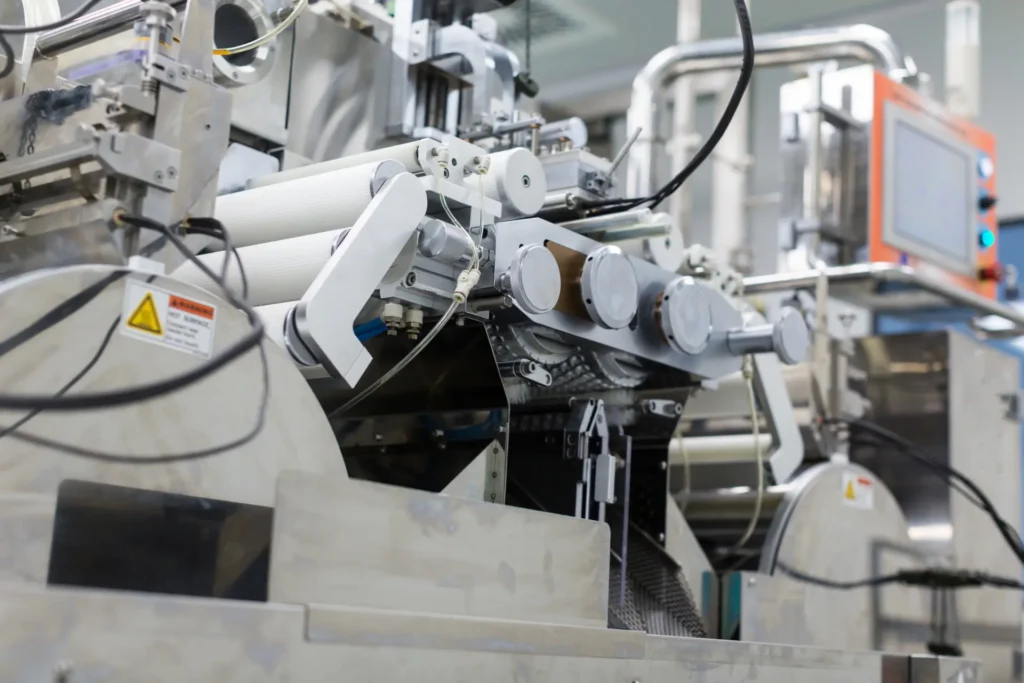
Only a few weeks later, the critical machine unexpectedly shut down during a major production run. Multiple technicians attempted repairs using the available manuals, but none could identify the source of the problem because the machine had been modified so many times over the years. Outside specialists were called in, yet they also struggled to understand the undocumented changes. Every hour of downtime delayed customer orders, increased operating costs, and frustrated clients who had expected on-time deliveries.
Advertisement
Eventually, company leaders realized the issue was never about one employee holding too much knowledge—it was about failing to preserve that knowledge while they had the chance. The experience became an expensive lesson in the importance of succession planning, documentation, and respecting skilled employees who possess years of practical expertise. From that point forward, the company introduced cross-training programs, created detailed maintenance records, and encouraged knowledge sharing, recognizing that no business should depend entirely on a single individual to keep its operations running.
Read Story…
Boss wants two weeks notice, company loses thousands
This is my Granddad’s story from the late 60 to early 70s in England, and to note, he was very poorly when he told this to me, so this is the story that I managed to hear, so there’s bits missing and not a lot of specifics, so all of this is what I gathered
Back when my grandad was younger, he used to work in a factory making engines for cars, and despite being a hard worker, he was always disrespected and under appreciated, and he felt it more so with his boss, and despite this boss holding very littler power over a very little area of the factory, this boss would constantly yell and exert his power over everyone.
This story starts when the company buys this machine from Germany, and what I could gather from my Granddad, this machine was like a computerised machine before computers were really a thing, so instead of one computer doing all of these complex calculations, you have pegs and wires that you have to physically move to work this machine, but he didn’tsay what the machine did. Now obviously this was complex so the company sent a small group of workers to Germany to be taught how the machine worked over three months, and a group of Germans would come to England to build the machine.
My granddad wasn’t one of the people who went to Germany, so he stayed, but instead, he watched the Germans install the machine, and despite the language barrier, my grandad understood how it worked and how to fix it, pretty much everything he would have learnt if he went to Germany with the other workers.
After some time, my grandad got married to my grandma, and realising he needed a house, he went to the bank to talk about mortgages, but the only issue is that he gets £22 a week when he needs £44 a week to get a mortgage, so he asked his boss, who promptly said no. Laster on in the week, my grandad spoke to a mate of his who is now living in France, and the friend said “I recently lost my drivers licence so I can’t work for my company anymore, but they need someone to do deliveries for £48 a week between England and France.”
The next day, my grandad went up to his boss and asked “Sir, who do I give this two week notice into?” And the boss, playing a powerplay leans over my grandad, puffing smoke into his face from his pipe, and says in a low voice “You hand that to me, you understand, I’m the boss here, I’m the most important.” And my grandad handed it over to him.
Over the course of the two weeks, it was normal, until the last day when the manager came over and said “Mike, I heared you’re leaving today, is that true?” And my grandad said “Yes, boss asked me to give him my two week notice” and the manager went white, asking my grandad if the boss told anyone, listing anyone who had the same or more power then the boss did, even asking if the owner knew, and my grandad said no each time, with a bigger smile each time, and after everyone else on the factory went up to him asking the exact same questions, he couldn’t hide his excitement.
You see, what everyone failed to notice is that while the workers who went to Germany, they where in a country known for big beers and pretty women, so they learnt absolutely nothing in those three months, and anything they did learn was quickly forgotten when they learnt my grandad knew how to work and fix the machine, so because of my grandad leaving, he effectively left with the knowledge as he can’t teach anyone else in his last two weeks (and that’s if everyone else knew he was leaving in those two weeks).
And the ending happened two months later when my grandad got a call from someone back at the company asked if he wanted his old job back, and my grandad calmly replied “No, I do not want my old job back, as I’d effectively be going back in life, especially back to a job that doesn’t pay me well or treat me well.” And for anyone wondering what happened with the machine, it ran well in those two months, but someone swapped the wires for the motors, as there was two motors, they put the wires into the wrong ones, and that’s why they called my grandad, as they effectively lost thousands for the machine, the installation of the machine and flying all the workers to Germany to basically just go on a bender. As for the boss and everyone involved, my grandad never bothered learning what happened to them, but I’d like to imagine there was a fallout and the fires of hell rained down, but this company was one of the more expensive car companies, so in all honesty, it could have been a minor set back.
Veteran Engineer Keeps Factory’s Most Critical Machine Running
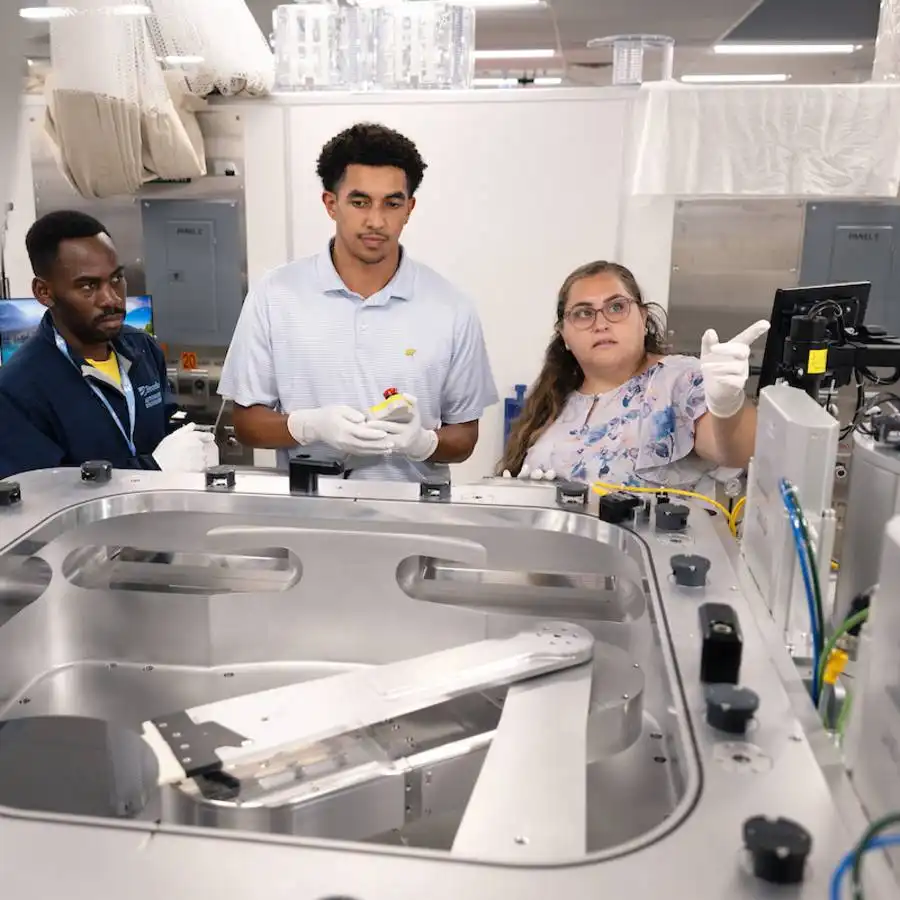
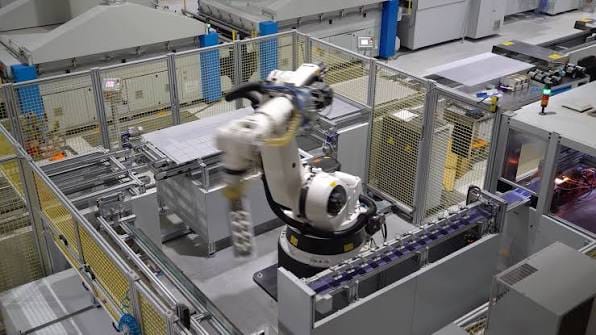
For nearly twenty-five years, Daniel Brooks worked as a senior maintenance engineer at Redwood Precision Manufacturing. The factory produced specialized components for medical equipment, and one aging production line remained the heart of its operations. Although newer machines had been added over the years, this custom-built system still handled almost forty percent of the company’s orders. Daniel knew every unusual vibration, every electrical quirk, and every modification made since the machine was first installed.
Advertisement
Unlike the official manuals, reality inside the factory was far more complicated. Parts had been redesigned, sensors relocated, and software patched dozens of times. Daniel kept detailed notebooks documenting each change, believing they would someday help future technicians.
Advertisement
Whenever annual planning meetings took place, Daniel suggested creating a formal knowledge-sharing program. He recommended training younger technicians and digitizing decades of maintenance records before they were lost. Management always agreed it was “a good idea,” but nothing ever happened.

Advertisement
The company had recently hired a new operations director determined to reduce costs. Looking at spreadsheets instead of factory floors, he viewed experienced employees as expensive overhead rather than valuable investments.

Advertisement
Daniel’s requests for updated tools, additional training staff, and scheduled documentation time were repeatedly denied. Instead, he was expected to keep production running while handling emergencies around the clock.
Despite the growing pressure, Daniel remained committed to his work. He believed the factory’s success depended on teamwork, not individual recognition. Many younger employees admired his patience and willingness to teach anyone who genuinely wanted to learn.
One afternoon, Daniel received an attractive offer from another manufacturer. The position included better pay, predictable hours, and a leadership role focused on mentoring technicians instead of constantly responding to breakdowns.
After careful consideration, Daniel submitted his resignation. Rather than expressing concern, management assumed someone else would quickly replace him. They thanked him briefly and began advertising his position before asking how his responsibilities would be transferred.
Daniel offered to spend his notice period training replacements. He even volunteered to organize decades of handwritten notes into a searchable digital guide. Leadership declined, saying the maintenance manuals already contained everything the new hire would need.
On his final day, coworkers gathered to thank him for years of dedication. They presented him with a small plaque and wished him success. Daniel left with no bitterness, hoping the company would continue thriving.
For the first few weeks, everything appeared normal. Production continued without major problems, convincing executives that replacing Daniel would be easier than expected.
Then, during a major customer order, the aging production line suddenly stopped. Error messages appeared that none of the technicians had ever seen before.
Maintenance crews worked through the night replacing sensors, motors, and electrical components. Every repair attempt failed because the underlying problem involved a modification made years earlier that had never been officially documented.
Outside consultants were hired immediately. Although highly qualified, they struggled because the machine no longer matched its original engineering drawings. Every undocumented change created another puzzle.
Production delays quickly began affecting customers. Several shipments missed delivery deadlines, forcing the sales department to explain unexpected delays to long-term clients.
As downtime stretched into days, financial losses mounted rapidly. Overtime costs increased, emergency replacement parts were ordered at premium prices, and customer confidence began to weaken.
Executives finally located Daniel’s old workstation. Inside a cabinet they discovered neatly organized notebooks describing years of repairs, modifications, calibration settings, and troubleshooting techniques.
Only then did leadership realize how much practical knowledge had existed outside the official documentation. Daniel had never tried to make himself indispensable—he had repeatedly tried to share what he knew.
Using the notebooks as a guide, engineers eventually identified the hidden cause of the failure. After several careful adjustments, the production line returned to normal operation.
Although the machine was running again, the damage had already been done. Lost production, delayed contracts, and emergency repair costs far exceeded what it would have cost to invest in documentation and employee development.
The board of directors requested a full review of the incident. Their investigation concluded that the biggest failure wasn’t technical—it was organizational. Critical knowledge had been allowed to remain with one employee without a structured succession plan.
The company responded by creating comprehensive documentation standards. Every repair, software update, and equipment modification would now be recorded in a centralized system accessible to all qualified technicians.
Cross-training also became mandatory. No essential process would ever depend entirely on one person’s experience again. Senior employees were encouraged—and given dedicated time—to mentor newer staff.
Months later, the operations director admitted that focusing only on short-term cost savings had been a costly mistake. He acknowledged that experienced employees represented years of accumulated knowledge that couldn’t simply be replaced with a new hire.
The experience permanently changed the company’s culture. Employees were encouraged to share expertise, managers listened more carefully to frontline workers, and knowledge preservation became a strategic priority. The lesson was clear: businesses succeed not only because of machines and technology, but because they value the people whose experience keeps those systems running every day.