Bride Says Neither Her Dad Nor Stepdad Should Walk Her Down The Aisle, Mom Calls It Disrespectful
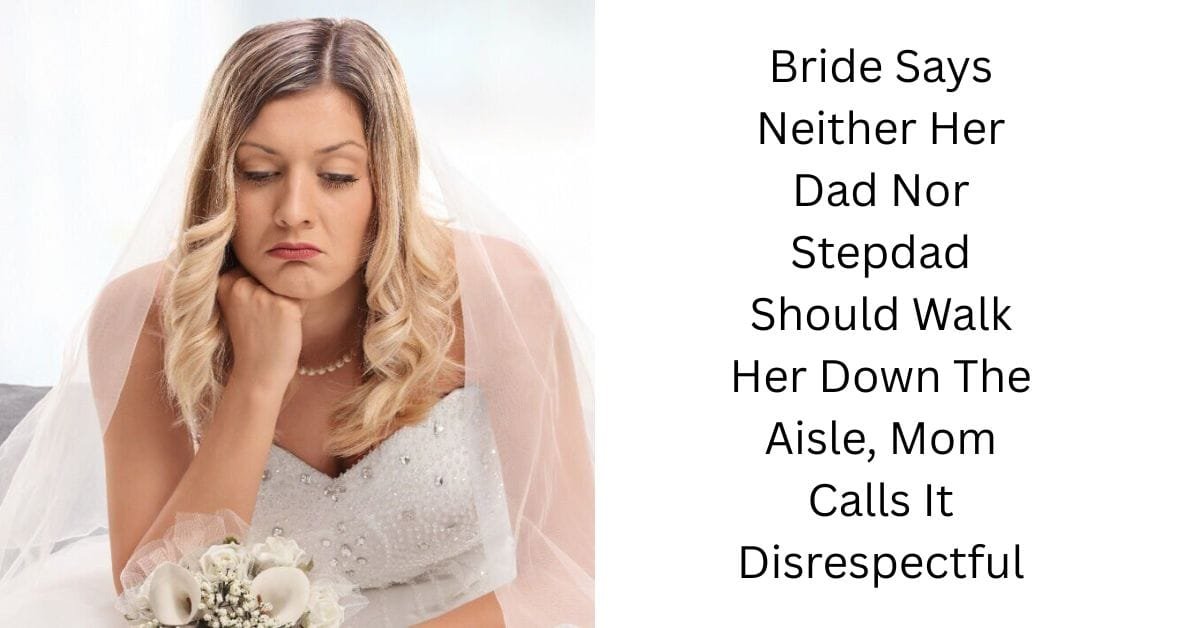
Twenty-eight-year-old Lauren had spent years imagining her wedding day as a celebration that reflected her own values rather than long-standing family traditions. Growing up, she loved attending weddings, but one custom never felt entirely right to her—the idea of being “given away” by someone else. Her parents had divorced when she was nine years old after years of constant disagreements, and although both remained part of her life, neither relationship had been especially close. Her father lived several states away and visited only occasionally, while her stepfather entered her life when she was twelve. He treated her kindly and supported her through many important milestones, but Lauren never viewed him as a replacement for her biological father. As her wedding approached, she decided she wanted to walk down the aisle alone, believing it symbolized beginning a new chapter on her own terms rather than choosing one father figure over another.
When Lauren shared her decision with her family during a dinner celebrating the engagement, the reaction was far more emotional than she expected. Her father quietly admitted he had always imagined walking his daughter down the aisle and felt disappointed that opportunity would never happen. Her stepfather smiled politely but later confessed he also hoped he might be asked because he had helped raise her for more than fifteen years. The biggest reaction came from Lauren’s mother, who immediately argued that refusing both men was disrespectful. She insisted that wedding traditions existed for a reason and claimed Lauren was unnecessarily hurting two people who loved her. Lauren calmly explained that her decision wasn’t meant to reject either man—it was simply the most authentic choice for her.
Advertisement
Over the following weeks, the discussion resurfaced repeatedly. Different relatives offered conflicting opinions, with some suggesting Lauren ask both men to walk beside her together, while others believed she should choose whichever father figure had been more involved throughout her life. Lauren appreciated that everyone was trying to find a compromise, but none of the suggestions felt right. She explained that if she selected one man, the other might feel excluded, and asking both to participate would still ignore the deeper reason behind her choice. To her, walking alone represented independence, gratitude toward everyone who had shaped her life, and the belief that marriage was a partnership entered freely—not a ceremony where someone symbolically transferred responsibility for her.
As invitations were finalized and wedding plans continued, Lauren’s mother became increasingly frustrated. She accused Lauren of placing modern ideas above family feelings and warned that several relatives would view the decision as a public rejection of both fathers. Lauren listened respectfully but stood by her decision. She reminded her mother that weddings should reflect the couple getting married rather than satisfy everyone else’s expectations. Her fiancé fully supported her choice, telling both families that the most meaningful ceremony would be one where Lauren felt comfortable and true to herself. Although the conversation remained tense, he encouraged everyone to focus on celebrating the marriage instead of debating one tradition.
Advertisement
On the wedding day, the music began, and guests turned toward the entrance expecting to see one of the fathers escorting Lauren. Instead, she confidently walked down the aisle by herself, smiling warmly at friends and family before joining her fiancé at the altar. The ceremony was filled with love, heartfelt vows, and joyful celebration, and many guests later admitted the moment felt deeply personal rather than unusual. Although Lauren’s mother initially remained disappointed, she gradually realized that her daughter’s decision had never been about rejecting her father or stepfather. It had been about honoring her own beliefs while respecting both men equally. In the end, the wedding became a reminder that traditions can be meaningful, but the most memorable celebrations are often the ones that genuinely reflect the people at the center of them.
Advertisement
Read Story…
My mom (53F) threatened to go no contact with me (26F) if I choose to walk down the aisle alone instead of asking my stepdad (55M)?
My mom (53F) has stressed me out and I (26F) don’t know what to do. So my mom and stepdad (55M) got married when I was 8. My dad’s (53M) a pretty big flake. He was in and out of my life as a child, didn’t pay all his child support on time, didn’t do a whole lot of parenting and we’ve had our issues up and down. When my mom remarried my stepdad tried to fill in the gaps left by my dad and my mom tried to make me see him as my real dad. While I appreciate and care for my stepdad a great deal, I never could see him like my mom wanted. And while I love him, and while I like him more than my dad, in my heart my dad is still the person I long to have step up and he’s the person I love so much despite all his flaws.
Because my dad doesn’t deserve to walk me down the aisle and because I could never see my stepdad as my dad I made the decision when I got engaged in May to walk down the aisle myself. My mom would have been my first choice. But before I ever got engaged she was outspoken that a mom walking her daughter is too modern and untraditional and she said she would never do it. So I didn’t ask. I chose to take her at her word and accept that she’s not into weddings being too modern. I thought saying I wanted to walk myself would be accepted. But it was not.
My mom asked me within a week of my engagement why I hadn’t asked my stepdad to walk me down the aisle. She followed up with you better not have asked that man before I could give her an answer. I told her I had decided to walk myself. My mom asked me what kind of fucked up statement is that and she asked me why I would disrespect my stepdad like that. She said there is a man who deserves to walk me down the aisle and that’s him. She said out of everyone in the world he deserves it. I told her if it went to anyone it would be her and she told me it was a ridiculous comment because normal mothers would not walk their daughters regardless of the circumstance.
I didn’t bring it up again but my mom has brought up my stepdad walking me more times than I can keep track of. She knows this isn’t some secret way for me to surprise them with my dad doing it. But she doesn’t care.
My stepdad and I talked and he understands. Mom told me he shouldn’t have to understand. She told me it’s disgusting that I can take this good man and refuse him as a father when he was there for the last 18 years. My mom is not open to a compromise and now she has told me she will go no contact if I don’t ask him. She told me she will not accept a disrespectful adult daughter no matter what my feelings are.
Now I’m conflicted and I don’t want to lose my mom. But my heart isn’t truly in asking my stepdad. Even if I ask him now he’ll know he wasn’t my choice and that my mom forced me which I doubt will feel good. But I’m second guessing what I should do and I need advice because I don’t want to lose my mom. I’m just not sure giving in is the right move,
Bride Questions a Wedding Tradition That Never Felt Right to Her
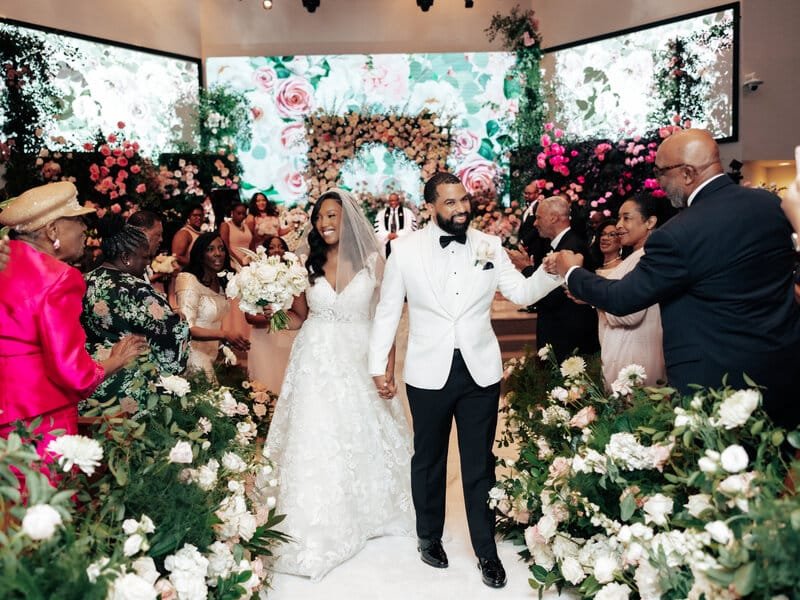
Twenty-eight-year-old Lauren had always imagined her wedding day as a celebration of love, commitment, and the beginning of a new chapter rather than a performance of traditions she didn’t personally believe in. Ever since she became engaged to her fiancé, Matthew, she spent countless evenings planning every detail of the ceremony. She wanted the day to reflect who they were as a couple instead of simply repeating customs because they were expected. While choosing flowers, music, and decorations felt exciting, one particular tradition continued to trouble her—the expectation that someone would walk her down the aisle. To many people it was a touching family moment, but Lauren had never felt that it represented her relationship with either of the father figures in her life.
Advertisement
Lauren’s parents divorced when she was only nine years old after years of constant disagreements. Although the separation was peaceful compared to many divorces, it dramatically changed the structure of her childhood. She divided holidays, birthdays, and school vacations between two households, often feeling as though she belonged completely in neither one. Her father, David, accepted a job in another state shortly after the divorce, making regular visits difficult. While he called frequently and tried to remain involved, distance inevitably limited the time they spent together. Lauren never doubted that he loved her, but their relationship gradually became less like that of a parent raising a child and more like relatives trying to stay connected across long distances.
Advertisement
When Lauren was twelve, her mother married Richard, a patient and dependable man who treated Lauren with kindness from the beginning. Richard never attempted to replace her biological father or pressure her into calling him “Dad.” Instead, he quietly attended school plays, taught her how to drive, helped with homework, and showed up whenever she needed support. Over the years, he became one of the most reliable adults in her life. Lauren deeply appreciated everything he had done for her, yet she still viewed him differently from her father. She loved and respected Richard, but she never felt comfortable assigning him a role that belonged exclusively to someone else.
As wedding planning progressed, Lauren began discussing ceremony traditions with Matthew. During one conversation, he casually asked whether her father or stepfather would be walking her down the aisle. Lauren hesitated before admitting she didn’t want either of them to do it. Matthew looked surprised at first but encouraged her to explain. She told him that choosing her biological father would unintentionally diminish Richard’s years of love and support, while choosing Richard might deeply hurt her father despite everything he had done to remain part of her life. Asking both men to escort her together didn’t feel right either because, in her heart, she simply wanted to walk alone.
Advertisement
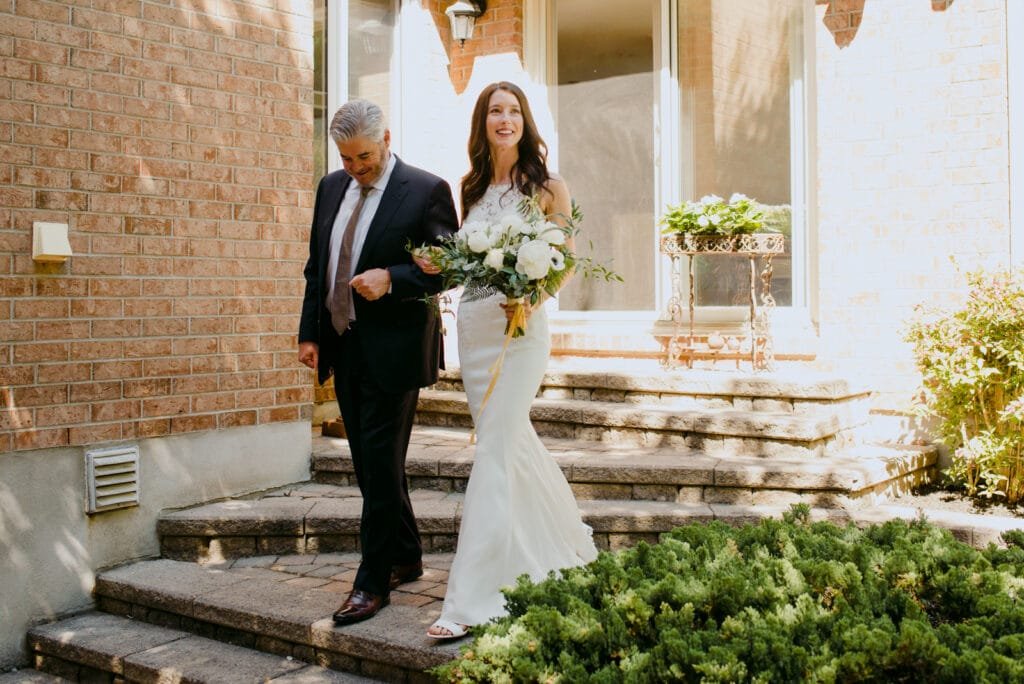
Lauren explained that walking down the aisle by herself wasn’t meant to reject anyone. Instead, it symbolized entering marriage as an independent adult making her own choice. She appreciated the historical significance of the tradition but didn’t personally connect with the idea of being “given away.” Matthew smiled warmly and assured her that the wedding belonged to both of them, not to outside expectations. He told her that whatever decision felt authentic would automatically become the right one because the ceremony should reflect their values rather than satisfy everyone else’s assumptions.
Advertisement
Several weeks later, Lauren invited her parents and Richard to dinner so they could discuss wedding plans together. The evening began pleasantly with conversations about venues, guest lists, and honeymoon destinations. Near the end of the meal, Lauren calmly explained that she intended to walk down the aisle alone. For several seconds, nobody spoke. Her father looked surprised, Richard quietly lowered his eyes toward the table, and her mother immediately asked whether Lauren was joking. Lauren gently reassured everyone that she had carefully considered the decision for months and believed it was the most honest choice for her.
Advertisement
The silence was finally broken by Lauren’s mother, who expressed immediate disappointment. She argued that weddings were built around meaningful traditions and that refusing to have either father figure escort her would unnecessarily hurt both men. Lauren respectfully explained that her decision wasn’t about rejecting anyone or minimizing their importance in her life. On the contrary, she loved them both and didn’t want to create competition between them by choosing one over the other. Unfortunately, her mother remained unconvinced, insisting that walking alone would send the wrong message to family members and guests who had always expected the bride to be accompanied down the aisle. The conversation ended politely, but everyone left knowing the disagreement was far from resolved.
Over the next several days, Lauren noticed that the subject kept resurfacing in subtle ways. Her mother would casually mention weddings they had attended where fathers proudly walked their daughters down the aisle, hoping Lauren might reconsider. Family members who had heard about the decision also began sharing their opinions. Some believed Lauren was making an unnecessary statement, while others insisted she should simply choose the man who had played the biggest role in raising her. Lauren appreciated that everyone cared enough to offer advice, but every conversation only reinforced her belief that no option felt completely fair or true to her own feelings.
A week later, Lauren’s father, David, asked if they could meet for lunch. Sitting across from his daughter, he admitted that hearing her decision had been painful. He confessed that ever since Lauren was a little girl, he had imagined the day he would proudly walk beside her as she began a new chapter in life. He understood that he hadn’t always been physically present because of work and distance, but he had never stopped loving her or trying to stay involved. Lauren listened carefully before explaining that her choice wasn’t meant to erase those memories or diminish his role as her father. She simply didn’t want the ceremony to become a comparison between the two men she cared about.
A few days later, Richard quietly approached Lauren while helping her move some wedding decorations into the garage. Unlike others, he didn’t try to persuade her or express disappointment. Instead, he simply asked whether she was happy with the decision. Lauren nodded and admitted it had been one of the hardest choices she had ever made. Richard smiled gently and told her that supporting her had never depended on receiving recognition or special roles. He reminded her that parents—and parent figures—should want their children to feel confident and peaceful on important days, even if that meant letting go of personal expectations. His calm response brought Lauren enormous relief.
Although Richard accepted Lauren’s decision gracefully, her mother interpreted his quiet acceptance as him hiding his true feelings. She privately accused Lauren of putting both men in an impossible position by refusing a tradition that had existed for generations. According to her mother, guests would inevitably wonder why neither father figure was escorting the bride, leading to uncomfortable questions throughout the reception. Lauren responded that she couldn’t plan her wedding around assumptions made by distant relatives or casual acquaintances. The ceremony, she explained, was meant to celebrate a marriage—not satisfy everyone’s expectations about tradition.
Meanwhile, Matthew remained Lauren’s strongest supporter. Whenever wedding planning became stressful, he reminded her why they had made each decision together. He believed that marriage was about building a future based on shared values rather than pleasing everyone around them. He also pointed out that if Lauren changed her mind simply to avoid criticism, she might spend years looking back on the ceremony wishing she had trusted her own instincts. His encouragement helped Lauren stay focused on what truly mattered instead of becoming overwhelmed by family pressure.
As invitations were mailed and final arrangements were confirmed, the disagreement spread quietly among extended relatives. Lauren’s grandmother suggested asking both David and Richard to escort her together as a symbol of unity. An aunt proposed having one man walk her halfway before the other joined for the remainder of the aisle. Several cousins even suggested alternating roles between the ceremony and reception. Lauren thanked everyone for their creativity, but none of the compromises reflected what she genuinely wanted. To her, changing the tradition still meant participating in a custom she had already decided didn’t represent her personal beliefs.
Despite the growing pressure, Lauren never raised her voice or argued with anyone. She patiently answered every question, acknowledged everyone’s emotions, and repeatedly explained that her decision came from respect rather than rejection. She believed asking one man to escort her would unintentionally hurt the other, while asking both would ignore her own feelings entirely. By remaining calm and consistent, she hoped her family would eventually understand that the issue wasn’t about choosing between two fathers—it was about choosing the ceremony that felt authentic to her. Unfortunately, as the wedding day drew closer, it became increasingly clear that not everyone was ready to accept that explanation.
Two weeks before the wedding, Lauren’s mother asked to meet privately at a small café near her office. Lauren hoped the conversation would finally bring some understanding, but it quickly became clear her mother still believed the decision was a mistake. She explained that several relatives had already been asking who would walk Lauren down the aisle and that she felt embarrassed telling them the bride planned to walk alone. According to her mother, many older family members would see the choice as a rejection of both David and Richard rather than a personal expression of independence. Lauren listened patiently before reminding her that she couldn’t build her wedding around other people’s assumptions.
Lauren gently explained that she had spent months thinking about the decision before mentioning it to anyone. She had considered every possible compromise—asking her father, asking Richard, having both men escort her together, or changing the ceremony entirely. None of those options felt honest because each required pretending she believed in a tradition that simply didn’t reflect her own values. She emphasized that marriage was one of the most personal commitments she would ever make, and she wanted every part of the ceremony to feel genuine rather than performed out of obligation.
As wedding rehearsals approached, David and Richard unexpectedly met while helping transport decorations to the venue. For the first time since the disagreement began, the two men had an opportunity to speak privately. David admitted he had been disappointed at first because walking Lauren down the aisle had always been one of the milestones he imagined sharing with his daughter. Richard nodded in understanding but admitted he had experienced similar emotions. Despite their different relationships with Lauren, both men realized they had something important in common—they wanted her wedding day to bring happiness rather than regret. By the end of the conversation, they agreed that supporting Lauren’s wishes mattered more than fulfilling their own expectations.
Wedding rehearsal took place the evening before the ceremony. Friends and family gathered inside the venue while coordinators explained the processional and seating arrangements. When the planner announced that Lauren would enter alone, a few relatives exchanged surprised looks, but nobody challenged the decision. David and Richard quietly took their assigned seats in the front row, demonstrating through their actions that they respected Lauren’s choice even if it hadn’t been the outcome they originally imagined. Seeing both men cooperate peacefully reassured Lauren that perhaps the tension surrounding the issue was finally beginning to fade.
On the morning of the wedding, Lauren spent several quiet moments alone before getting ready. As makeup artists and bridesmaids prepared the room, she reflected on the journey that had brought everyone to this day. She thought about her childhood, her parents’ divorce, Richard’s steady support, her father’s long-distance efforts to remain involved, and the countless conversations that had shaped her final decision. Instead of feeling nervous about criticism, she felt grateful for having people who cared deeply enough to express their emotions, even when they disagreed with her.
Shortly before the ceremony began, David knocked gently on the bridal suite door. Lauren invited him inside, expecting another emotional discussion. Instead, her father smiled warmly and handed her a handwritten letter. He told her he still wished circumstances had been different, but he respected the thoughtful way she had approached the decision. A few minutes later, Richard also stopped by to wish her happiness, reminding her that no tradition mattered more than beginning married life with confidence and peace. Their support brought Lauren to tears, and she realized that although neither man would accompany her down the aisle, both had helped guide her to that moment in different ways.
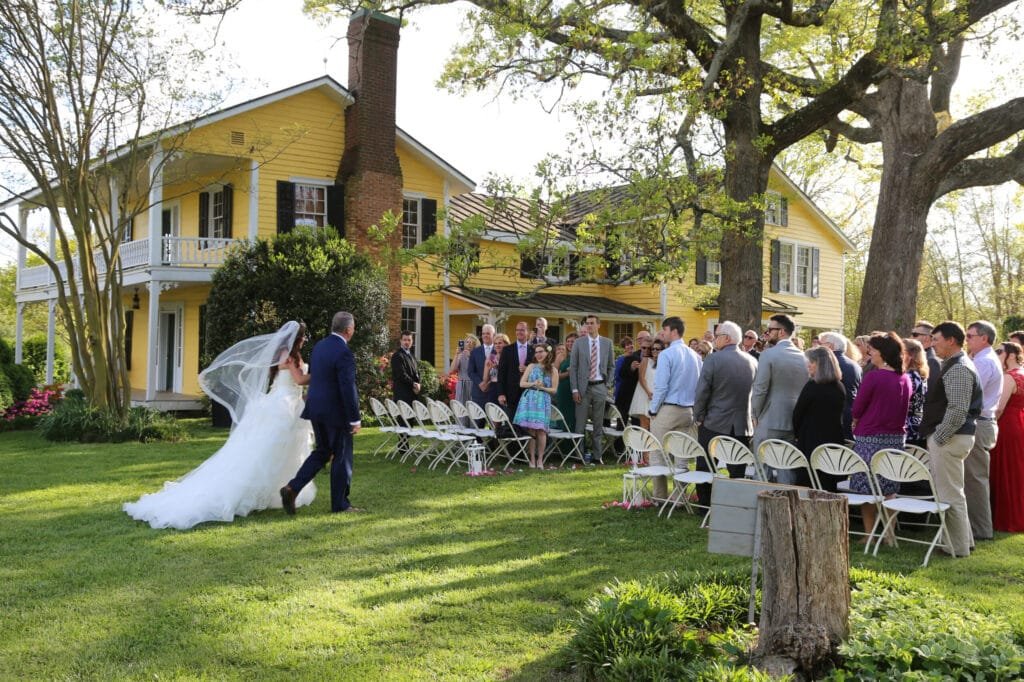
As the music began, guests turned toward the entrance expecting to see Lauren escorted by one of the two father figures seated in the front row. Instead, she appeared alone, smiling with quiet confidence as she walked steadily toward Matthew. The ceremony felt deeply personal, and the atmosphere remained respectful and emotional throughout. While a few relatives initially looked surprised, most quickly focused on the joy shared between the bride and groom rather than the absence of a traditional escort. By the time Lauren reached the altar, it had become clear that the significance of the moment came not from who accompanied her, but from the commitment she was about to make.
The ceremony concluded with heartfelt vows, warm applause, and a joyful celebration as family and friends gathered for photographs and the reception. During cocktail hour, several guests quietly admitted that they had expected Lauren’s decision to create an awkward atmosphere, but instead they found the ceremony deeply meaningful. A few older relatives confessed they had been skeptical at first, yet after seeing Lauren confidently walk toward Matthew, they understood why the moment felt so personal. Rather than focusing on who wasn’t beside her, guests found themselves talking about how happy and self-assured the couple looked throughout the ceremony.
Later that evening, Lauren’s mother approached both David and Richard separately, expecting them to express disappointment about what had happened. To her surprise, neither man seemed upset anymore. David admitted he had needed time to accept that his daughter wasn’t rejecting him—she was simply making a decision that reflected her own beliefs. Richard agreed, explaining that supporting Lauren meant respecting her choices, even when they differed from long-standing traditions. Hearing both men speak with such understanding made Lauren’s mother realize she had been more concerned about appearances and expectations than about what her daughter genuinely wanted.
As the reception drew to a close, Lauren shared a quiet dance with her father and later another with Richard, thanking each of them for the different roles they had played throughout her life. She told David that no amount of distance could erase the bond they shared, and she thanked Richard for the years of patience, guidance, and unwavering support he had offered without ever asking for recognition. Both men smiled proudly, realizing that their importance in Lauren’s life had never depended on walking her down the aisle. Those heartfelt moments meant far more than any single wedding tradition ever could.
Looking back, the family eventually understood that the disagreement had never truly been about who should escort the bride. It had been about balancing tradition with personal choice and learning that meaningful celebrations don’t have to follow every custom to be deeply respectful. Lauren’s wedding became a reminder that every couple has the right to create a ceremony reflecting their own values, provided those choices are made with honesty and consideration for the people they love. In the end, the strongest memory wasn’t that Lauren walked down the aisle alone—it was that her family ultimately chose love, understanding, and respect over expectations, allowing everyone to celebrate the beginning of a marriage built on authenticity rather than obligation.