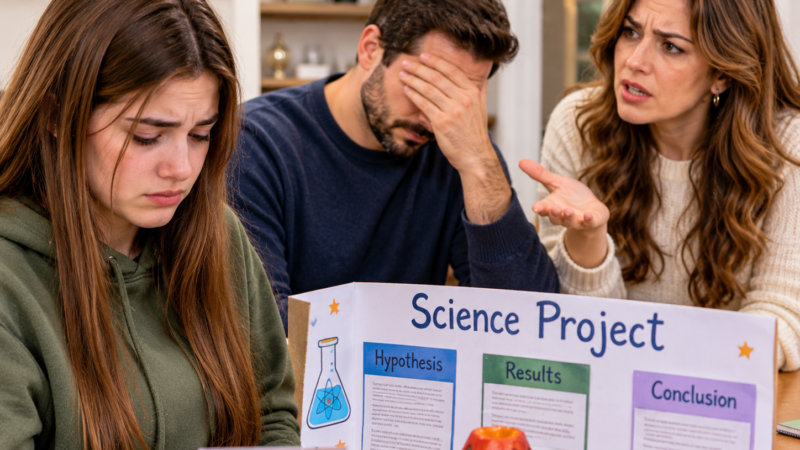
I Refused to Give My Sister My Share of the Inheritance, and Now My Family Is Against Me
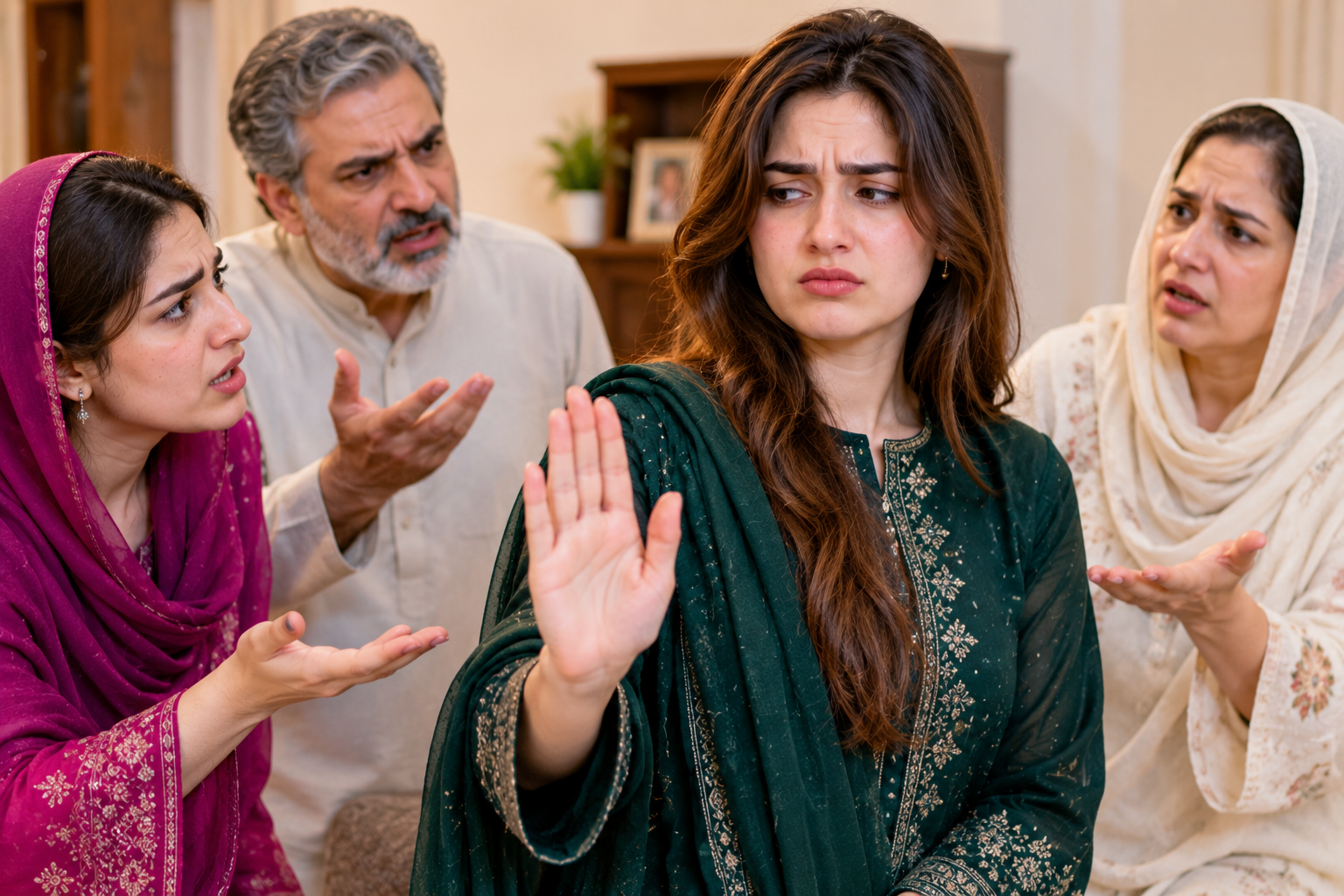
I never imagined that something as personal as receiving an inheritance would eventually turn my entire family against me. I’m a 32-year-old man, and recently, my family went through a difficult period after my father passed away. His death was unexpected, and losing him was one of the hardest experiences I’ve ever faced. My father had always been an important part of my life. He worked hard for many years, saved carefully, and did everything he could to make sure his family had a comfortable future. Although we were all grieving, we eventually had to deal with the practical matters he left behind, including his will and the inheritance.
My father had two children, me and my older sister, who is 36. We grew up in the same house and shared many childhood memories. However, our lives became very different as adults. I moved away for work, built my career, and became financially independent. My sister stayed closer to our parents and eventually started a family of her own. She has two children and has struggled financially for several years. I understand that raising children is expensive, and I have never judged her for needing help. In fact, I have supported her financially on several occasions when she needed assistance. However, I never expected those previous favors to become a permanent responsibility.
When my father’s will was finally discussed, we discovered that he had divided his estate equally between my sister and me. He left us both a share of his savings, investments, and the family property. Everything was clearly explained in the legal documents, and there was no indication that one of us was supposed to receive more than the other. I was comfortable with the arrangement because I believed my father had made that decision carefully. I also knew that he wanted both of his children to have something meaningful from the years he had spent working and saving. I had no intention of arguing over money while we were still dealing with his loss.
The situation changed when my mother and sister started talking about the inheritance. My sister explained that she was struggling with her mortgage, childcare expenses, and several outstanding bills. She said that receiving only half of the inheritance would not make a significant difference in her financial situation. Then she suggested that I should give up my share so she could receive the entire inheritance. According to her, I had a stable job, no children, and enough money to support myself, while she had a family depending on her. She believed that giving her my portion would be the most reasonable and compassionate thing to do. I was surprised by the request because she presented it as something I was expected to agree to rather than a favor she was asking.
I calmly explained that I understood her financial difficulties, but I did not want to give up my inheritance. I reminded her that our father had deliberately divided everything equally, and I wanted to respect his decision. I also pointed out that I had my own expenses, savings goals, and future plans. Having a stable income did not mean I had unlimited money or that I did not need the inheritance. My sister immediately became upset and accused me of caring more about money than family. She said that if our father had known how difficult her situation would become, he probably would have wanted me to help her. I told her that neither of us could change what he had written in his will based on assumptions about what he might have wanted.
My mother soon became involved in the disagreement. She called me and said that I should think about my sister’s children instead of focusing on my own financial interests. She explained that the children were innocent and deserved a more secure future. I told her that I loved my niece and nephew, but I did not believe their financial situation automatically made me responsible for giving away everything my father had left me. I had already helped my sister in the past, and I was willing to discuss other ways to support her if she genuinely needed assistance. However, I was not comfortable signing away my entire inheritance. My mother responded that I was being stubborn and that keeping the money would create unnecessary problems within the family.
After that conversation, other relatives started contacting me. Some said that I was financially better off and should make a sacrifice for my sister. Others suggested that I could easily rebuild my savings while she might never get another opportunity to receive such a large amount of money. A few relatives even accused me of being selfish and reminded me that family members should support one another during difficult times. What frustrated me most was that nobody seemed interested in asking whether I wanted to give up my inheritance. They had already decided that because I was financially stable, my share should automatically go to my sister. Nobody considered that my father had treated us equally for a reason or that I also had a right to make decisions about my future.
Eventually, my sister stopped speaking to me except when she wanted to discuss the inheritance. She told me that she would never forget how I had abandoned her when she needed me most. My mother also became distant, and family gatherings suddenly felt uncomfortable. I started questioning whether refusing to give up the inheritance was worth damaging my relationships with the people I had known my entire life. At the same time, I felt increasingly frustrated because I had done nothing wrong by accepting what my father had specifically left to me. I never demanded more than my sister, never challenged her share, and never suggested that she should give me any of her money. I simply wanted the same respect for my portion that everyone expected me to show toward hers.
Now I am stuck between respecting my father’s final wishes and trying to keep peace with my family. I have offered to help my sister create a realistic financial plan and have even considered giving her a smaller amount voluntarily, but I refuse to surrender my entire inheritance. My family believes that I should make this sacrifice because I have fewer financial responsibilities, while I believe that my sister’s financial problems should not erase my father’s decision. I still love my family, and I do not want money to permanently destroy our relationships. However, I also do not think being a good brother means giving up something that was legally and intentionally left to me. So, am I wrong for refusing to give my sister my share of the inheritance, even though my family now treats me like I am the selfish one?
Read Story…
AITA for not giving up my part of the inheritance?
My grandmother passed away recently. I was very close to her, and so was my younger sister. My grandfather had passed away about six months earlier, and my grandmother was already prepared for the end of her life.
I have four cousins, but this story is mainly about one of them. Let’s call her Eve. Eve has five children with four different fathers. My grandmother was never happy with Eve’s choices, especially because Eve had her first child when she was only 15 years old.
After my grandparents passed away, the lawyers responsible for handling their wills contacted our family. My parents, aunts, uncles, cousins, and I were all invited to attend the reading of the will. When everything was explained, we learned that my grandparents had left equal shares of their estate to their grandchildren, not their great-grandchildren.
After taxes, each grandchild was supposed to receive around $1.2 million in inheritance. The money included stocks, land, and other assets. However, Eve’s situation was different. My grandparents had arranged for her share to be divided between Eve and her five children.
Eve was clearly unhappy with this decision. After the lawyers left, she stood up and demanded that all the grandchildren combine their inheritance and divide it equally among everyone, including her children. She believed that her children should receive the same amount as the rest of us.
I was the only person who openly stood up to her. I told her directly that I would not give her any of my inheritance. I also explained that the decision was between her and our grandparents, not something the rest of us needed to fix.
My grandparents had made their wishes clear in the will, and I had no intention of going against them.
A few days later, I started receiving messages and phone calls from Eve’s parents and her sister. They told me I should not take away Eve’s rightful inheritance simply because she had chosen to become a mother. They argued that what my grandparents had done was unfair and that sharing our money would help make things right. I disagreed completely because none of us had any control over how my grandparents decided to divide their estate.
Eventually, I became tired of dealing with their constant messages, so I blocked them all. However, Eve seems to be pressuring my other cousins too, because some of them are starting to change their minds and consider giving her part of their inheritance.
Now I’m beginning to wonder whether I’m being unreasonable by refusing to share the money. I don’t believe I should have to give up something my grandparents intentionally left to me, especially to support children who are not my responsibility and whom I barely have a relationship with. Am I wrong for wanting to keep my inheritance instead of giving part of it to Eve and her children?
TL;DR: My grandparents left each grandchild an equal share of their estate, but they arranged for my cousin Eve’s share to be divided between her and her five children.
Now she wants the rest of us to share our inheritance with her family because she believes the arrangement was unfair. I refused, and now some relatives are calling me selfish.
Losing My Grandparents Turned Into a Family Conflict Over Inheritance and Money
I never imagined that losing my grandparents would eventually create one of the biggest family conflicts of my life. My grandmother passed away recently, and although I knew her health had been declining, her death still left a huge emptiness in my heart. She was one of the most important people in my life, and I had always shared a special bond with her. My grandfather had passed away about six months earlier, and after spending so many years together, my grandmother often said she felt ready to join him. Losing both of them within such a short period was incredibly painful for everyone in our family. However, I never expected that their passing would turn into an argument about money, inheritance, and family loyalty.
I come from a fairly large family, and my grandparents had several grandchildren who grew up spending time at their house. I have four cousins, and although we were not equally close, we generally got along during family gatherings. We celebrated birthdays together, visited our grandparents during holidays, and occasionally helped them with small things around the house. My grandparents always tried to treat everyone fairly, although they naturally had different relationships with each grandchild. Some of us visited more frequently, while others only appeared during special occasions. I never believed that the amount of time someone spent with them should determine how much love or respect they deserved.
The cousin who became the center of this entire situation is someone I will call Eve. Eve has five children with four different fathers, and her life has involved several difficult relationships and financial struggles. I am not saying this to judge her circumstances because everyone has personal challenges, and I understand that raising children without a stable financial situation can be incredibly difficult. However, Eve has always expected other family members to help whenever she experiences problems. Sometimes she asks for money, sometimes she needs someone to watch her children, and other times she expects people to rearrange their schedules because she needs assistance. Unfortunately, these requests have gradually become expectations rather than occasional favors.
Over the years, I noticed that my grandmother frequently helped Eve financially. Whenever one of her children needed something, my grandmother would often offer to pay for it. If Eve struggled with groceries, household expenses, school supplies, or unexpected bills, Grandma would usually find a way to help. I never complained about this because it was Grandma’s money, and she had every right to spend it however she wanted. She loved her grandchildren and wanted them to have comfortable lives. However, there were moments when I felt that Eve had become too dependent on her generosity. Instead of trying to solve certain problems independently, she seemed to assume Grandma would always be available to rescue her.
My relationship with my grandparents was different. I never wanted them to feel that I visited only because I needed something. I called them regularly, checked on their health, and visited whenever I had the opportunity. Sometimes I would spend an entire afternoon sitting with Grandma, listening to stories about her childhood, her marriage, and the experiences she had throughout her life. She enjoyed talking about the past, and I genuinely loved hearing those stories. I also helped with errands when necessary and made sure they had company when they felt lonely. I never kept track of what I did for them because I considered those things part of being family.
When my grandfather passed away, Grandma became noticeably quieter. They had been married for decades, and their relationship was something I always admired. She frequently mentioned how much she missed him and sometimes told us that she felt their time together had been a wonderful gift. Although she continued living independently for a while, she gradually needed more assistance. Some days were better than others, and she occasionally struggled with ordinary household responsibilities. I tried to visit whenever possible because I knew she appreciated having someone around. I also encouraged other family members to check on her, but not everyone made the same effort.
Eve occasionally visited Grandma, especially when she needed help with something involving her children. There were times when she arrived with several requests and spent most of the visit discussing her financial problems. Grandma usually listened patiently and tried to help within her abilities. I remember one particular afternoon when Grandma quietly told me that she worried about Eve’s future. She loved her great-grandchildren and wanted them to have stability, but she also wished Eve would become more independent. Grandma never spoke badly about her, and I respected that. Still, I could tell that constantly worrying about everyone’s problems had become emotionally exhausting for her.
Before she passed away, Grandma had apparently made arrangements concerning her estate. I was not involved in those discussions, and I never asked her about the details because I did not want her to think I was interested in her money. I knew she had some savings and property, but I had no idea exactly how she intended to distribute everything. She had always been private about financial matters. My understanding was that she had prepared a will and wanted everything handled properly after her death. At the time, I assumed the process would be straightforward and that everyone would respect whatever decisions she had made.
When Grandma finally passed away, our family gathered to remember her and support one another. The funeral was emotional, especially because her death came only six months after Grandpa’s passing. It felt as though we had barely recovered from one loss before experiencing another. I remember looking around the room and seeing photographs of both grandparents together. They had shared so many years of their lives, and it was difficult to imagine family gatherings without them. For the first few days, everyone seemed focused on grieving. Nobody wanted to discuss money, and I certainly had no intention of bringing it up.
A few weeks later, the subject of inheritance finally came up. One of the family members explained that Grandma’s estate would be handled according to her will. There were some financial assets, personal belongings, and property-related matters that needed to be sorted out. I was informed that Grandma had divided her inheritance among her grandchildren in a way she considered fair. Each of us was supposed to receive a specific share. I was surprised when I learned the amount allocated to me, but I accepted it as Grandma’s decision. I did not question why someone received more or less because I believed she had her reasons.
At first, I thought everyone would accept the arrangements. However, that assumption quickly proved wrong. Eve was particularly unhappy when she learned how the inheritance had been divided. She apparently believed that because she had five children and significant financial responsibilities, she should receive more than the other grandchildren. She argued that an equal or predetermined distribution did not make sense when some family members had greater needs than others. I understood that raising five children was expensive, but I also knew that Grandma had not created her will based on how many children each grandchild had.
During one family conversation, Eve suggested that those of us who did not have children should consider giving part of our inheritance to her. She presented the idea as something reasonable and compassionate. According to her, the money would make a meaningful difference in her children’s lives, while people without children could manage perfectly well with a smaller amount. I was uncomfortable with the suggestion, but I initially tried not to react emotionally. I simply explained that the inheritance had been divided according to Grandma’s wishes, and I did not think it was appropriate to change those arrangements just because someone disagreed with them.
Eve did not seem satisfied with that answer. She explained that her children were innocent and should not have to struggle because their mother had financial difficulties. She also suggested that the rest of us were fortunate because we had fewer responsibilities. I reminded her that everyone had different expenses, obligations, and financial circumstances. Not having children did not automatically mean someone had unlimited money or no problems. I had worked hard for my own financial stability, and I did not believe I should be expected to give away something that Grandma had specifically left to me.
The conversation became more uncomfortable when Eve directly asked me how much I was willing to contribute. I told her I was not planning to give her any of my inheritance. I said this calmly because I genuinely did not want an argument. I explained that the money belonged to me according to Grandma’s will, and I intended to respect the decision she had made. Eve looked shocked, almost as though she had never considered that I might refuse. She responded that I was being selfish and that family should help family, especially when children were involved.
I tried to explain that helping someone should be a personal decision rather than something demanded from them. I had never prevented Eve from seeking assistance, and I had never told her that she was undeserving of support. However, there was a difference between voluntarily helping someone and being pressured to surrender an inheritance. Grandma had made her decision while she was alive, and I felt that changing it after her death would be disrespectful. If Grandma had wanted Eve to receive a larger share, she could have arranged that herself. I did not believe it was my responsibility to rewrite her wishes.
Unfortunately, Eve took my refusal very personally. She began bringing up things from the past, including times when she believed I had received more attention or support from our grandparents. She claimed that Grandma had always been in a better position to help me because I had fewer responsibilities. I reminded her that Grandma had helped her many times too, sometimes with significant expenses. However, Eve insisted that those contributions were different because she had children who depended on her. The conversation went in circles, and it became obvious that neither of us was going to change the other’s mind.
A few days later, I received messages from other relatives. Some suggested that I should reconsider my position, while others said that giving Eve a portion of my inheritance would prevent unnecessary family drama. One relative even suggested that we should all contribute something so her children could have a better future. I found this frustrating because nobody seemed interested in asking whether I actually wanted to do that. Everyone was discussing my money as though it had already been promised to Eve. I started feeling like the entire family had forgotten that Grandma had made individual decisions for a reason.
What bothered me most was the way people described my refusal. Instead of saying that I had chosen to keep my inheritance, they started portraying me as someone who cared more about money than family. Apparently, refusing to give Eve money meant I was heartless, selfish, and unwilling to help innocent children. I found that especially unfair because I had never treated her children badly. I had always been polite to them, and I had occasionally bought them gifts during birthdays and holidays. But apparently, none of those things mattered anymore because I would not agree to hand over part of my inheritance.
One afternoon, Eve called me directly. Her tone was completely different from our previous conversations. She sounded upset and angry, and she immediately started talking about how difficult her life had become. She explained that she had several expenses coming up and that the inheritance could help her get ahead financially. She also mentioned that her children needed things that she could not always afford. I listened without interrupting because I understood that she was under pressure. However, when she once again asked me to transfer part of my share, I repeated that my answer had not changed.
Eve then accused me of having no compassion. She said that if I genuinely cared about my family, I would never allow her children to struggle while I kept money that I did not urgently need. I told her that she did not know everything about my financial situation and that I had my own plans and responsibilities. Even if I had more money than I needed, that still would not make her entitled to it. I explained that generosity only means something when it comes from someone’s own willingness. It stops being generosity when someone is pressured, insulted, or emotionally manipulated into giving.
After that phone call, things became even worse. Eve apparently discussed the situation with several relatives, and the story started spreading throughout the family. Some people were told that I had refused to help her despite having received a large inheritance. Others were apparently told that I had insulted her and suggested that her children were not my responsibility. I never said anything like that. I had simply refused to give away my share. Still, I found myself defending words I had never spoken and explaining a decision that should not have required anyone else’s approval.
My parents also became involved. They told me that family relationships were more important than money and that I should consider whether keeping the entire inheritance was worth creating a permanent conflict. I agreed that relationships mattered, but I also pointed out that nobody had asked Eve to sacrifice her inheritance for someone else. Why was I the only person being expected to make a financial sacrifice? If Grandma had left everyone a specific amount, then everyone should have been allowed to keep what she intended them to receive. My parents did not have a convincing answer, although they continued insisting that I should be the bigger person.
I asked my parents whether they would have made the same request if Grandma had left Eve less money than everyone else. They said the situations were different because Eve had children. I understood their argument, but I still could not see why having children automatically gave someone a right to another person’s inheritance. Raising children is a serious responsibility, and parents deserve support when they genuinely need it. However, that responsibility does not transfer to every relative who happens to have more financial freedom. Eve had made her own decisions throughout adulthood, and I did not think it was fair to make everyone else responsible for the consequences.
The situation became especially painful when I realized that some relatives had stopped contacting me altogether. People who used to send messages or invite me to family gatherings suddenly became distant. A few relatives continued speaking to me, but their conversations always seemed to return to the inheritance dispute. It felt as though I had become the family villain overnight. I had not stolen anything, changed Grandma’s will, or taken money that belonged to someone else. I had simply accepted what she had left me. Yet somehow, that decision had become a reason for people to question my character.
I also began thinking about what Grandma would have wanted. She was a generous woman, and she often helped people without expecting anything in return. But she also believed in fairness and personal responsibility. I remembered conversations where she explained that giving someone everything they requested was not always the best way to help them. She wanted her grandchildren to become independent adults who could make their own decisions and manage their own lives. I could not imagine her being happy if her carefully prepared will became the reason her family started fighting. I wished everyone could remember her instead of focusing entirely on the money.
One relative suggested that we should arrange a family meeting to settle everything. I initially refused because I did not see what there was to settle. The inheritance distribution was already established, and I had no intention of negotiating my share. However, my parents encouraged me to attend because they believed a conversation might reduce the tension. Eventually, I agreed. I hoped everyone would speak calmly and understand that I was not trying to hurt Eve. I simply wanted the family to stop treating my inheritance as something that could be redistributed whenever someone felt dissatisfied.
The family meeting was far more uncomfortable than I expected. Eve arrived with several relatives who clearly supported her position. She began explaining how difficult it was to raise five children and how much financial pressure she experienced. I did not disagree with any of that. However, she then turned the discussion toward me and said that I was refusing to help because I cared too much about keeping money for myself. She described the inheritance as an opportunity for the entire family to support someone who needed it most. I felt as though I was being presented with a moral test that I had never agreed to take.
When it was finally my turn to speak, I explained that I loved Grandma and that her inheritance meant more to me than its financial value. I said that I had not asked for a particular amount, nor had I tried to influence her decisions. She had chosen how to divide her estate, and I was simply respecting that choice. I also explained that I was not responsible for Eve’s financial situation, although I genuinely hoped things would improve for her. I was willing to maintain a relationship with her, but I would not transfer money just because other people believed I should.
Eve became emotional and accused me of acting as though I was better than her. She said I had always been treated differently and that keeping the inheritance was another example of how I benefited while she struggled. I told her that I had never considered myself better than anyone. I had simply worked toward the life I wanted, just as she had made decisions about hers. I did not believe that our different circumstances justified taking away something Grandma had intentionally left to me. At that point, several relatives began speaking at once, and the meeting turned into an argument.
One of my uncles finally said something that surprised me. He suggested that Grandma might have distributed the inheritance unfairly because she had not fully considered Eve’s responsibilities. I asked him whether he had discussed that with Grandma while she was alive. He admitted that he had not. I then asked why everyone was suddenly questioning her judgment after she could no longer explain herself. Nobody answered immediately. It was strange to hear people claim they were protecting Grandma’s intentions while simultaneously suggesting that her actual decisions should be ignored. To me, that seemed like the opposite of respecting her memory.
After the meeting, I decided to stop discussing the inheritance with relatives. Every conversation seemed to become another opportunity for someone to criticize me or pressure me into changing my mind. I told my parents that I loved them and wanted our relationship to remain healthy, but I would no longer participate in arguments about my share. I also told Eve that if she wanted to maintain a relationship with me, we needed to stop treating every family interaction as a negotiation over money. She did not respond positively. In fact, she accused me of avoiding accountability, which made me realize that she still believed I owed her something.
A few weeks later, another unexpected issue came up. Eve apparently told some relatives that she had been counting on receiving financial help from the inheritance and had already made plans based on that expectation. I found this particularly confusing because I had never agreed to give her anything. She had apparently assumed that enough family pressure would eventually convince me to change my decision. When that did not happen, she began describing the situation as though I had broken a promise. I had never made such a promise, and I was becoming increasingly uncomfortable with how confidently people repeated that version of events.
My grandmother’s belongings were also being distributed during this period. There were photographs, household decorations, jewelry, and other personal items that carried sentimental value. I was fortunate enough to receive something small that reminded me of her, and I treasured it more than anything else in the estate. Unfortunately, even this process created tension. Eve questioned why certain relatives received particular belongings and suggested that everything should be divided differently. It seemed that no matter what Grandma had decided, someone believed the distribution should be changed to accommodate their personal preferences.
I started wondering whether keeping my inheritance would permanently damage my relationship with the entire family. There were days when I felt guilty, even though I knew I had done nothing wrong. I missed the days when family gatherings were about birthdays, holidays, and ordinary conversations rather than accusations and financial demands. I also felt sad that my grandparents’ deaths had become connected to so much resentment. They had spent their lives building a family, and now that family was struggling to stay together because of something they had left behind. That realization hurt more than the arguments themselves.
Eventually, I spoke with someone outside the family who helped me look at the situation more objectively. They reminded me that inheritance is not a competition where the person with the greatest financial needs automatically receives the largest amount. It is a decision made by the person leaving the estate, subject to the applicable legal arrangements. They also encouraged me to make sure all inheritance matters were handled properly and documented rather than allowing family pressure to influence important financial decisions. That conversation helped me feel more confident about maintaining my boundaries. I realized that I could care about Eve without agreeing to her demands.
I eventually sent Eve a message explaining that I did not want our relationship to become permanently damaged. I told her that I understood she had responsibilities and that I hoped her financial situation would improve. I also explained that my decision about the inheritance was final. I was not going to continue defending myself every time someone disagreed with Grandma’s will. I made it clear that if I ever decided to help her financially in the future, it would be because I genuinely wanted to, not because someone had pressured me. I hoped she would understand the difference, but I was prepared for her to disagree.
Her response was short and disappointing. She said that she could not believe I was choosing money over family and that she would remember how I treated her during one of the most difficult periods of her life. I read the message several times, hoping there might be some misunderstanding. However, it was clear that she still viewed my refusal as a personal betrayal. I did not reply because I knew another argument would not solve anything. I had already explained my position more times than necessary, and I was tired of being made to feel guilty for respecting a decision that had never been mine to change.
Since then, my relationship with several relatives has remained strained. Some have slowly started speaking to me normally again, while others continue believing that I should have given Eve part of my inheritance. I have accepted that I cannot control what everyone thinks about me. I can only control my own actions and make decisions that I believe are fair. I still miss my grandparents terribly, and sometimes I look at their photographs and remember the peaceful family gatherings we used to have. I wish their final gift to us had brought everyone together rather than creating so much division. But I also know that I cannot sacrifice my own boundaries simply to make other people happy.
Now I am left wondering whether I handled this situation correctly. I never asked Grandma for money, never demanded a particular share, and never tried to influence how she divided her estate. I simply accepted what she left me and refused to hand it over when Eve demanded it. I understand that her five children have needs, and I genuinely hope she finds a way to provide them with the stability they deserve. But I also believe that my grandparents had the right to decide what happened to their belongings and savings after their deaths. Am I really selfish for keeping the inheritance that was specifically left to me, or should I have given Eve a portion just to keep the family from turning against me? I love my family, but I am beginning to wonder whether they only consider me a good family member when I am willing to give them what they want.