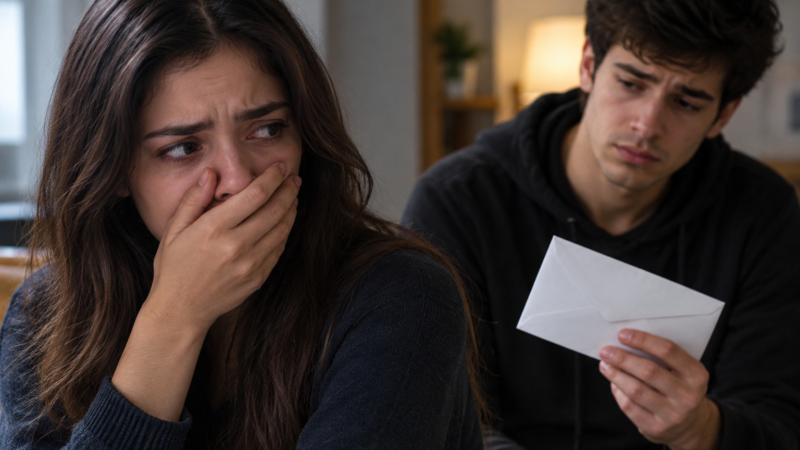
After Seven Years in a Relationship, I Never Expected My Boyfriend to Make Me Question Everything
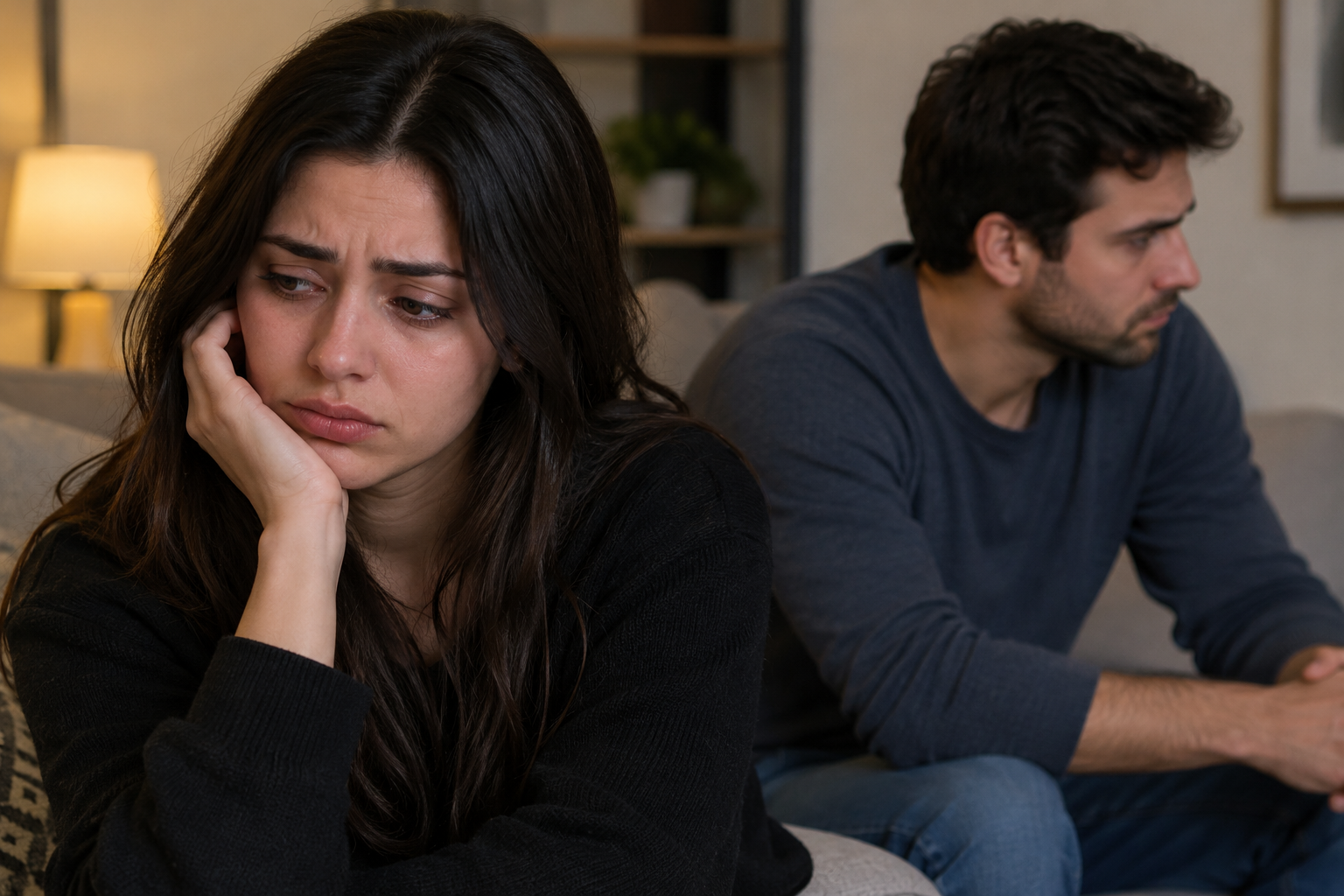
After seven years in a relationship, I never imagined I would reach a point where I would question everything I once believed about love, trust, and commitment. When my boyfriend and I first got together, we were younger, full of dreams, and excited about the future we thought we would build together. We spent countless hours talking about our hopes, sharing our fears, and imagining what our lives would look like years down the road. Over time, our relationship became such a familiar and important part of my life that I could hardly remember what things were like before him. He was the person I turned to when I had a terrible day, the first person I wanted to tell when something wonderful happened, and the one I trusted with parts of myself that I rarely showed anyone else. Like every couple, we had disagreements and difficult moments, but I always believed our love was strong enough to survive them. Seven years felt like more than enough time to understand someone deeply, recognize their flaws, and learn how to love them despite their imperfections. That was why I never expected the same person who once made me feel completely secure to become the reason I started doubting everything about our relationship.
For a long time, our relationship felt stable and comfortable, and I believed that was a sign we had grown together rather than grown apart. We had developed routines, familiar jokes, and little traditions that made our relationship feel uniquely ours. We knew how to comfort each other after stressful days, and even sitting together without saying much could make me feel connected to him. However, somewhere along the way, I began noticing small changes that I initially dismissed because I did not want to overthink things. He seemed more distracted during our conversations, sometimes checking his phone while I was telling him something important. There were moments when he appeared irritated by questions he would previously have answered without hesitation, and conversations that once felt natural started becoming uncomfortable. I tried to convince myself that he was simply dealing with stress, work, or personal problems that had nothing to do with me. I did not want to become the kind of partner who questioned every little thing or turned ordinary disagreements into unnecessary arguments. Still, a quiet feeling began growing inside me, suggesting that something between us was different. I could not identify exactly when the change happened, but I knew the closeness we once shared was no longer as effortless as it had been.
As the weeks passed, the distance between us became increasingly difficult to ignore. We still spent time together, but being physically close did not always mean I felt emotionally connected to him. Sometimes we would sit in the same room for an entire evening, both looking at our phones, barely exchanging more than a few words. When I tried to start a meaningful conversation, he would often give short answers or say he was tired and did not feel like talking. I understood that relationships naturally change over time, and I never expected every day to feel as exciting as the beginning. However, I did expect us to continue making an effort to understand each other and maintain the emotional connection that had brought us together. I started missing the little things that once made me feel loved, such as him asking about my day, remembering something I had mentioned earlier, or reaching for my hand without thinking about it. Whenever I tried to explain how I felt, he sometimes acted as though I was making a problem out of nothing. That reaction hurt almost as much as the distance itself because it made me feel as if my emotions had become an inconvenience. Eventually, I began keeping certain thoughts to myself, not because they no longer mattered, but because I was afraid that expressing them would create another argument.
One evening, I finally decided that I could not continue pretending everything was fine. I asked him whether something had changed in his feelings toward me, hoping he would be honest even if the answer was difficult to hear. I explained that I had noticed the distance between us and wanted to understand what was happening before our problems became even bigger. Instead of giving me a clear answer, he seemed frustrated that I had brought up the subject again. He told me that I was overthinking things and that not every change in his mood needed to become a serious conversation. I tried to explain that I was not asking him to be happy all the time or give me constant attention. I simply wanted reassurance that we were still working toward the same future and that our relationship mattered to him as much as it mattered to me. The conversation became tense, and we eventually stopped talking without reaching any real understanding. Afterward, I replayed every word in my mind, wondering whether I had approached the situation incorrectly or expected too much from him. I hated that a conversation intended to bring us closer had left me feeling even more uncertain. For the first time in seven years, I found myself wondering whether knowing someone for a long time necessarily meant understanding what was happening inside them.
The hardest part of everything was realizing how easily trust could begin to feel fragile when honest communication disappeared. I had always believed that trust was one of the strongest foundations of our relationship, something we had built through years of shared experiences and promises. I trusted him with my feelings, my insecurities, and my plans for the future because I thought we had reached a point where neither of us needed to hide behind excuses. Recently, however, I started questioning things that had never bothered me before. When he became unusually quiet, I wondered whether something was wrong between us. When he changed his plans without explaining much, I found myself searching for reasons that might not even exist. I did not want to become suspicious or constantly analyze his behavior, but uncertainty has a way of filling the spaces where communication used to be. I knew that my fears were not proof that he had done anything wrong, and I did not want to accuse him of something simply because I felt insecure. At the same time, I could not ignore how uncomfortable it had become to live with so many unanswered questions. I wanted to believe in him as I always had, but I also needed to understand why the relationship that once brought me peace was now leaving me feeling so unsettled.
What made the situation even more painful was remembering all the conversations we had shared about our future. Over the years, we had discussed where we might live, what kind of home we wanted, how we imagined our careers developing, and the experiences we hoped to share someday. Those conversations were never just casual fantasies to me; they were part of how I understood our commitment to each other. I had gradually shaped some of my expectations around the belief that we would continue growing together. Of course, I understood that nobody could predict exactly what life would bring, and I never expected either of us to remain the same person we had been when we first met. People change, priorities shift, and relationships require adjustments as both partners mature. But I had assumed that we would discuss those changes openly rather than allowing them to create a wall between us. Now, whenever I thought about our future, I felt a mixture of hope and fear that I could not easily explain. I wondered whether he still imagined me beside him years from now or whether he had started questioning our relationship without telling me. I was afraid of losing the future I had pictured, but I was also beginning to understand that a future built on assumptions could not replace honest conversations about what we both wanted.
As I struggled to understand what was happening, I realized that I had spent so much time focusing on his behavior that I had barely considered what the situation was doing to me. I was constantly analyzing our conversations, wondering whether I had said something wrong, and trying to find the perfect way to approach him without making him defensive. I began measuring my words carefully because I wanted to avoid another argument, even when I had legitimate concerns that deserved to be discussed. Sometimes I would decide not to bring something up because I was afraid he would accuse me of creating unnecessary drama. Other times, I would tell myself that things would improve if I simply became more patient and gave him enough space. There is nothing wrong with being understanding toward someone you love, especially when they are dealing with difficulties of their own. However, I was starting to question whether my patience had turned into a habit of ignoring my own emotional needs. I wanted to be a supportive girlfriend, but I also wanted to feel heard, respected, and secure in the relationship. I knew that love required compromise, yet I was beginning to wonder whether I had been doing too much of the emotional work alone. That realization was uncomfortable because it forced me to consider not only whether he was changing, but also whether I was losing parts of myself while trying to keep our relationship together.
Eventually, I realized that we could not continue moving forward while pretending the growing distance between us did not exist. I decided that we needed a calm, honest conversation in which neither of us tried to dismiss the other’s feelings or turn every concern into an argument. I wanted to tell him that I still loved him and valued the seven years we had spent together, but I also needed him to understand how deeply the situation had affected me. I wanted to know whether he was unhappy, whether his priorities had changed, or whether there were problems he had been afraid to discuss. I was prepared to listen to difficult truths because I believed honesty was better than spending months trying to interpret silence. At the same time, I knew that I could not repair our relationship by myself, regardless of how much effort I was willing to make. He would have to be willing to communicate, acknowledge my concerns, and take responsibility for his part in rebuilding our connection. I did not expect one conversation to solve every problem, but I hoped it would help us understand whether we were both still committed to making things work. More than anything, I wanted us to speak honestly about where we stood instead of allowing fear, assumptions, and unspoken frustrations to determine the future of our relationship.
After seven years together, I never expected to find myself questioning everything, but I am slowly learning that the length of a relationship does not automatically guarantee its strength. Seven years can create beautiful memories, deep affection, and a powerful sense of familiarity, but maintaining a healthy relationship still requires effort from both people. Love cannot survive on history alone if communication disappears and one partner begins feeling unheard or uncertain. I still care about my boyfriend, and I do not want to throw away everything we have shared simply because we are experiencing a difficult period. At the same time, I am beginning to understand that protecting our relationship should not mean sacrificing my peace of mind or pretending that my concerns do not matter. I want to give us the opportunity to work through our problems, but I also need to pay attention to whether our actions match the promises we make to each other. If we both remain willing to listen, communicate honestly, and make meaningful changes, perhaps this difficult chapter can help us understand each other more deeply. If we discover that we no longer want the same things, then facing that truth will be painful, but it may still be necessary. For now, I am trying to remember that I can love someone deeply without ignoring my own needs. Seven years is a significant part of my life, but it should not be the only reason I stay in a relationship. What matters most is whether we can continue building something based on mutual trust, respect, honesty, and a genuine desire to choose each other every day.
Read Story…
[Update] “Me [27 F] with my BF [28 M] of seven years. I don’t know what I did wrong…”
Hello everyone. I had posted this a while ago: http://www.reddit.com/r/relationships/comments/2faleh/me_27_f_with_my_bf_28_m_of_seven_years_i_dont/ A little while ago.
Well — I have forgiven them both, and my friend will be my maid of honor at our wedding.
Haha, no, not at all, but I couldn’t resist putting that, I’m so, so sorry!
But, enough has happened where I feel most people will feel the situation is as over as I do. I’m sorry this is so long, but I want to answer as many questions as possible. So many people were either motivated or touched by my story, and I don’t want them left wondering and worrying. I’m also sorry it took so long — I don’t have a computer at the moment, so I’ve been using my friend’s at work or at her home (I used it for the original post, as well). It actually caused a little confusion and embarrassment because I forgot to log out once, but that’s not relevant.
So, after the post, the first thing I did was text my ex that I needed to work all night so I could avoid going home. I work in a lab, so I just spent all night running my experiments while talking with a friend back in my hometown. I wanted time to break away from the bills/bank/everything before I told my ex that I knew; I know this deception is wrong, but I don’t regret it.
I still didn’t know what I wanted to do with our mutual friends, but many people insisted I needed someone to talk to, so I called up an old friend who hadn’t yet met my ex in person on enough occasions to consider him a friend. He was like an older brother to me growing up, and his wife like a wonderful older sister. I will call them M (big-brother friend) and W (His wife).
M is a lawyer, and so, I wanted to talk to him for two reasons, though I know every state has its own laws. But, it was good to tell someone in person, and have someone who knew me personally to tell me I wasn’t wrong. W was absolutely furious for me, but M helped me calm down and set up a list of things I needed to do and get my name off of. By the end of the night, I felt ready, and I fell asleep on the couch in our neighboring lab for a few hours, until I could return to the apartment when my Ex wouldn’t be home.
When I got there, I started to pack my things. I don’t own very much — most of the things are his (he likes things his way, and I never owned much in my life), so it wasn’t too difficult. I also spent a few hours calling places to get my name off the various things we had both our names on. I’m ashamed to say that doing that made me break down crying on some poor person on the phone, and after that, I napped for a little while because I felt exhausted.
I awoke to knock on the door. I opened it, and there were M and W; I couldn’t believe it. They’d brought their son to M’s mother’s, and hopped the first plane they could to me. Their son sends me cute little letters sometimes, so they always have my addresses. W started crying and hugged me, while M looked over my lease agreement, and checked with my state’s laws online for a bit to get a general idea. He then took me down to my landlord’s office, while W started to pack up the rest of my things.
Long story short — it turns out the landlord really likes me. There are these little kids who belong to our downstairs neighbors that I play with and help with their homework sometimes. Turns out, those are the landlord’s nieces and nephew. The landlord was very upset for me (M only told him that my Ex had found someone else and I wanted to move out) and said he would let me out of the lease. He said if I wanted to find someone to sublet (I said I felt terrible), he’d help me set that up.
I was very happy it ended so well. M made me spend the rest of the day breaking off my accounts, setting up a PO box and making sure my things got sent there, getting my things into storage, and setting up my own bank account. W suggested cleaning out the joint account out, but I only took what I knew I’d been saving up the last few months from each of my paychecks. It should be enough for me to continue living and paying off my student loans and the other things I’m still paying for. I didn’t touch any other savings. We never split things one way or another, and even though over half the savings is technically mine, I just don’t really want it. We also made sure the landlord saw the state the apartment was in when we left, so no one could say we broke anything.
I did decide to leave a letter, saying I’d try to help find a subletter if I could, but I wouldn’t make any promises, and I would do so through the landlord, and only the landlord, and I signed it ‘your ex-girlfriend’. And, though I am both a little proud and a little ashamed of this — I did what a poster suggested as a joke and left three asparagus spears, with the last one snapped in half. I felt both terribly proud and embarrassed that I was so proud for doing that.
M and W took me to their hotel room. They got two beds, so I could have my own. They wouldn’t let me pay them back for the storage or for the room, or the lunch they made me eat (I wasn’t hungry, but W stuffed my face, which is good, because she was right, I did need to eat). W took my phone (they said I wasn’t allowed it that night, and I agreed) and changed my facebook status to single for me while I cried myself to sleep again.
When I woke up, M and W caught me up. At first, Ex kept texting, asking where I was for an hour, but then after a while, my phone started to really blow up.
I’m glad I didn’t read the messages myself, especially not as they were coming. I don’t think I could have handed it. It started with “nothing happened”, then to “it only happened once”, to “She seduced me” to “I was drunk” to “She raped me” to “I don’t know why I did it” to lots and lots of apologies mixing with anger about how could I do this to him, I was supposed to become his wife, he’s done so much for me. I felt so terrible.
My exfriend also started texting, trying to tell me about the same types of things — that he’d seduced her, he’d raped her, she was sorry, why was I such a bitch when she’d been raped, etc., etc. W wouldn’t pick up their calls, and my voicemail box filled up after one voicemail (I’m glad I’m bad at deleting them, now).
A lot of people had told me to tell our mutual friends — but I was still undecided at that point. However, this problem solved itself.
My exfriend (I think in hopes I would believe her rape story?) made a pubic facebook post, saying how my boyfriend had raped her, and thus, was why I had broken up. My boyfriend, not wanting to be accused of rape, posted a screenshot of their texts. She deleted the entire post, but some of our friends had watched the drama unfold, and, well, now everyone knows the truth, either way. I feel good I wasn’t the one who said anything to anyone, though.
I started getting messages from all my friends. Offers of support, offers of places to stay, all sorts of love. Friends I haven’t spoken to in years have been sending my messages with sorts of support — people I played basketball with in middle school, people I played D&D with in high school, people I played Shadowrun with and made cosplays with in college, people I took judo with in grad school….I was getting support and sympathy from everywhere. It was very overwhelming, and I ended up crying myself to sleep again. (Haha, I’ve been doing this a lot.)
M and W stayed with me one more day, and paid for the hotel room for a few more days for me. I told them not to, but W said they paid, so I could live there or I could let it go to waste. After they left, some of my friends from a nearby city drove down to my hotel room with an gamecube, and I got to pay Smash Bros for a few days with them, like we had in college.
I kept my phone off, and generally put all my time and effort into my research and volunteer work. I changed my schedule up so my ex and exfriend couldn’t know when/where to find me, and that worked for a while. (I’ll mention this in a bit.)
At work one day, I heard a student saying how their friend was looking to switch apartments with someone. She couldn’t stand her terrible roommates. They were loud, rude, obnoxious, ruined her relationships, were always dirty, etc. I’ve had terrible roommates, much worse than that, and I survived fine — I could definitely manage until December, and this girl sounded like she really needed somewhere to go. So, I met up with the girl and my landlord (and then he met up with her and my ex, supposedly), and I met up with hers, and we essentially switched apartments.
I don’t know how my ex took this — but my landlord made it happen, so I guess he really wanted to rent, or it really appealed to him how pretty that girl was (She is very fit and very attractive, she takes very good care of herself.).
So, I moved into this new place. I admit — I was pretty stupid and didn’t think to see it in person before signing everything, and just looked at the pictures she’d offered. M chewed me out for this later. I was still sort of in an emotional haze and just wanted a place to sleep a few hours a day that wasn’t with friends.
She lived in a house with five gentlemen. She got a bedroom and bathroom all to herself, and they’d been letting her have it for a fraction of my half of the rent back in our two bedroom, one bath. They helped me move, they helped me clean up the girl’s room (It was horrendous, she’d left trash and stains everywhere, and her bathroom was worse, but I’ve cleaned many a-bathroom in my life). When they saw I had no bed, one of them even made me take his air-mattress. (I’m fine with sleeping on a blanket on the floor, I did a lot growing up).
They are all so nice — graduate students and students, who all like video games, sports, cartoons, and comic books — all things I love as well. They are all so nice and polite, and the rest of the house was in great shape, so I have to admit, I was really confused. I brought some treats I made at a friend’s place one day, and they let me play Mortal Combat with them, and they cleared things up for me a bit.
As it turns out, the GIRL was the terrible roommate, and THEY were the ones demanding SHE leave. She tried to cause drama and fights between all these men, had been attacking the girlfriend one of them had (rest are single, but this guy’s been with this girl since high school!), constantly stealing and breaking their things, constantly acting terrible if they brought any girls over and embarrassing them if they had guys over. They had asked her to leave, and she’d been making their lives even more of a hell for the past month or so.
I called my old landlord to tell him about the state her room had been in, but he’d laughed and said my ex deserved it. I was rather shocked, but, well, I don’t really know what the right thing to do anymore about this is? I don’t want to talk to my ex about it, but maybe I need to warn him? I don’t know. M says it’s not my business, and my other friends do, too, but I feel like I’m in the wrong here.
I already love the new place I’m living in. My housemates appreciate me cooking and demanded to pay for all my groceries since I make food for everyone. They made a “food jar” that they put their money into, that could be used to buy food for everyone. They even have a washing machine INSIDE. It’s never had to NOT leave to wash my clothes, I feel like a princess! They’ve let me wash their clothes, too. One day, when I thought they weren’t home, I was singing along to a song and dancing and I didn’t hear them come in. Instead of making fun of me, they ended up all dancing along until I noticed they were there. I couldn’t stop laughing — seeing weightlifters dancing and singing along to “Single Ladies” and “All that Bass” was too much for me. My face hurt from laughing and smiling so much that day.
Even better — they have a dog! A gorgeous husky! My ex was allergic, but I’ve always wanted one SO MUCH. And they let me feed him, and walk him, and play with him, and they even let him sleep with me. He’s so amazingly gentle and loving, and I have problems sleeping alone, and he makes me feel so safe.
Anyway, onto some bad — my ex tried to show up at my work a few times when I was there, but my lab has good security, and thankfully, I had always been the one to visit his work for lunch, so none of the security here recognizes him, and wouldn’t let him anywhere close. I told them later to please not let him in and thanked them for not doing so until then.
Unfortunately, the one I WAS forced to talk with was my exfriend.
She waited at one of the places where I volunteer at for an entire day, hoping I would show up, and I did. I tried to leave before she saw me, but she did, and she grabbed me and demanded I talk to her. I told her I had nothing to say, and she kept demanding I talk. I told her she wasn’t the friend I thought she was, she wasn’t my friend at all. I knew they’d been doing it a long time, I knew it wasn’t rape, I knew they did it during the dinner, too. I broke up with him, and I’m not her friend anymore, either. I told her I wasn’t going to even tell anyone, but she and my ex did that for me, and I was sorry they messed up, but she should never, ever lie about rape.
She constantly tried to cut me off and make things up, but I wouldn’t budge, and in the end, she broke down crying and apologizing and begging me to still be her friend, that I was like a sister. I said a sister wouldn’t have sex with her sister’s boyfriend — there was no reason in the world for that. I tried to leave, but she kept blocking my path, and I was scared if I so much as touched her, she’d charge me with assault or something. I started crying, too, because seeing her so hurt made me ache, too, despite everything.
She broke down, further, though. She admitted what I think may be the truth — she said she was always so jealous of me and my “happy life”. We came from the “same place” as kids (not true. I was extremely poor with a family involved with abuse and crime, while she had a loving middle class family. She’s always made up reasons to not appreciate them and pretended they were “abusive” for doing things like grounding her for smoking) but I ended up “so much better”.
I do have a job I love and had a stable relationship, but overall, I’m a boring person. She goes to parties, and tries drugs, and went across Europe and Asia, and she was the one with whirlwind romances and men always wanting her (things she’s said to me as examples of why her life is so fun throughout the years), and she always told me how boring I was and how she was the lucky one.
So, I didn’t quite understand, but I don’t think I ever quite will. When my boyfriend approached her to look for rings (turns out he actually did, so I guess I have that, sort of, at least?), she just “wanted to see what I had” so she spent the day flirting with him, and apparently, “practically tore his pants off” when he dropped her off at her place. He was surprised but didn’t fight it.
And they both enjoyed the “thrill” so much it just “kept happening.” (Seems pretty premeditated, considering they planned when/how to meet up, but okay.) She also then admitted she just went to the doctor and found out she’s two months pregnant and doesn’t know what to do.
I started crying a lot harder, but all I told her was good luck with her pregnancy, but I wasn’t, and was never going to be, her friend again, and then I just kept apologizing. Thankfully, someone at the center heard me crying and came over, and it scared my exfriend away.
I called my exfriend’s mother and sister, and told them my exfriend really needed them right now, and they may want to come to her place in person. I told them I couldn’t help. It broke my heart, because her mother and sister were like family to me when I needed them most, but I’m not going to try and ruin a girl’s reputation with her family.
I admit, I’m horribly, irrationally jealous about her being pregnant. I’ve wanted a baby so badly the last few years, but he said he wasn’t ready, and I stayed on birth control and he used a condom, and in my friend’s description she made it clear she’s gotten him not to use one (I’d never tried to ask him not to, but for it to be so easy?). And at the same time, I’m so, so sad for my exfriend. She’s incredibly religious, and I know being pregnant outside of marriage is destroying her.
But I called who I could, and as terrible as I feel for not being there, I need to keep her away from me. I just keep reminding myself that no matter how much I’d want to help, I’m not in a state where I could, anyway. I hope that’s the right way to think.
For those wondering, I have gotten tested for STDs (pretty much right away, my lab is next to a hospital that I volunteer at), and so far, I’m clear, but I’ll get checked again every few months until I’m sure I don’t have something like HIV. (I don’t feel like my exfriend would have this, but I never imagined she’d have sex with my ex without a condom, either, so I don’t know how honest she’d been to me about her previous sexual exploits anymore. Or my ex either, for that matter.)
My ex has tried to contact me through a lot of people, but none of my friends are allowing him to know where I’m living or what I’m doing, and are not agreeing to bring me his letters or other messages. He’s come to my friends crying and saying he messed up, but my friends have been rather cold to him so far. I told them they don’t need to hate him, but they told me I didn’t get to choose that for them, and they’re right. People in my last post convinced me I need to let them feel what they’ll feel, and it isn’t my fault.
I’m still crying constantly, questioning things and looking back — but so, so many people have stepped up to help me. Old friends, mutual friends, new friends, a dog — even strangers on the internet. I feel so absolutely loved and lucky. I have my work to focus on, volunteering, getting to know my new roommates/friends — I’m keeping busy. I even mentioned going to the gym but being too shy to, and three of my roommates jumped at the chance to help me,
so I’ve been going to the gym a bit, too. Everyone now knows about my ex and exfriend, and many have gone out of their way to make sure I don’t interact with either. My friends are constantly ushering me everywhere, a few are checking my messages and texts for me, to delete any sent from unknown numbers for me (I’m in the process of just getting a new phone and phone number),
I’ve not accepted any new friend requests after blocking both of them (except my new roommates and the girlfriend one of them has, she’s been amazingly nice to me) and I have a friend also checking my “other” box and blocking people from there for me. I don’t need to worry about nudes or anything of that sort, because I never took any (not attractive enough to warrant them, haha.)
I’ve blocked all non-work related e-mails from my work e-mail, and I just deleted my other old e-mail addresses and started a whole new one. They’re mostly for spam, anyway.
I will admit, a few people have asked me out. And I will admit, the idea of ever dating again, ever allowing someone in like that again, terrifies me. I have set up to talk to a therapist — I’ve had one when I was younger and it never helped (in fact, it made things a lot worse for a long time. Yes, I tried several therapists, yes, ones who specialize in different things, yes, ones who tried different techniques, and approaches.
It just made me feel worthless as a teen when I couldn’t change my outlooks), but I’m hoping it may help in this situation. I wouldn’t know how to date, even if I wanted to, anyway, I’ve only ever been with my ex; I never thought anyone else would ever want me, nor did I ever want anyone to. So, I’m going to see if I can ever get over that.
Overall, I’m hurt and betrayed and terrified — but I also feel at peace and so grateful to other people. I feel like that chapter of my life is closed and a beautiful new one is beginning. I feel free. I feel happy. I feel loved.
Thank so much you everyone. I don’t expect there to be anything else I need to update anyone with. 🙂
TL;DR : People have been incredibly nice to me. Moved into a new home with friendly people and dog. Exfriend is pregnant, said she hurt me out of jealousy, ex is now living with a terrible roommate but can’t figure out a way to contact me. I’m avoiding all contact I can. I feel very loved by my friends. 🙂 Thank you all.
Seven Years of Love and Memories
After seven years in a relationship, I never imagined that I would reach a point where I would question everything I once believed about the person I loved. When my boyfriend and I first started dating, we were young, hopeful, and excited about the future. We spent hours talking about our dreams, sharing personal stories, and imagining the life we would build together. At that time, everything felt natural, and I never had to wonder whether he genuinely cared about me. He made me feel special in ways that were difficult to explain, and even the smallest moments we shared became meaningful memories. We celebrated birthdays, supported each other through difficult days, and learned how to handle disagreements as our relationship grew. Over the years, he became more than just my boyfriend; he became my closest friend, my source of comfort, and the person I imagined standing beside me during every important moment of my life. Seven years seemed like enough time to understand someone deeply and develop a kind of trust that could survive almost anything. I never believed our relationship would be perfect, but I honestly thought we had built something strong enough to overcome whatever challenges life placed in front of us.
One of the things that made our relationship feel so special was the way we talked about our future. We often discussed the possibility of getting married, finding a place of our own, and creating a comfortable life together. Sometimes, we would joke about the kind of parents we might become or argue playfully about how we would decorate our future home. Those conversations made me feel as though we were moving toward something meaningful rather than simply spending time together without a clear direction. Whenever I imagined my life several years from then, I naturally pictured him beside me. I had shared my fears, ambitions, and personal struggles with him because I believed he understood me better than most people. I also tried to support his goals, celebrate his achievements, and encourage him whenever he doubted himself. Neither of us had everything figured out, but I believed we were learning and growing together. Looking back, I realize that I placed a great deal of emotional importance on the future we discussed. I understood that plans could change, but I never expected to question whether we were still working toward the same destination. The thought that our dreams might no longer match was painful because I had spent so many years believing they belonged to both of us equally.
The first signs that something was changing were so small that I almost ignored them. My boyfriend started becoming quieter during conversations, and he sometimes seemed distracted when I tried to tell him about my day. There were evenings when I would share something important, only to realize that he had barely been listening. At first, I assumed he was tired or dealing with stress from work and other responsibilities. I knew life could become overwhelming, and I did not expect him to give me his full attention every second of the day. I tried to be understanding because I remembered how supportive he had been when I experienced difficult periods in my own life. However, these little moments gradually became more frequent, and I started noticing a difference in the way he interacted with me. The warmth that once came naturally seemed less consistent, and I found myself making more effort to keep our conversations going. I wondered whether we had simply fallen into a routine after being together for so long. Part of me believed this was a normal stage of a long-term relationship, while another part sensed that something deeper might be happening. I did not want to create unnecessary problems, so I kept my concerns to myself and hoped things would eventually return to normal.
As time passed, the emotional distance between us became harder to ignore. We still spent time together, but I no longer felt the same connection during those moments. We could sit on the couch for hours watching television without having a meaningful conversation. Sometimes, I would try to make a joke or bring up an old memory, hoping to recreate the closeness we once shared. He might smile or respond briefly, but the interaction often ended there. I missed the feeling of being completely comfortable around him, when neither of us had to work hard to keep the conversation alive. I missed the spontaneous affection, the long discussions before bedtime, and the way he used to ask questions because he genuinely wanted to know what I was thinking. I understood that relationships naturally change with time, and I did not expect the excitement of our first year to remain exactly the same forever. Still, I believed emotional closeness required attention and effort from both partners. What worried me was not that our relationship had become less exciting, but that I seemed to be the only one noticing or trying to address the growing distance. I began wondering whether he felt the same emptiness or whether he was perfectly comfortable with the way things had changed.
I spent a considerable amount of time trying to find a reasonable explanation for his behavior. I considered whether his job was becoming more demanding, whether he was worried about money, or whether he was struggling with personal problems he had not discussed with me. I reminded myself that everyone experiences periods when they feel emotionally exhausted or need additional space. I did not want to assume that his distance meant he had stopped loving me. Instead, I tried to make things easier for him by avoiding unnecessary arguments and giving him opportunities to relax. I offered to listen whenever he wanted to talk and asked whether there was anything I could do to support him. Sometimes, he told me everything was fine, while other times, he said he was simply tired. I accepted those explanations because I wanted to trust him, and I believed he would tell me if something serious was bothering him. However, his words did not always match what I observed. Even when his schedule became less demanding, his behavior toward me remained distant. I started feeling confused because I could not understand why the relationship seemed different despite my efforts to be patient and supportive. The more I searched for explanations, the more I realized that guessing what another person feels can never replace an honest conversation.
Eventually, I decided that I needed to ask him directly whether something had changed between us. One evening, when we were alone and neither of us was rushing to do anything else, I told him that I had been feeling disconnected from him lately. I explained that I missed our conversations and wanted to understand why we seemed less close than before. I tried to speak calmly because I did not want the discussion to turn into an argument. I was not accusing him of doing anything wrong; I simply wanted to know whether he had noticed the same changes. Instead of responding with the openness I had hoped for, he seemed irritated by the conversation. He told me that I was overthinking things and making our relationship more complicated than it needed to be. His response caught me off guard because I had expected him to at least try to understand why I was concerned. I explained that I was not asking for constant attention or expecting him to behave exactly as he had seven years earlier. I just wanted us to remain emotionally connected and communicate when something was bothering either of us. The conversation ended without a real solution, leaving me with the uncomfortable feeling that asking for reassurance had somehow become a problem in itself.
After that conversation, I started questioning myself more than I had ever done before. I wondered whether I was becoming too sensitive or expecting more from him than a reasonable partner should expect. Perhaps I was focusing too much on the negative moments and ignoring the good things that still existed between us. I even began comparing our relationship with those of other couples, trying to determine whether our problems were unusual or simply part of being together for so many years. Sometimes, I would remember a disagreement and replay it in my mind, examining every word I had said. I questioned whether my tone had sounded demanding or whether I should have waited for a better moment to speak. Instead of feeling comfortable expressing my emotions, I started preparing for the possibility that he would dismiss them. This change frightened me because I had never felt the need to be so careful around him before. A healthy relationship should allow both people to discuss their feelings without fearing that every difficult conversation will become a conflict. I knew I could make mistakes, and I was willing to acknowledge them, but I also needed room to express concerns without automatically assuming I was the problem. Gradually, I began realizing that the uncertainty was affecting my confidence as well as my happiness.
One of the biggest challenges was that our communication seemed to deteriorate whenever I tried to discuss something serious. Conversations that should have helped us understand each other often ended with frustration, silence, or one of us walking away. Sometimes, he would tell me that he did not want to talk about the issue because it was not important enough to deserve so much attention. Other times, he would change the subject, leaving me unsure whether he had understood what I was trying to explain. I tried different approaches because I wanted to find a way to communicate without making him feel attacked. I chose my words carefully, waited until we were both calm, and made an effort to listen to his perspective. Unfortunately, the results were usually the same. I began feeling as though I had to solve not only the original problem but also the discomfort created by discussing it. This was exhausting because I did not want every conversation about our relationship to become a test of patience. I wanted us to approach our problems as partners, with both of us trying to understand what had gone wrong. The more difficult communication became, the more I worried that we were losing one of the most important things that had kept us together throughout the years.
Whenever I felt especially discouraged, my mind returned to the early years of our relationship. I remembered how he used to ask about my day, even when he was busy, and how he would notice when something was bothering me before I said anything. He used to remember little details about my preferences and surprise me with thoughtful gestures that showed he had been paying attention. Sometimes, he would send me a message simply because something reminded him of me. We could spend hours talking about our childhoods, our families, and the things we hoped to accomplish. Those memories were comforting, but they also made the present feel more confusing. I could not understand how the person who once made me feel so understood could now struggle to listen when I explained that I was unhappy. I knew people changed as they grew older, and I did not expect him to remain exactly the same person he had been at the beginning. I had changed too, and I hoped we would continue discovering new things about each other. What I missed was not necessarily the excitement of young love but the sense that we genuinely cared about what the other person was experiencing. I wanted to believe that this connection still existed beneath the distance, waiting for both of us to make an effort to find it again.
There is a particular kind of loneliness that comes from feeling disconnected from someone who is still physically present in your life. I did not have to spend every evening alone to feel lonely, because I could experience that feeling while sitting right beside my boyfriend. Sometimes, we would spend an entire day together, yet I would go to bed feeling as though we had barely connected. I wanted to tell him about my worries, but I hesitated because I did not know how he would respond. I wanted to share exciting news, but I sometimes found myself wondering whether he would be interested enough to listen. I began turning to friends more often when I needed someone to talk to, not because I wanted to replace him, but because I needed a place where I could express myself freely. That realization was painful because he had once been the first person I wanted to tell everything. I missed being able to share an ordinary moment without worrying that I was interrupting him or asking for too much attention. I also felt guilty for experiencing loneliness while I was still in a relationship, as though being with someone should automatically protect me from that feeling. Eventually, I understood that emotional connection requires more than simply sharing a home, a schedule, or a long history together.
As my uncertainty grew, I found myself thinking about questions I had never imagined asking after seven years together. Was he still happy with me? Did he still feel excited about our future? Had he started seeing our relationship as an obligation rather than something he genuinely wanted? I wondered whether he had concerns of his own that he was afraid to express, or whether he had simply become comfortable avoiding difficult conversations. These questions frightened me because I knew that some answers might be painful. It would have been easier to continue following our usual routines and pretend that nothing serious was happening. I could have avoided uncomfortable discussions and focused on the parts of our relationship that still felt familiar. However, I also knew that unanswered questions rarely disappear simply because someone refuses to acknowledge them. They often grow larger in silence, allowing fears and assumptions to take the place of facts. I did not want to accuse him of losing interest without evidence, but I could not continue ignoring the possibility that our feelings or expectations had changed. I wanted the truth, even if it challenged the future I had imagined. More than anything, I wanted to know whether we were both still choosing this relationship willingly or whether we had become so accustomed to each other that neither of us knew how to address our growing problems.
Trust had always been one of the most important parts of our relationship, and I had believed we had built a strong foundation over the years. I trusted him with personal information, emotional vulnerabilities, and decisions that affected our future. I believed he could be honest with me even when the truth was uncomfortable, and I tried to offer him the same honesty in return. Recently, however, I began noticing how difficult it had become to feel secure when important conversations were left unfinished. I did not have proof that he was hiding something, and I did not want my fears to turn into unfair accusations. Still, the lack of communication made it harder to understand what was happening between us. When someone repeatedly dismisses your concerns, you can begin wondering whether there is any point in asking questions at all. I wanted to trust his explanations, but I also needed his behavior to help me feel confident in that trust. I understood that trust did not mean knowing every detail of another person’s life or expecting complete access to their private thoughts. It meant believing that both partners would treat each other with honesty and consideration. I began realizing that maintaining trust required more than remembering the good years we had shared; it also required us to handle the difficult moments in a way that respected both of our feelings.
One possibility I found especially difficult to consider was that we might have grown apart without fully realizing it. Seven years is a significant amount of time, particularly when two people begin their relationship at a young age. During those years, our personalities, priorities, ambitions, and expectations naturally developed. The things that mattered most to us at the beginning might not have carried the same importance later. I had learned more about myself, discovered new interests, and developed a clearer understanding of the life I wanted. He had experienced his own changes, and I knew it was unrealistic to expect us to remain exactly the same. Growing individually was not necessarily a threat to our relationship; in fact, I believed it could make us stronger if we continued sharing our experiences and supporting each other’s development. The problem was that I no longer felt certain we were moving forward together. Sometimes, it seemed as though we were living separate emotional lives while continuing to follow the same routines. I wondered whether we had stopped making an effort to understand the people we were becoming. Perhaps we had assumed that because we knew each other so well, we no longer needed to ask questions or have meaningful conversations. I wanted to believe that we could rediscover each other, but I also knew that this would require a willingness to accept change rather than simply holding on to memories of who we used to be.
Eventually, I decided to talk to a trusted friend about what I was experiencing. I had avoided discussing the details of my relationship because I did not want other people judging my boyfriend based on a few difficult moments. I also worried that sharing our problems would make them feel more serious than they actually were. However, carrying all my thoughts alone had become emotionally exhausting, and I needed someone who could listen without immediately telling me what to do. My friend allowed me to explain everything at my own pace, including the things I had been afraid to admit to myself. She did not automatically blame him, nor did she encourage me to end the relationship without considering the full situation. Instead, she asked me how I felt when I was around him and whether I believed my concerns were being taken seriously. Those questions made me think more carefully about my emotional experience rather than focusing entirely on his behavior. I realized that I had become so concerned about protecting the relationship that I rarely stopped to ask whether I felt happy and respected within it. My friend reminded me that loving someone did not mean I had to ignore my own needs. Her perspective did not solve our problems, but it helped me understand that I could care deeply about my boyfriend while still acknowledging that something needed to change.
The idea of ending a seven-year relationship was difficult to even imagine. We had shared so many experiences that the thought of becoming strangers felt almost impossible. Our relationship was connected to countless memories, familiar places, mutual friends, family gatherings, and personal milestones. There were songs that reminded me of him, places that carried special meaning, and ordinary routines that I could hardly imagine experiencing without him. I also thought about the time and effort we had invested in building our connection. We had supported each other through challenges, celebrated accomplishments, and learned lessons that had shaped the people we had become. Walking away would not simply mean losing a boyfriend; it would mean adjusting to a completely different version of my life. That possibility made me hesitant to confront the full extent of our problems because I feared what the answers might lead to. Sometimes, I wondered whether staying together was the safer choice simply because we had already been together for so long. However, I gradually realized that the number of years we had shared could not, by itself, determine what we should do next. Our history deserved respect, but it could not guarantee that our future would be healthy. I needed to understand whether we still had a relationship worth nurturing in the present, rather than remaining together solely because leaving would be painful.
For a long time, I believed that loving someone deeply would naturally motivate both people to work through their problems. I assumed that if we cared enough about each other, we would eventually find a way to communicate, compromise, and rebuild whatever had become damaged. I still believe love is important, but I have started to understand that love alone does not automatically create a healthy relationship. Two people can care about each other and still struggle with communication, emotional availability, and different expectations. They can have genuine feelings but lack the skills or willingness needed to resolve their disagreements constructively. I began asking myself whether we were both making an effort or whether I had gradually taken responsibility for keeping the relationship emotionally stable. I was willing to listen, apologize when necessary, and work on my own shortcomings, but I could not do the same work on his behalf. I needed him to participate in conversations, acknowledge the impact of his actions, and show that he wanted to improve our connection. This did not mean expecting him to become perfect or agreeing with everything I said. It meant recognizing that our relationship belonged to both of us, and both of us had a responsibility to care for it. I wanted us to stop treating our problems as something one person needed to fix and start approaching them as challenges we could face together.
Eventually, I decided that we needed a more serious conversation about the direction of our relationship. I chose a quiet evening when we were both available, hoping we could speak without interruptions or the distractions of our usual routines. I told him that I still loved him, but I could not ignore the emotional distance that had developed between us. I explained that I was not asking him to spend every moment with me or abandon his own interests. I wanted us to communicate more openly, show interest in each other’s lives, and address concerns before they became sources of resentment. I also admitted that the uncertainty had started affecting my confidence and making me question where I stood in his life. Saying those things aloud was difficult because I did not want him to feel attacked, but I knew hiding my feelings would not help either of us. I asked him to be honest about whether he was unhappy or whether there were issues he had been struggling to discuss. I wanted to hear his perspective rather than assume I understood everything. For once, I tried not to fill every silence with explanations or apologies. I gave him the opportunity to respond because I knew that the quality of our conversation depended on both of us being willing to speak and listen honestly.
When my boyfriend finally began explaining his perspective, I realized that there might be parts of his experience I had not fully understood. He talked about the pressures he had been feeling and the ways his priorities had changed over time. Some of his concerns were understandable, and I could recognize that I had occasionally made assumptions about what he was thinking rather than asking him directly. I listened carefully because I did not want the conversation to become a competition over whose feelings were more valid. At the same time, I needed him to understand that his struggles did not erase the impact his behavior had on me. We could acknowledge that he was tired or overwhelmed while still recognizing that our communication needed attention. I explained that I was not expecting him to solve every problem immediately, but I needed him to stop dismissing my concerns before trying to understand them. The conversation was not perfect, and we did not agree on every detail. There were moments when we both became defensive, and we had to pause before continuing. However, I felt that something important had changed because we were finally discussing the underlying issues instead of arguing about whether I was overthinking them. I began to understand that listening to each other did not require us to share identical perspectives; it required us to respect the fact that both experiences mattered.
During our conversations, I also began reflecting on my own behavior and the ways I might have contributed to the difficulties between us. It would have been easy to focus entirely on the things he had done or the moments when I felt hurt. However, I knew that a fair understanding of our relationship required me to consider my own actions honestly. There were times when I had expected him to understand my feelings without explaining them clearly. Sometimes, I had kept my concerns inside for too long and then brought up several issues at once when I finally felt overwhelmed. I had also occasionally assumed that his silence meant he did not care, even though I did not always know what he was experiencing. Recognizing these patterns helped me see where I could communicate more effectively. I wanted to express my needs before frustration built up, ask questions instead of making assumptions, and listen without immediately preparing a response. However, acknowledging my mistakes did not mean taking responsibility for every problem in our relationship. We both had behaviors to examine, and we both needed to decide whether we were willing to make meaningful changes. I learned that taking accountability should help a person grow, not convince them that their feelings are automatically wrong. My goal was not to prove that I had been a perfect girlfriend; it was to become more honest with myself and more constructive in the way I approached difficult conversations.
After our conversations, I realized that rebuilding trust would require more than a single emotional discussion or a promise that everything would improve. We needed to make small, consistent changes that could gradually restore our sense of connection. I wanted us to become more intentional about spending quality time together, even when our schedules were busy. That could mean putting our phones away during dinner, asking meaningful questions about each other’s days, or making time for activities we both enjoyed. I also wanted us to become more comfortable discussing uncomfortable subjects before they developed into bigger problems. If one of us felt overwhelmed, we could explain that honestly instead of becoming distant without offering any context. I knew that neither of us would get everything right immediately, and I did not expect our relationship to return to its earlier state overnight. Trust grows through repeated experiences in which people demonstrate that their words and actions are consistent. I needed to see that our conversations were leading to real changes, just as he needed to know that I was willing to listen and work on my own behavior. We had spent seven years building our history, but the next stage of our relationship would depend on what we chose to do with the present. I wanted to give us a genuine opportunity to improve, provided that both of us remained committed to the process.
One of the most important lessons I learned during this period was that patience and avoidance are not the same thing. I had previously believed that being a good partner meant giving the person I loved enough time and space to work through difficult feelings. There is truth in that idea because everyone needs room to process emotions and deal with personal challenges. However, I had sometimes used patience as a reason to avoid conversations that made me uncomfortable. I told myself that I should wait a little longer, ask fewer questions, or stop bringing up issues that seemed to frustrate him. In doing so, I allowed certain concerns to remain unresolved for much longer than they should have. I began realizing that giving someone space does not require pretending that your own needs have disappeared. A healthy relationship should make room for individual struggles as well as shared responsibilities. I could respect his need for time while still asking for a clear conversation when we were both ready. I could be understanding without accepting a pattern in which my concerns were repeatedly dismissed. This distinction helped me feel more confident because I no longer saw honesty as the opposite of patience. Sometimes, the most caring thing two people can do is acknowledge a difficult issue before it causes even more distance between them.
As I became more aware of my emotional needs, I also started thinking about the boundaries I wanted to maintain within our relationship. For a long time, I had focused so heavily on keeping the peace that I sometimes avoided saying what I truly felt. I wanted to make him happy, and I did not want ordinary disagreements to threaten the future we had imagined together. However, I began understanding that a relationship cannot remain healthy if one person continually suppresses their feelings to avoid conflict. I needed to feel comfortable saying when something hurt me, asking for clarification, and explaining what I needed from my partner. I also needed to respect his boundaries and recognize that he was entitled to his own time, friendships, interests, and private thoughts. Boundaries were not about controlling each other or creating rules for every situation. They were about understanding what behavior we could accept, how we expected to be treated, and what we needed to feel emotionally secure. I wanted us to develop an environment where honesty did not automatically lead to punishment, resentment, or withdrawal. If we disagreed, we could take a break and return to the discussion when we were calmer. Setting these expectations was not always comfortable, but it helped me recognize that respecting myself and respecting my boyfriend did not have to be competing goals.
Another thing I began to understand was that our relationship had become such a central part of my identity that I sometimes forgot how important my individual life was. Because we had been together for seven years, many of my routines and future plans naturally included him. I had developed friendships with people he knew, visited places we enjoyed together, and formed memories around experiences we shared. There was nothing wrong with that, but I realized I needed to maintain a strong connection with myself as well. I started making more time for personal interests, spending time with friends, and thinking about goals that mattered to me independently of our relationship. This did not mean I loved him less or was preparing to leave. It meant I wanted to make sure my happiness did not depend entirely on whether he was having a good day or whether our relationship felt secure at every moment. Having a fuller individual life helped me approach our problems with a clearer mind. I was less likely to spend an entire evening analyzing a difficult conversation because I had other meaningful things to focus on. I also realized that a healthy partnership should allow both people to grow individually while continuing to support each other. I wanted us to choose one another because we genuinely enjoyed sharing our lives, not because either of us felt incapable of being a complete person alone.
Even as I worked on myself and tried to improve our communication, I occasionally struggled with the thought that we had already invested seven years in this relationship. I wondered whether leaving after so much time would mean that all those years had been wasted. That thought was particularly difficult because our relationship had included many genuinely happy moments. We had shared experiences that I would always treasure, and I did not want to dismiss their importance simply because we were now facing problems. However, I gradually recognized that a relationship does not become meaningless just because it eventually changes or ends. The years we had shared had taught me about love, communication, patience, and the kind of partnership I wanted. Those lessons would remain part of my life regardless of what happened next. Staying together solely because of the time already invested would not guarantee a better future. At the same time, leaving simply because we were experiencing a difficult period would not necessarily be the right decision either. What mattered was whether our relationship still had the potential to become healthy and fulfilling for both of us. I needed to evaluate the situation based on our current behavior, our willingness to change, and our shared goals. Our past deserved appreciation, but our future deserved an honest assessment rather than a decision driven entirely by fear of losing what we had already built.
Despite everything that had happened, I did not want to make a rushed decision about our future. Seven years together meant that our relationship deserved a thoughtful and honest evaluation, provided that we could approach it with mutual respect. I wanted to give us a fair chance to understand our problems and see whether we could make meaningful improvements. That meant paying attention not only to what my boyfriend said during emotional conversations but also to how he behaved afterward. If he promised to communicate more openly, I needed to see him making an effort to follow through. If I promised to express my concerns more calmly, I needed to practice doing so instead of allowing frustration to build up. I also wanted us to make time for the positive parts of our relationship rather than allowing every interaction to revolve around what was wrong. We could go on dates, revisit activities we once enjoyed, and create new memories that reflected the people we had become. These efforts would not erase our difficulties, but they might help us rediscover the connection that had brought us together. I understood that improvement would take time and that progress might not always be consistent. Still, I believed a relationship could become stronger when both partners were willing to recognize their mistakes and work toward a healthier future together.
When I thought carefully about what I needed from my boyfriend, I realized that my expectations were not as complicated as I had sometimes imagined. I did not need expensive gifts, elaborate romantic gestures, or constant declarations of love. I needed consistency, honesty, and the feeling that my emotions mattered to the person I had spent seven years loving. I wanted him to listen when I spoke, even if he did not immediately agree with my perspective. I wanted him to tell me when something was bothering him instead of allowing silence to create confusion between us. I wanted us to be able to disagree without treating each other as enemies or assuming that every difficult conversation threatened our entire relationship. I also needed affection and quality time because those things helped me feel connected and appreciated. Most importantly, I needed to know that maintaining our relationship was a shared responsibility. I was willing to make compromises, but I did not want compromise to mean that one person always gave up what mattered to them. I hoped he wanted the same kind of partnership, one in which both people could express their needs without shame. Understanding these needs helped me communicate more clearly because I no longer felt that I had to justify wanting a relationship built on mutual care and respect.
Even after our conversations, I knew that not every question about our future would receive an immediate answer. Relationships are complicated, and people sometimes need time to understand their own emotions before they can explain them clearly to someone else. I was learning to tolerate some uncertainty without allowing it to control every part of my day. Instead of demanding an instant solution to every problem, I tried to focus on what we could do in the present to improve our connection. I paid attention to whether our conversations were becoming more open, whether we were spending meaningful time together, and whether both of us seemed willing to make an effort. I also reminded myself that feeling uncertain did not automatically mean something terrible was happening. Sometimes, relationships go through difficult periods that require patience, honest reflection, and changes in familiar habits. At the same time, I did not want to use uncertainty as an excuse to ignore ongoing problems indefinitely. There is a difference between giving a relationship time to improve and waiting endlessly for someone to become willing to participate. I needed to remain hopeful while also being realistic about what I was experiencing. That balance was difficult, but it helped me approach our future with more maturity and less fear than I had felt when the problems first began.
Looking back on everything, I realize that seven years in a relationship have taught me far more about love than I understood when we first started dating. I used to believe that a strong relationship was one in which two people trusted each other so completely that serious doubts would rarely appear. Now, I understand that even long-term couples can experience uncertainty, emotional distance, and moments when they need to reconsider how they communicate. What matters is not whether a relationship avoids every difficult period, but whether both people are willing to face those periods honestly. I have learned that love does not require me to ignore my feelings, constantly prove my worth, or accept every situation simply because I have invested so much time in someone. It also does not mean assuming the worst whenever something changes. Healthy love requires both trust and communication, both independence and connection, and both patience and accountability. I still value the memories my boyfriend and I have created, and I do not want our current difficulties to erase the happiness we experienced together. However, I now understand that a meaningful history cannot replace the work needed to maintain a healthy present. If we continue together, I want our relationship to be based on who we are today and the future we genuinely want to build, rather than only on who we were seven years ago.
After seven years in a relationship, I never expected my boyfriend to make me question everything, but I am trying to view this experience as an opportunity to understand myself and my relationship more clearly. I still love him, and I hope we can rebuild the closeness that has been missing between us. I want us to communicate honestly, support each other’s growth, and create a future in which neither person feels ignored or emotionally alone. At the same time, I am learning that loving someone should not require me to abandon my own happiness or live in a constant state of uncertainty. I can be patient without ignoring my needs, understanding without accepting repeated dismissal, and hopeful without pretending that everything is already fine. I cannot control how my boyfriend feels or guarantee that our relationship will return to the way it once was. What I can control is how honestly I communicate, how respectfully I treat him, and whether I remain true to myself throughout this process. If we both choose to work on our relationship, I believe there is a possibility of creating something stronger and more mature than what we had before. If our paths eventually lead in different directions, I will have to accept that seven meaningful years do not necessarily promise a lifetime together. For now, I am choosing to face the truth rather than hide from difficult questions. I want a love that feels safe, mutual, and genuine, and I believe that both of us deserve the opportunity to discover whether we can continue building that kind of relationship together.