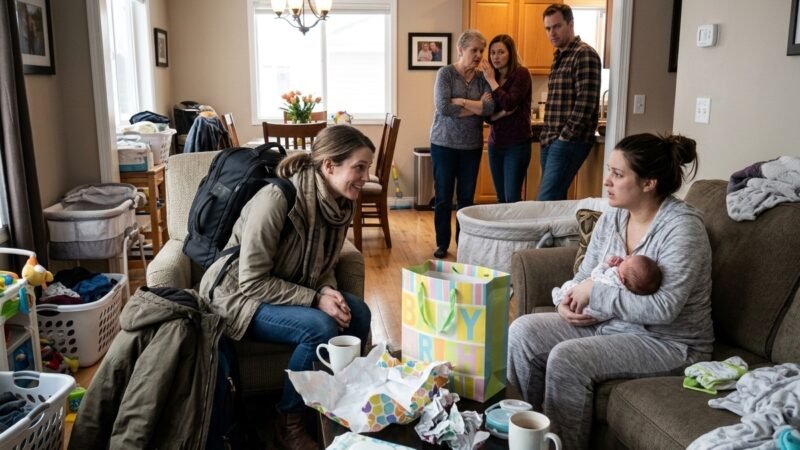
Husband Asks For A Paternity Test After One Detail About Wife’s Ultrasounds Doesn’t Add Up
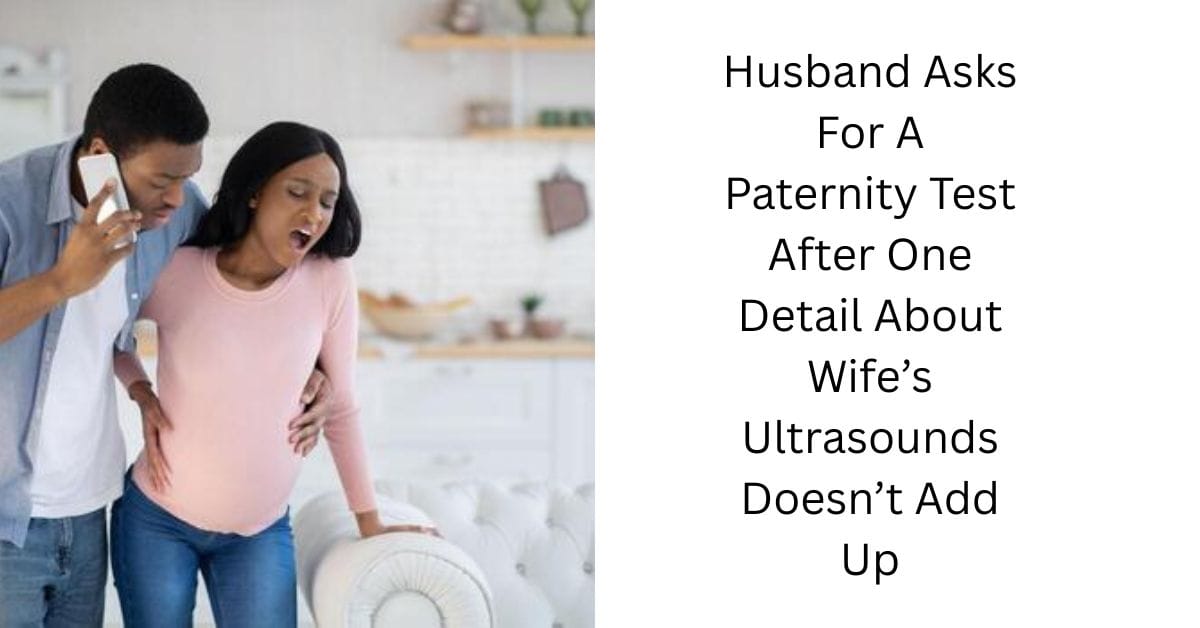
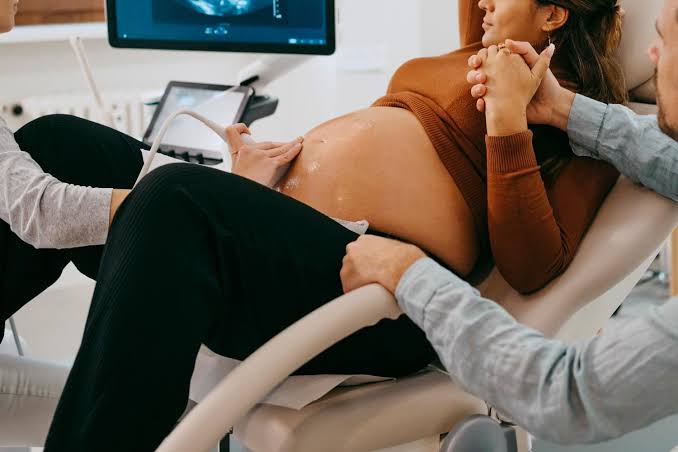
The excitement surrounding the couple’s first pregnancy quickly turned into quiet confusion after the husband noticed something he couldn’t easily explain. Throughout the pregnancy, his wife eagerly shared updates from every prenatal appointment, bringing home ultrasound images that she carefully placed in a scrapbook for their growing family. At first, he admired her enthusiasm, but as the months passed, he realized that several of the ultrasound printouts looked unusually similar despite being taken weeks apart. The dates on the images seemed inconsistent, and some measurements appeared to repeat in ways he didn’t expect. Unsure whether he was misunderstanding the medical information or overlooking something obvious, he began comparing the scans more closely. The more he looked, the more questions surfaced, leaving him torn between trusting his wife completely and addressing the growing doubts in his mind.
Unable to ignore the uneasy feeling, the husband quietly sought advice from a close friend who worked in healthcare. Without jumping to conclusions, the friend explained that ultrasound images can sometimes look alike depending on the baby’s position and the stage of pregnancy, but the unusual date formatting and repeated details were worth asking about. Instead of confronting his wife immediately, the husband spent several sleepless nights debating what to do. He feared that accusing her unfairly could permanently damage their marriage, yet staying silent while his concerns continued to grow felt equally impossible. Eventually, overwhelmed by uncertainty rather than anger, he admitted that he wanted a paternity test once the baby was born—not because he wanted to end the relationship, but because he desperately needed reassurance before becoming a father.
Wife Finally Explains The Ultrasound Mystery
His request landed like a shock. His wife was deeply hurt, insisting that she had never been unfaithful and that the confusion surrounding the ultrasound images had a perfectly reasonable explanation. She revealed that the clinic had reprinted several scans after the originals were damaged, which explained why some copies looked nearly identical and carried updated print dates instead of the original appointment dates. She also reminded him that pregnancy records often contain technical information that can easily be misunderstood by someone without medical training. Although her explanation answered many of his concerns, the emotional damage had already been done. What had started as a simple observation about a few ultrasound printouts had grown into a crisis of trust, forcing both of them to confront how fragile confidence can become when fear and assumptions replace honest communication.
Advertisement
Read Story…
I (28M) asked my wife (27F) for a paternity test on our unborn child and ever since she has gone through several reactions?
My wife and I have been together for 10 years. We have been married for two. Baby was planned. I was excited at first to be a dad, but quickly started to get a bad feeling. She had two early ultrasounds that I could not attend because of work, which was discussed ahead of time and she told me she would rather I get paid and then take a day off (paid) for the anatomy scan. A couple of days after the first scan she took my phone to work with her and left me with hers. At first I didn’t realize and I saw she had texted her guy friend, who is technically only supposed to be a friend because he’s dating her bestie, and shared the scan picture with him before she texted it to me. I also saw they had texted a lot but didn’t read them all. I tried to shake it off and left the phone alone after that. I was doing good at convincing myself there was nothing to worry about.
But then she left her phone at home another day and it was ringing constantly so I answered it. There was a guy on the other side who hung up the second he realized I wasn’t her. The name was unfamiliar so I wasn’t sure what that was about but he sent a text a few minutes later and it made me suspicious so I looked. I then realized it was the same contact she sent the scan picture to. The name was changed and they had texted since then. She sent him the second scan picture and then I saw he had brought her to both scans. She told me she went alone so I was like wtf. Their texts weren’t really flirty or outright screaming affair but there were a lot of them and the recent ones were strange. The last one was freaking out that I answered her phone and another from her was freaking out that I had her phone when she took mine that other day.
I asked my wife about it when she got home and she got mad at me for going through her phone. She refused to answer because I had looked. I sat on it for the rest of that day and the next morning I told her I wanted a paternity test. I expected her to be mad, which she was, and she told me if I didn’t trust her I could leave. I told her I wanted the test regardless and she said no. Then a few days later she said fine but accept our marriage is over. I told her okay. But the test was being done. Then she asked me if I had calmed down yet and was I ready to get over this. I told her I still wanted to do the test. She asked me why and she told me she was sorry for lying and sorry for changing the guys name but she didn’t want me to be uncomfortable with another man taking her. I asked why change his name though. I said it made no sense unless she was hiding something. She claimed she wasn’t thinking straight. I agreed to meet her to discuss it more and said we needed to discuss the guy too.
She brought him, and he wasn’t the friends boyfriend, when we met up and he was clearly very awkward about it. He left after a few minutes. She told me she hoped that was enough to put this to rest and I told her I would still need that test. She told me she would never cheat and she couldn’t believe I would deny the baby we planned. I told her I needed to be sure because the whole thing was weird. She has been pleading with me since to trust her and not to do this.
I still want the test. The baby could be mine. I’m not denying that fact. But I still think something is weird about this whole thing. She’s really trying to make this marriage work but I don’t know what to do if the test shows the baby is mine because I can’t say she’s cheated but this has rattled us. Her reluctance to do the test as well is playing on my mind. The very last time we talked she said we would do it. But I’m not sure what the future holds. I know this is a very big thing and asking is marriage ending either way.
A Difficult Conversation Changed Everything
The conversation that followed was one of the most difficult either of them had ever experienced. His wife couldn’t understand how a few confusing ultrasound printouts had led her husband to question the baby’s paternity. She admitted feeling betrayed, explaining that she had trusted him completely throughout the pregnancy. Meanwhile, he tried to explain that his doubts had not appeared overnight. Instead, they had grown slowly as he noticed details he couldn’t make sense of. He apologized for allowing fear to replace honest communication, but he also admitted that pretending everything was fine had become impossible.
Advertisement
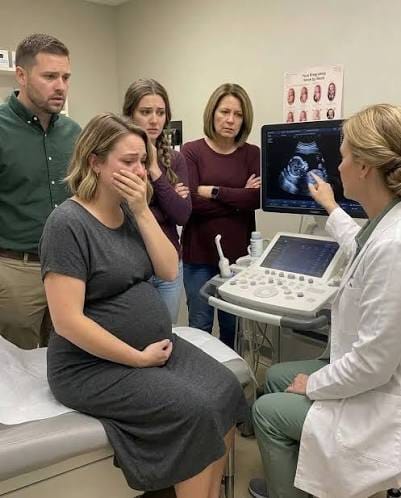
Rather than continuing to argue, they agreed to contact the clinic together. A staff member patiently reviewed the medical records and explained that ultrasound machines often print replacement images when originals are lost, damaged, or fail to print correctly. The technician also pointed out that the formatting on the scans had changed after the clinic updated its software midway through the year. What had looked suspicious to someone unfamiliar with medical records was actually a routine administrative change.
Although the explanation made sense, it didn’t erase the emotional pain. His wife wondered why he had trusted internet forums and his own assumptions more than he trusted her. She questioned whether he would continue doubting her whenever something unexpected happened in their marriage. Those questions were far harder to answer than anything the clinic had explained.
The husband admitted that becoming a father had brought out fears he had never experienced before. He worried about failing as a parent and about making life-changing decisions without absolute certainty. Instead of sharing those insecurities, he had buried them until they emerged as suspicion. Looking back, he realized that his silence had allowed his imagination to create scenarios that had little connection to reality.
Their families eventually learned about the disagreement. While some relatives believed the husband had a right to seek reassurance, others felt he had deeply insulted his wife by questioning her loyalty without solid evidence. Family gatherings became awkward, with everyone offering opinions that only increased the tension between the couple.
As the baby’s due date approached, both of them focused on preparing the nursery instead of revisiting the argument. Painting the walls, assembling furniture, and organizing tiny clothes reminded them why they had been so excited in the first place. For brief moments, the joy of expecting a child pushed the conflict into the background.
Even so, trust doesn’t rebuild overnight. His wife found herself hesitating before sharing updates from doctor appointments, worried that every detail might be questioned. The husband noticed the distance growing between them and realized that earning back her confidence would require far more than saying he was sorry.
They Turned To A Counselor For Answers
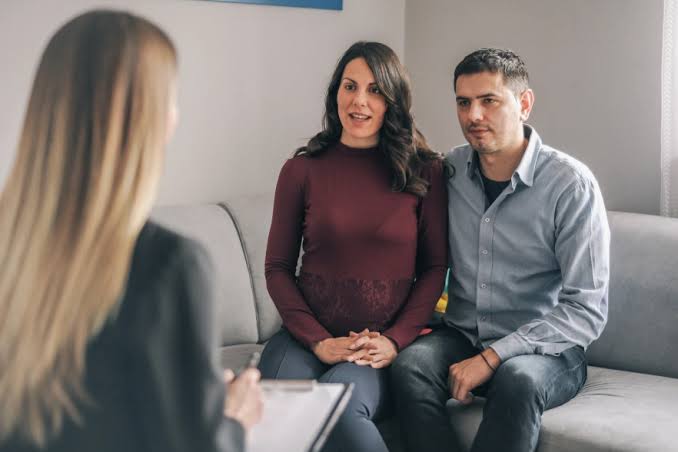
They decided to meet with a marriage counselor, who encouraged them to discuss not only the paternity test request but also the fears and expectations that had existed long before the pregnancy. During those sessions, they discovered that many of their arguments stemmed from misunderstandings rather than dishonesty. Learning to listen without immediately assuming the worst became an important step forward.
When the baby was finally born, both parents were overwhelmed with emotion. Holding their newborn together reminded them that this tiny life deserved a home built on honesty and respect. The arrival of their child shifted their priorities away from proving who was right and toward becoming the best parents they could be.
The paternity test was eventually completed because both agreed it would end the lingering uncertainty once and for all. They promised each other that, regardless of the result, they would face the future with openness instead of resentment. Waiting for the outcome was stressful, but neither wanted unanswered questions to continue affecting their family.
When the results arrived, they confirmed that the husband was indeed the biological father. Relief washed over him almost instantly, but it was accompanied by guilt. He realized that while the test had answered one question, it had also exposed a much larger issue—the fragile state of trust within their marriage.
He offered a sincere apology, acknowledging that facts alone could never repair the hurt he had caused. His wife accepted his apology, though she admitted that forgiveness would take time. Rebuilding confidence meant consistently choosing honesty, patience, and understanding instead of letting fear dictate their actions.
Months later, the couple reflected on the experience with a very different perspective. They recognized how easily uncertainty can spiral into suspicion when communication breaks down. They also understood that asking difficult questions isn’t wrong, but the way those questions are asked can determine whether they strengthen or damage a relationship.
Their story eventually became a reminder for friends and relatives facing similar situations. Rather than encouraging people to jump to conclusions based on incomplete information, they urged others to seek professional explanations first and to have calm, respectful conversations before making accusations that could permanently affect a relationship.
Looking back, both agreed that the ultrasound images had never been the real problem. The real challenge had been learning how to navigate fear, uncertainty, and vulnerability together. While the misunderstanding had nearly driven them apart, it also taught them that lasting relationships depend not on never having doubts, but on facing those doubts with honesty, empathy, and a willingness to communicate before trust is broken.