Homeowner Faces $5,000 Plumbing Damage From Housekeeper’s Kitty Litter Mistake
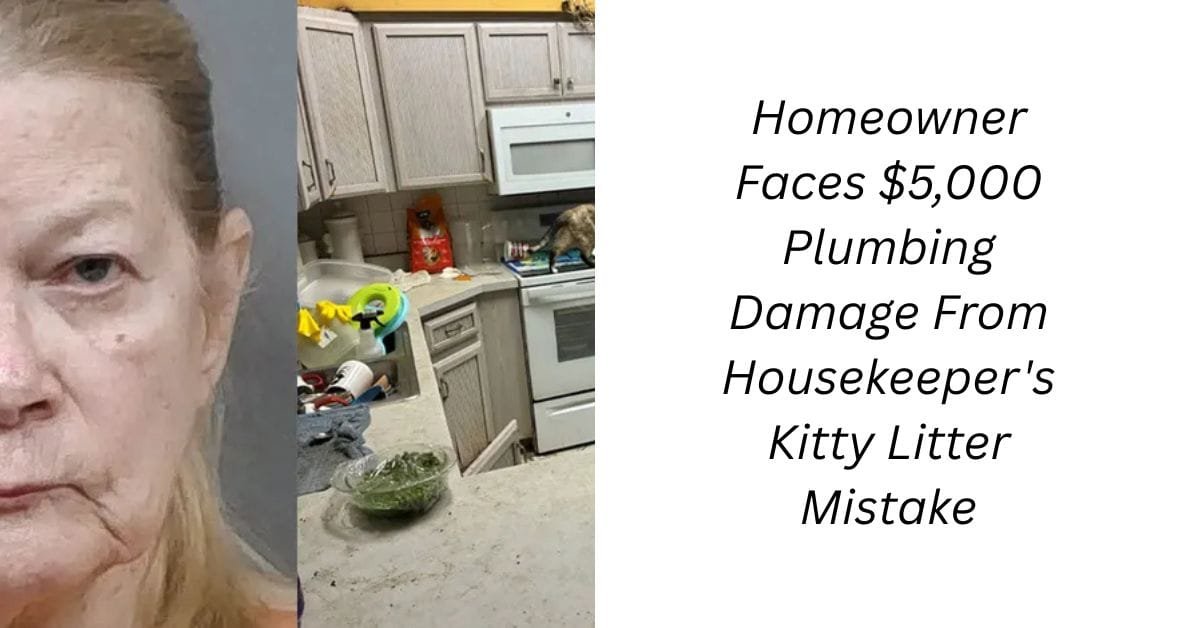
Thirty-eight-year-old Amanda had always taken great pride in keeping her home clean, organized, and well-maintained. She worked long hours during the week, so she hired a housekeeper named Carla to come twice a week and handle the cleaning she did not have time for. Amanda had been using Carla’s services for more than a year and had generally been satisfied with her work. Carla was reliable, friendly, and usually paid close attention to details. Because of that history, Amanda trusted her enough to give her access to the house even when she was not home. Amanda also had a cat named Milo, and she kept his litter box in a small laundry room near the back of the house. She had always been very specific about how the litter should be handled. The used litter was supposed to be placed in a sealed garbage bag and put into the outdoor trash bin. She had never wanted it flushed down the toilet because she knew that ordinary plumbing systems were not designed to handle large amounts of cat litter. Amanda had mentioned this several times, especially because some types of litter expand when they come into contact with water. She never imagined that a simple cleaning task would eventually lead to thousands of dollars in plumbing damage.
One afternoon, Amanda returned home after work and immediately noticed something unusual. The housekeeper had finished cleaning earlier that day, and the home looked spotless. At first, Amanda was pleased. However, when she went to use the downstairs bathroom, the toilet seemed to flush more slowly than usual. She tried flushing it again, but the water began rising instead of draining normally. Amanda stopped immediately and decided not to use the toilet again. She checked the other bathrooms and noticed that they were also draining slowly. A few minutes later, she heard a strange gurgling sound coming from one of the drains. Amanda became concerned because she had never experienced a plumbing problem like this before. She contacted a plumber, expecting that it would be a simple blockage that could be cleared quickly. Instead, the plumber told her that there appeared to be a much larger obstruction somewhere in the home’s drainage system. He asked whether anything unusual had recently been flushed down the toilets. Amanda immediately thought about the housekeeper and the cat litter.
When Amanda contacted Carla, she asked whether she had done anything differently while cleaning the litter box. Carla initially said no and explained that she had simply cleaned it as usual. Amanda then asked specifically whether any litter had been flushed down the toilet. After a long pause, Carla admitted that she had flushed some of the used litter because she had run out of garbage bags. She said she believed flushing it would be easier and assumed that a small amount would not cause any problems. Amanda was shocked. She reminded Carla that she had specifically instructed her never to flush the litter. Carla apologized and said she had not realized that the litter could cause serious plumbing issues. She believed the problem would eventually clear itself. Unfortunately, the plumber’s inspection showed that the situation was much worse than either woman initially expected.
The plumber discovered that a large amount of compacted litter had traveled into the plumbing system and contributed to a significant blockage. Because cat litter can absorb water and expand, the material had become dense and difficult to remove. The blockage was affecting several drains throughout the house rather than just one toilet. The plumber explained that removing the obstruction would require specialized equipment and potentially several hours of labor. He also warned Amanda that if the blockage had caused damage farther into the drainage system, parts of the plumbing might need to be repaired or replaced. Amanda was extremely frustrated because she had never experienced anything like this before. She had paid for regular professional cleaning specifically because she wanted to keep her home in good condition, and now she was facing a major repair bill because a simple instruction had been ignored.
The initial estimate shocked Amanda. The plumber told her that the total repair could cost around $5,000 depending on what they discovered once they opened the affected sections of the plumbing. Amanda immediately began worrying about the financial consequences. She had some emergency savings, but spending $5,000 on an avoidable plumbing problem was something she had never planned for. She also worried about the possibility of additional damage if the blockage was not fixed quickly. She asked Carla whether she had insurance that might cover accidental damage caused while working. Carla said she did not have business insurance and became visibly nervous when Amanda mentioned the repair estimate. She apologized again and said she had never imagined that flushing litter could cause such a serious problem.
Amanda was torn about how to handle the situation. On one hand, she understood that Carla had made a mistake rather than intentionally damaging the property. On the other hand, Amanda had clearly explained how the litter needed to be disposed of, and Carla had ignored those instructions. Amanda felt that it was unfair for her to carry the entire financial burden for something that happened because of a decision made by the housekeeper. She asked Carla whether she was willing to contribute toward the repair cost. Carla said she could not afford thousands of dollars and offered to pay a smaller amount over time. Amanda appreciated the offer but was unsure whether it would be enough to cover the damage.
The situation became even more complicated when Amanda reviewed their previous conversations and found a message where she had specifically written that cat litter should never be flushed. She had sent the message after Carla had asked where the litter disposal bags were located. The instruction was clear and had been acknowledged by Carla at the time. Amanda now felt that this was not simply a misunderstanding. Carla had known the correct procedure but had decided to do something different because she ran out of bags. Amanda told her that accidents happen, but ignoring a clear instruction that could have prevented expensive damage was a serious matter. Carla apologized again and said she was embarrassed by the entire situation. She explained that she had been rushing that day because she had another house to clean and thought flushing the litter would save time.
The plumber eventually completed the repair work after finding that the blockage had caused damage to part of the drainage system. The final bill came close to the original $5,000 estimate. Amanda was relieved that the plumbing was working again, but she was upset about the amount of money she had to spend. She paid the bill because she needed the repairs completed immediately, but she decided that she could not simply forget what had happened. She considered whether she should ask Carla to reimburse the full amount, but she knew that Carla did not have the financial ability to do so. After thinking about the situation, Amanda decided to ask Carla to contribute a reasonable portion and to discuss a payment plan for the rest.
Carla agreed to contribute what she could and offered to make monthly payments. Amanda accepted the arrangement because she believed it was better than demanding an amount Carla could never realistically afford. However, Amanda also decided that their professional relationship had changed. She no longer felt comfortable leaving Carla alone in the house without clear instructions about tasks involving appliances, plumbing, or other potentially expensive systems. She created a written list of household rules and explained that anything involving toilets, drains, chemicals, or electrical equipment needed to be handled exactly as instructed. Carla understood and promised that she would never repeat the mistake.
The incident also taught Amanda an important lesson about trusting service providers. She realized that even someone who had worked in her home for more than a year could make a careless decision that resulted in serious damage. She did not believe Carla was a bad person, and she did not think the mistake was intentional. At the same time, Amanda believed that responsibility mattered. When someone is hired to work inside another person’s home, they have an obligation to follow reasonable instructions, especially when those instructions are specifically designed to prevent damage. Amanda decided that in the future, she would provide written instructions for anything that could create a major safety or financial problem.
Eventually, the relationship between Amanda and Carla became professional rather than personal. Carla continued working for her for a short period while making payments toward the repair, but Amanda eventually decided to hire someone else. She explained that the decision was not about anger or revenge. She simply no longer felt comfortable trusting Carla with certain responsibilities. Carla accepted the decision and apologized one final time. Amanda also admitted that she wished she had been more proactive about confirming that Carla had enough disposal bags available before leaving her alone with the cat’s litter box.
Looking back, Amanda knew that the $5,000 plumbing bill had been painful, but she tried to treat the experience as a lesson rather than allowing it to consume her. She realized that small household tasks can sometimes have unexpectedly expensive consequences when they are handled incorrectly. The situation also reminded her that clear communication and written instructions can prevent misunderstandings. While she never expected a routine cleaning visit to end with a major plumbing repair, she was grateful that the damage had been discovered before it became even worse. For Amanda, the biggest lesson was simple: when it comes to plumbing, something that seems harmless to flush can become a very expensive mistake.
Read Story…
AITA for suing my housekeeper?
I’ve had a housekeeper for the past two months, i’ve never had any problems with her until now, she does as told, never underperforms or overperforms.
Recently I went on vacation and left her in charge of my cat, when I came back, my bedroom and bathroom were flooded with dirty toilet water. Plumber determined that the cause was her flushing outrageous amounts of kitty litter down my toilet. She completely denied noticing any flooding but admitted to flushing “a little cat poo” down the toilet, which was not exactly the case.
I’m now looking at $5,000 to repair the plumbing system, not including potential mold and damage to my belongings. Would it be unreasonable to sue her for property damage?
I could understand if she had just flushed cat poo but clearly she was dumping the whole litter box into my toilet, which is completely negligent and far beyond common sense. AITA for wanting to sue?
Edit: Would it be more reasonable to ask her to pay outside of court? She is also going through a divorce and probably doesn’t have too much money to her name but could definitely afford $5000 if the court made her. We rent and don’t have home insurance.
Amanda Trusts Her Housekeeper, Never Expecting a Simple Kitty Litter Mistake to Cost Thousands of Dollars
Thirty-eight-year-old Amanda had always taken great pride in keeping her home clean, comfortable, and well-maintained. She worked long hours during the week, so she had hired a housekeeper named Carla to help with cleaning twice a week. Carla had been working for Amanda for more than a year, and their relationship had generally been positive. She was punctual, polite, and usually careful with Amanda’s belongings. Because Amanda trusted her, she had given Carla a key and allowed her to clean the house even when she was away at work. Amanda also had a cat named Milo, whose litter box was kept in a small laundry room. She had always been very particular about how the litter should be handled. Used litter was supposed to be placed in a garbage bag, sealed properly, and taken to the outdoor trash bin. Amanda had explained that it should never be flushed down the toilet because it could cause serious plumbing problems. She never imagined that this simple instruction would eventually cost her thousands of dollars.
Amanda’s cat had been part of her household for several years, so cleaning the litter box was a normal part of the housekeeper’s responsibilities. Amanda always kept extra garbage bags nearby specifically for this purpose. She assumed Carla understood the routine because they had discussed it several times. There had never been an issue before, and Amanda had no reason to believe that Carla would suddenly change the way she handled the litter. In fact, Amanda considered the matter so ordinary that she rarely thought about it after explaining the instructions. She trusted Carla to take care of small household tasks responsibly.
One afternoon, Amanda returned home from work and immediately noticed that something seemed wrong. The house looked clean, but when she used the downstairs bathroom, the toilet flushed very slowly. She tried again, but the water began rising toward the rim. Amanda stopped flushing and waited for the water level to drop. A few minutes later, she noticed that the bathroom sink was also draining slowly. Then she heard an unusual gurgling noise coming from another drain. She became concerned because the problem seemed to involve more than one fixture.
Amanda called a plumber and expected that the problem would be a relatively simple blockage. However, after inspecting the plumbing, the plumber told her that there appeared to be a large obstruction somewhere deeper in the drainage system. He asked whether anything unusual had recently been flushed down one of the toilets. Amanda immediately thought about Milo’s litter box. She remembered that Carla had cleaned it earlier that day, so she contacted her housekeeper and asked what she had done with the used litter.
At first, Carla insisted that she had disposed of it normally. Amanda then asked whether she had run out of garbage bags. Carla became quiet before finally admitting that she had flushed some of the litter down the toilet. She explained that she had run out of bags and was in a hurry to finish cleaning. She thought flushing the litter would be easier and believed that the small amount she had used would not cause any serious problems.
Amanda was stunned. She reminded Carla that she had specifically told her never to flush the cat litter. Carla apologized and said she had not understood how dangerous it could be for the plumbing. She claimed that she had flushed similar amounts before in other places without causing problems. Amanda told her that different plumbing systems could react differently and that she had given a clear instruction for a reason.
The plumber’s inspection revealed that the situation was much worse than Amanda expected. The litter had absorbed water and contributed to a dense blockage inside the drainage system. Because the material had traveled farther into the pipes, simply plunging the toilet would not solve the problem. The plumber needed specialized equipment to locate and remove the obstruction. He also warned Amanda that some sections of the plumbing might have been damaged by the blockage.
Amanda was shocked when the plumber provided an estimated repair cost of approximately $5,000. She had expected to pay for a routine service call, not a major plumbing repair. She immediately began worrying about how she would cover the expense. She had savings set aside for emergencies, but she did not want to spend thousands of dollars fixing damage that could have been prevented by following one simple instruction.
Carla was extremely embarrassed when she heard the estimate. She repeatedly apologized and insisted that she had never intended to cause damage. Amanda believed her. She did not think Carla had deliberately tried to harm the house. However, Amanda also felt that an accident did not completely remove responsibility, especially because Carla had known that the litter was not supposed to be flushed.
The two women discussed whether Carla should help pay for the repair. Carla explained that she could not afford to pay $5,000 at once. Her own finances were limited, and she said that such a large bill could create serious problems for her. She offered to contribute a smaller amount and make monthly payments. Amanda was frustrated but understood that demanding the entire amount immediately might be unrealistic.
Before making a final decision, Amanda looked through her old messages with Carla. She found a conversation in which she had specifically written that cat litter must never be flushed. She had even explained that she wanted the used litter placed in a sealed garbage bag. Carla had acknowledged the instructions at the time. Finding that message made Amanda feel even more disappointed because it confirmed that the rule had been clearly communicated.
Carla admitted that she had known about the rule but had ignored it because she was rushing. She said she had another cleaning appointment that afternoon and did not want to leave the litter sitting around. She believed flushing it would take only a few seconds and would save her time. Amanda told her that saving a few minutes was not worth creating thousands of dollars in damage.
The plumber eventually completed the necessary repairs. He removed the blockage and replaced a damaged section of pipe. The final bill was close to $5,000. Amanda was relieved that her plumbing was working again, but seeing the amount on the invoice made her angry all over again. She knew that the damage had resulted from one careless decision that could easily have been avoided.
Amanda decided to accept Carla’s offer to contribute rather than demand the entire amount immediately. They agreed on a payment plan that Carla could realistically manage. Amanda felt that this was a fair compromise because Carla had acknowledged her mistake and was willing to take some responsibility. At the same time, Amanda knew she would never recover all of the money she had spent.
The incident also changed Amanda’s relationship with Carla. Before the plumbing problem, Amanda had trusted her enough to leave her alone in the house. Afterward, she became more cautious. She realized that even someone she had trusted for more than a year could make a careless decision that created serious financial consequences.
Amanda began writing down instructions for household tasks that could potentially cause expensive damage. She created a simple list explaining what could and could not be flushed, which cleaning products should be used on different surfaces, and which appliances should never be handled without permission. She did not want to micromanage future workers, but she wanted to eliminate any possibility of confusion.
Carla understood why Amanda had become more cautious. She continued apologizing and promised that she had learned an important lesson. She also admitted that she had underestimated how quickly a small mistake could become a major problem. Amanda accepted her apology but told her that trust would take time to rebuild.
Eventually, Amanda decided to stop using Carla as her regular housekeeper. The decision was not made out of revenge. Amanda simply felt that their working relationship had changed too much. She needed someone who would follow household instructions carefully, especially after an expensive mistake involving the plumbing.
Carla was disappointed but accepted the decision. She thanked Amanda for allowing her to make payments rather than demanding the entire repair cost immediately. She also promised that she would never again flush cat litter or any other inappropriate material down a toilet. Amanda hoped that the experience would help Carla become more careful in future jobs.
Looking back, Amanda did not believe the incident meant that Carla was a terrible person. She believed it was a careless mistake made under pressure. However, she also learned that good intentions do not erase consequences. When someone is working inside another person’s home, even small decisions can have expensive results.
The $5,000 repair also taught Amanda to be more proactive. She realized that simply telling someone a rule once was not always enough. In the future, she planned to make important instructions clear in writing and ensure that workers had everything they needed to complete their tasks properly. In this case, keeping extra garbage bags available might have prevented the entire situation.
Most importantly, Amanda learned that household maintenance often depends on small habits that people take for granted. Something as simple as disposing of cat litter incorrectly can create a serious plumbing problem. What looked like a quick shortcut had ended up costing thousands of dollars and damaging a professional relationship.
In the end, Amanda was grateful that the problem had been discovered before it caused even more extensive damage. She still considered the $5,000 bill painful, but she tried to view the experience as an expensive lesson. She learned to communicate expectations clearly, protect her property, and recognize that trust should always be supported by responsibility. For Amanda, the biggest lesson was simple: when it comes to plumbing, taking a shortcut can sometimes turn a tiny household task into a very expensive mistake.