My Partner Treated My Debit Card Like Their Personal Food Budget, So I Finally Spoke Up
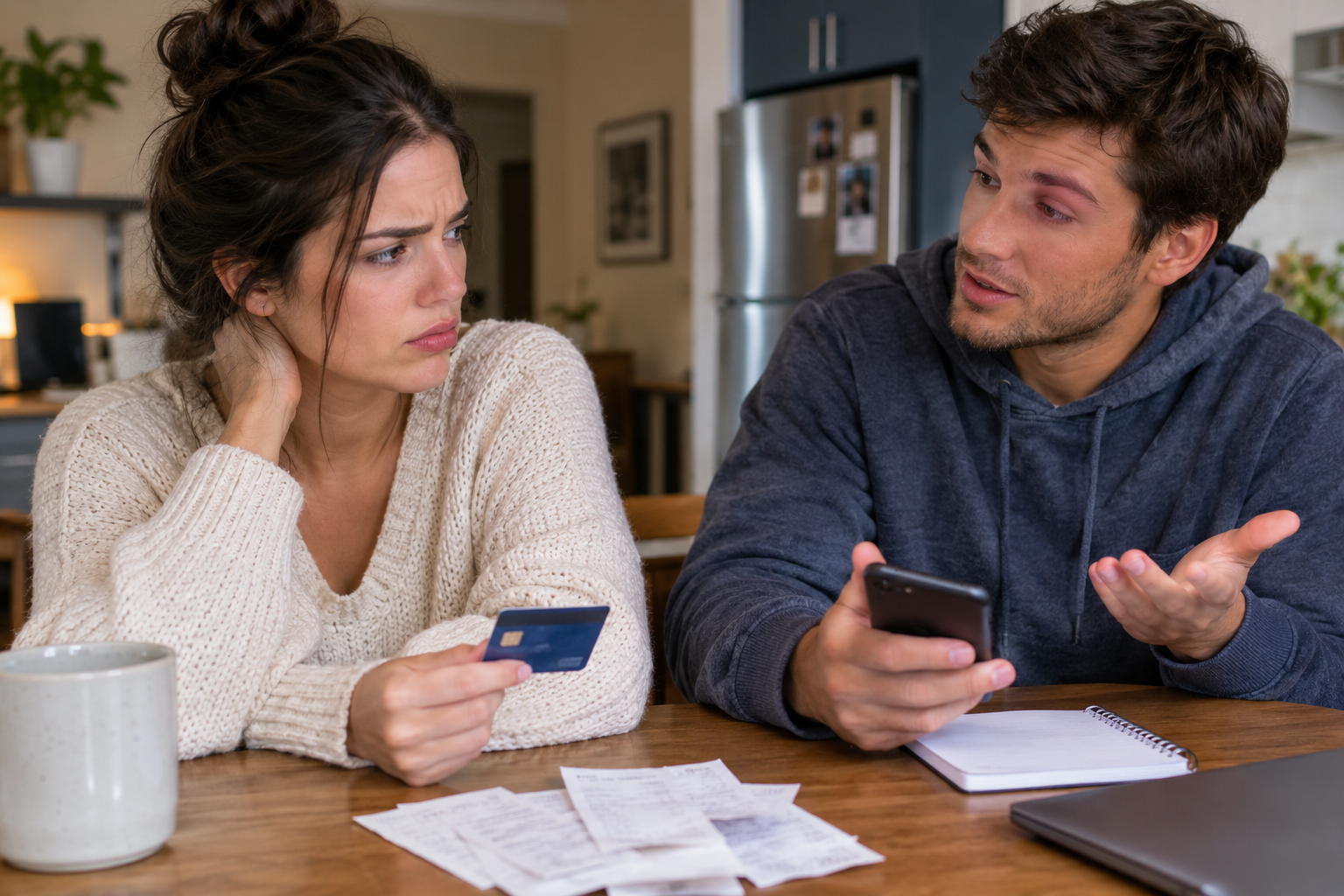
I never imagined that something as simple as asking my partner to pay me back would turn into such a serious argument in our relationship. I have always believed that money can be a sensitive subject between couples, especially when they share a home, responsibilities, and plans for the future. I do not expect every expense to be divided perfectly down the middle, and I have never minded helping my partner when they genuinely need it. However, there is a difference between helping someone and having them spend your money without considering how it affects you. Over the past couple of weeks, my partner had been using my debit card to order Uber Eats almost every day, and when I finally asked them to reimburse me, they acted as though I had done something terrible.
For some background, my partner and I have been together for a while, and our relationship has generally been good. Like most couples, we have disagreements from time to time, but we usually manage to work through them by talking things out. We both have our own financial responsibilities, although we occasionally help each other when necessary. I am reasonably careful with my spending because I have bills, savings goals, and other expenses that I need to manage. I enjoy ordering food occasionally, especially when we are both tired after a long day, but I do not make a habit of paying delivery fees and restaurant prices every single day. Cooking at home is usually much cheaper, and I prefer to keep unnecessary expenses under control.
The problem started when my partner began ordering food through Uber Eats more frequently than usual. At first, I did not think much of it because we sometimes ordered dinner together, and I was happy to contribute to meals we both enjoyed. On a few occasions, my partner used my debit card because it was already saved in the app, and I did not immediately object. I assumed these orders were occasional conveniences rather than something that would become a regular habit. However, over the following days, I noticed that food deliveries were arriving almost every evening. Sometimes the orders were for both of us, but other times my partner ordered food for themselves while I ate something I had prepared at home.
After about a week, I checked my bank account and realized how frequently the charges had been appearing. There were multiple Uber Eats transactions, and when I added them together, the total was much higher than I had expected. Each individual order might not have seemed particularly expensive, but the repeated charges had started to make a noticeable difference. I was frustrated because I had not agreed to cover my partner’s daily food deliveries. I understood that ordering takeout was convenient, especially when someone was tired or did not feel like cooking, but convenience did not mean the expense should automatically become my responsibility. I decided to wait until we were both relaxed before bringing it up because I did not want a conversation about money to turn into an unnecessary fight.
One evening, while we were sitting together at home, I brought up the transactions. I explained that I had noticed my debit card was being used for Uber Eats almost every day and that the charges had added up more quickly than I expected. I asked my partner if they could pay me back for the orders that I had not agreed to cover. I tried to keep my tone calm because I was not looking for an argument. I simply wanted to discuss what had happened and establish a clear understanding about money going forward. I expected my partner to acknowledge the situation, perhaps explain why they had been ordering so frequently, and work with me on a reasonable solution.
Instead, my partner immediately became defensive. They asked why I was suddenly making such a big deal out of food and pointed out that we were in a relationship. According to them, couples should be willing to help each other without keeping track of every little expense. I explained that I agreed with helping each other, but I did not think that meant one person could repeatedly use the other’s debit card without discussing the cost. I also pointed out that some orders had been placed for my partner alone, so it was unfair to assume that I should automatically pay for everything. My partner responded that I was acting selfishly and making our relationship feel transactional. That accusation hurt because I had never intended to make our relationship about money.
The argument became more uncomfortable when I explained that I was not asking for reimbursement because I regretted sharing a meal with my partner. I was asking because the spending had become a pattern, and I had never agreed to fund daily food deliveries. I told them that if we wanted to order food together, we could discuss the cost beforehand and decide how to split it. If my partner wanted to order something just for themselves, they could use their own card or ask me before using mine. I thought these were reasonable boundaries, but my partner seemed offended by the idea that they needed permission. They argued that since we were together, I should trust them instead of questioning every transaction. I replied that trust also meant respecting each other’s money and being honest about expenses.
Since that conversation, things have been tense between us. My partner has acted as though I embarrassed them by asking for my money back, while I have been wondering whether I should have handled the situation differently. I understand that nobody wants to feel as though their partner is keeping a financial scorecard, and I do not want money to become a constant source of conflict in our relationship. At the same time, I do not think it is fair for my debit card to become an unlimited source of money for food deliveries simply because we are dating. I would have been much less upset if my partner had discussed the orders with me, acknowledged the total, or offered to repay me without turning the conversation into a personal attack.
Now I am questioning whether I was unreasonable for asking my partner to reimburse me for the Uber Eats orders. On one hand, I understand that relationships involve generosity, compromise, and helping each other without expecting something in return every time. I do not want to become the kind of partner who argues over every small purchase. On the other hand, there is a difference between voluntarily treating someone and having your money used repeatedly without a clear agreement. I never said my partner could not order food, and I never demanded that we stop enjoying meals together. I simply wanted them to respect my financial boundaries and take responsibility for the expenses they chose to make. AITA for asking my partner to pay me back after they treated my debit card like their personal Uber Eats budget for the past couple of weeks?
Read Story…
AITAH for asking for money back after my partner used my card to order Uber Eats daily for the past couple of weeks?
So a few weeks back I (36M) deleted my credit card from the Uber Eats account my partner (36F) uses. To cut to the chase the spending was too much. Around £30 a time almost every weekday.
I told her I couldn’t afford to be paying so much every month and would be deleting my card from the account.
Yesterday I got my latest statement and noticed that she had re-added my card and there was a whole bunch of transactions to Uber Eats.
I checked the actual UE account and there’s pretty much McDonald’s orders every day of around £30 going back to the day after I had removed my card.
I’ve told her that I expect to be transferred the entirety in time for the payment to be made on the 20th.
She’s saying I’m being unreasonable and that I can just pay the minimum payment.
For clarity, she works from home, I don’t. So, by the time I get back there’s no packaging/evidence to indicate any deliveries have been made.
Update : So I’ve only gone home to grab some essentials and am not staying there temporarily.
I’ve told her I’m not backing down and expect full reimbursement by the 20th or I will be reporting it, and have also explained that my colleague said she’s fully prepared to give a statement that I was at work when the card was used if necessary.
I will be telling her to leave, but am biding my time to see whether she pays me first.
When Asking for My Money Back Turned Into a Relationship Argument
I never expected that asking my partner to pay me back for food deliveries would turn into such a serious argument. I have always believed that money can be a sensitive subject in relationships, especially when two people care about each other and want to build a future together. I do not mind helping my partner when they genuinely need support, and I have never expected every expense to be divided perfectly down the middle. However, I believe there is a difference between voluntarily helping someone and having them repeatedly spend your money without properly discussing it. For the past couple of weeks, my partner had been using my debit card to order Uber Eats almost every day, and when I finally asked for reimbursement, they acted as though I had betrayed them.
For some background, my partner and I have been together long enough to understand each other’s habits and personalities. Our relationship has generally been good, and although we occasionally disagree, we usually manage to resolve things through conversation. We both have our own responsibilities and expenses, and we try to support each other whenever possible. I am relatively careful with money because I have bills to pay, savings goals to maintain, and other financial commitments that require planning. I am not someone who refuses to spend money on enjoyable experiences, but I prefer to make sure my spending is intentional rather than letting small purchases accumulate until they become a bigger problem.
My partner, on the other hand, enjoys the convenience of ordering food. They often say that cooking takes too much time and that getting something delivered makes life easier after a long day. I understand that feeling because there are evenings when I am tired and would rather relax than prepare a meal. I also enjoy ordering takeout occasionally, particularly when we want to enjoy a meal together without worrying about cooking or cleaning afterward. The difference is that I usually consider the cost before placing an order. I try to balance convenience with my budget, while my partner tends to make these decisions in the moment without thinking too much about how frequently the expenses are occurring.
The situation began innocently enough. My partner had used my debit card to order food a few times, and I did not object because we were sometimes sharing the meals. My card details were already saved in the Uber Eats app, which made ordering easier. At first, I assumed this arrangement was simply a convenient way for us to get food when neither of us wanted to cook. I did not ask for repayment every time we ordered dinner together because I was happy to contribute to meals we both enjoyed. I also trusted my partner to understand that having my card saved in an app did not automatically mean they could use it for anything they wanted.
Over time, however, the frequency of the orders increased. What had originally been an occasional treat became something that happened almost every day. My partner would get home, mention that they were hungry, open Uber Eats, and begin browsing through restaurants. Sometimes they would ask whether I wanted anything, but other times they would place an order without discussing it with me first. I initially assumed that these were mostly shared meals, so I did not pay close attention to every transaction. I was busy with my own responsibilities and did not immediately realize how much money was being spent. Looking back, I probably should have noticed the pattern earlier, but I had no reason to believe it would become such a source of conflict.
The first time I became suspicious was when I checked my banking app and noticed several Uber Eats transactions close together. I remembered ordering food with my partner a few times, but the number of charges seemed unusually high. I began scrolling through the transaction history and realized that deliveries had been paid for using my card repeatedly over the previous couple of weeks. The individual amounts did not always look alarming, but seeing them listed together made the total much more noticeable. I started wondering how many of those orders had been intended for both of us and how many had been placed solely for my partner. It was uncomfortable to realize that I had not been keeping track of spending that was coming directly out of my account.
I decided to review the transactions more carefully before saying anything. I did not want to accuse my partner of something without understanding the situation. I looked at the dates and amounts and tried to remember which meals we had shared. Some orders were clearly connected to evenings when we had eaten together, while others seemed to have been placed when I was busy or had already eaten. I could not remember agreeing to pay for every delivery, and I was increasingly uncomfortable with the assumption that my card was available whenever my partner wanted food. Even if we were in a committed relationship, I believed there should still be some communication about repeated expenses.
What frustrated me most was that the money had not been included in my budget. I had already allocated funds for groceries, bills, transportation, and savings. I was not suddenly unable to pay for my necessities, but the repeated food deliveries were reducing the money I had planned to use elsewhere. I also knew that ordering through delivery apps could be considerably more expensive than buying ingredients or picking up food directly. Between restaurant prices, delivery charges, service fees, and tips, the cost could add up quickly. I was not angry that my partner enjoyed takeout. I was upset that the decision to spend that money seemed to have been made for me without my agreement.
I waited until one evening when we were both at home and had some time to talk. I did not want to bring it up while my partner was hungry, stressed, or rushing somewhere. We were sitting together when I mentioned that I had noticed my debit card had been used for Uber Eats almost every day. I explained that I had gone through my banking transactions and realized the total was higher than I expected. I asked whether we could talk about the orders and work out repayment for the expenses that I had not agreed to cover. I deliberately kept my voice calm because I wanted to resolve the problem rather than turn it into a fight.
My partner immediately looked annoyed and asked why I was suddenly making such a big deal out of food. They said that we had been ordering meals together and suggested that I was exaggerating the situation. I acknowledged that some of the orders had been shared, but I explained that not every delivery had been for both of us. I was not asking to be reimbursed for meals I had willingly paid for as a treat. I was asking about the orders that had been placed for my partner without a clear agreement that I would cover them. I thought that distinction was straightforward, but my partner seemed to interpret the entire conversation as an accusation against them.
They then reminded me that we were partners and asked whether I really intended to start keeping track of every dollar we spent on each other. That comment made me uncomfortable because I had never suggested that we needed to calculate every little expense. I told them that I was perfectly happy to treat them to food sometimes and would continue helping when I could. However, treating someone voluntarily was different from having money taken from your account repeatedly without discussing it. I wanted us to have a mutual understanding rather than silently develop an arrangement that one person assumed was acceptable and the other person never agreed to.
My partner responded that couples should not behave like roommates splitting every bill. They argued that relationships were supposed to involve generosity and that asking for money back made the situation feel transactional. I understood their concern because I would not want my partner to feel that every kind gesture came with a price. Nevertheless, I felt they were ignoring the actual reason I had brought up the issue. I was not demanding repayment for every dinner we had shared or every time I had purchased something for them. I was asking them to take responsibility for expenses they had chosen to make using my money. To me, that was a question of fairness rather than a lack of affection.
The conversation became more heated when I explained that I had not given permission for my card to be used for daily personal food orders. My partner said that because the card was already saved in the app, they had assumed it was fine to use it. I asked how that assumption made sense when we had never agreed that my card would cover all their meals. They replied that I had not complained about the earlier orders, so they thought I did not mind. I could understand how my silence might have contributed to the misunderstanding, but I still believed that not objecting immediately was not the same as agreeing to pay for unlimited deliveries.
I admitted that I should probably have raised the issue earlier instead of allowing my frustration to build. If I had noticed the pattern sooner and explained my expectations clearly, perhaps we could have avoided some of the tension. However, I also felt that my partner had a responsibility to ask before repeatedly using my debit card. They knew it was my personal account, and they knew we had not established a shared food budget. I did not think it was unreasonable to expect them to check whether I was comfortable paying for an order, especially when they were ordering food for themselves rather than for both of us.
Instead of acknowledging that point, my partner accused me of being selfish. They said I seemed more concerned about money than about making them comfortable. Hearing that hurt because I genuinely care about them and want our relationship to work. I have helped them before without expecting anything in return, and I have never believed that love should be measured by who pays for dinner. I tried explaining that financial boundaries were not a rejection of the relationship. I wanted us to be able to trust each other with money, and that included being honest about spending and respecting each other’s accounts. Unfortunately, my partner appeared convinced that asking for reimbursement meant I did not care about them enough.
I asked whether they would feel comfortable if I used their debit card to order food every day for two weeks without checking first. I wondered how they would react if they opened their banking app and discovered a series of charges they had not planned for. My partner said that the situation was different because we were together and should be willing to share. I asked what exactly made it different if one person was making spending decisions on behalf of the other without asking. They did not give me a clear answer. Instead, they repeated that I was focusing too much on money and making a normal part of a relationship into a serious problem.
At that point, I realized we were not just disagreeing about food deliveries. We had different expectations about what sharing money in a relationship meant. I viewed financial generosity as something that should come from mutual understanding and choice. My partner seemed to believe that being together meant certain expenses could be placed on my account without needing an explicit conversation. Neither of us wanted to feel taken advantage of, but we were looking at the situation from completely different perspectives. I wanted to establish a reasonable boundary, while my partner appeared to interpret that boundary as a sign that I was unwilling to share my life with them.
I tried to bring the conversation back to the actual transactions. I explained that I wanted us to identify which orders had been shared and which had been for my partner alone. I suggested that we calculate a reasonable amount for the personal orders and agree on how to settle it. I was willing to be fair about the meals we had both enjoyed and did not want to charge my partner for something I had knowingly purchased for us. My partner, however, did not seem interested in reviewing the charges. They said that calculating everything would only make the relationship more stressful and that I should let the issue go rather than turn it into an accounting exercise.
I found that response frustrating because I was trying to solve the problem in a practical way. If the amount was genuinely insignificant, as my partner suggested, then discussing repayment should not have been such a major issue. I was not demanding an immediate payment that would leave them unable to afford their own necessities. I simply wanted them to recognize that the money had been spent and that I had not agreed to cover all those orders. I would have appreciated an apology or an offer to pay back a reasonable amount. Instead, the conversation kept returning to whether I was a generous enough partner, which made it difficult to resolve the original disagreement.
Eventually, I told my partner that I did not want this situation to happen again. I explained that they needed to ask before using my debit card for future orders and that I would no longer be comfortable leaving my card available in the app without clear boundaries. If we wanted to order food together, we could discuss the cost and decide who would pay. If my partner wanted to order a meal for themselves, they could use their own payment method. I did not think this was an extreme request. It seemed like a simple way to avoid future misunderstandings and ensure that both of us had control over our own finances.
My partner took that suggestion badly. They said that removing my card or restricting its use would make them feel as though I did not trust them. I explained that trust did not mean allowing someone to use my money however they wanted. Trust also involved knowing that the other person would respect my wishes and communicate honestly about spending. I was not trying to punish them or make ordering food more difficult. I simply wanted to make sure that my financial account was not being treated as a shared resource without an agreement. The fact that they saw a reasonable boundary as an insult made me wonder whether we had ever clearly discussed financial expectations at all.
After our argument, my partner became distant. They did not want to continue discussing the issue and acted as though I had deliberately embarrassed them by bringing it up. I gave them some space because I did not want to keep repeating the same points while we were both upset. At the same time, I could not shake the feeling that the situation had revealed something important about our relationship. I had expected a disagreement about spending to lead to a conversation about budgeting and fairness. Instead, it had become a question of whether I was selfish for wanting control over my own debit card. That left me feeling confused and disappointed.
I began thinking about all the previous times I had paid for things without asking for anything in return. I had bought meals, covered small shared expenses, and occasionally paid when my partner was short on money. I had done those things willingly because I cared about them, not because I expected every favor to be repaid. I did not regret those choices, and I did not want to start treating kindness like a financial contract. However, I realized that I had sometimes avoided discussing money because I worried that doing so would make me seem difficult. Perhaps my willingness to help had unintentionally created an expectation that I would always cover expenses without questioning them.
I also considered my partner’s perspective. They might genuinely have believed that the card was available for shared food expenses because I had allowed it to be used before. It was possible that they had not realized how frequently the charges were occurring or how much the total had grown. I did not want to assume that they had deliberately set out to take advantage of me. People can make careless assumptions, especially when routines develop gradually and nobody clearly explains their expectations. However, even if the situation started as a misunderstanding, I believed that my partner should have been willing to discuss it once I raised the concern. Their reaction was becoming almost as troubling as the spending itself.
A few days later, I checked my Uber Eats history again to make sure I understood the situation accurately. I separated the orders I remembered sharing from those that appeared to have been placed for my partner alone. I did not want to exaggerate the amount or demand money for meals that I had willingly purchased. My goal was to arrive at a reasonable figure that reflected the expenses we had never agreed I would cover. Looking at the history also reminded me how quickly repeated small purchases could accumulate. What seemed harmless when considered one order at a time had become a noticeable expense over a couple of weeks, especially when delivery charges and other fees were included.
I eventually told my partner that I was still willing to resolve the issue calmly. I said that I did not want to fight about every meal, and I was open to agreeing on a system that worked for both of us. We could alternate paying for shared takeout, split joint orders, or decide on a small amount each month that we were both comfortable spending on food deliveries. I also suggested that we could cook together more often and reserve delivery apps for days when we genuinely wanted something special. I thought these options showed that I was not trying to stop us from enjoying things together. I wanted a fair arrangement that did not leave one person unexpectedly responsible for the other’s spending.
My partner still seemed upset, although they eventually acknowledged that we should probably have discussed the use of my card more clearly. We had not fully resolved the repayment question, but the conversation was less heated than before. I told them that I cared about our relationship and did not want money to become a constant source of resentment. However, I also needed them to understand that being in a relationship did not mean either person automatically had access to the other’s money. If we were going to share expenses, we needed to agree on what we were sharing. I hoped that establishing this understanding would prevent similar arguments in the future.
I am still unsure how much responsibility I should take for allowing the situation to continue for so long. Perhaps I should have spoken up after the first few unexpected orders instead of waiting until I noticed the full pattern in my bank account. I can also understand why my partner might have interpreted my earlier silence as acceptance, even though I never intended to authorize daily personal purchases. At the same time, I do not think the entire responsibility falls on me. My partner could have asked whether I was comfortable paying, especially once the orders became frequent. A relationship should involve communication from both people, not an assumption that one person’s money is available until they explicitly object.
Now I am wondering whether asking for reimbursement makes me unreasonable. On one hand, I understand that couples should support each other, share when they can, and avoid turning every small expense into a dispute. I do not want to become someone who keeps score or expects repayment for every kind gesture. On the other hand, I never agreed to fund my partner’s daily Uber Eats orders, and I do not think having a debit card saved in an app automatically grants permission to use it without limits. I wanted my partner to acknowledge the spending, repay me for the personal orders we had not agreed I would cover, and respect my financial boundaries going forward. AITA for asking my partner to pay me back after they treated my debit card like their personal food budget for the past couple of weeks?