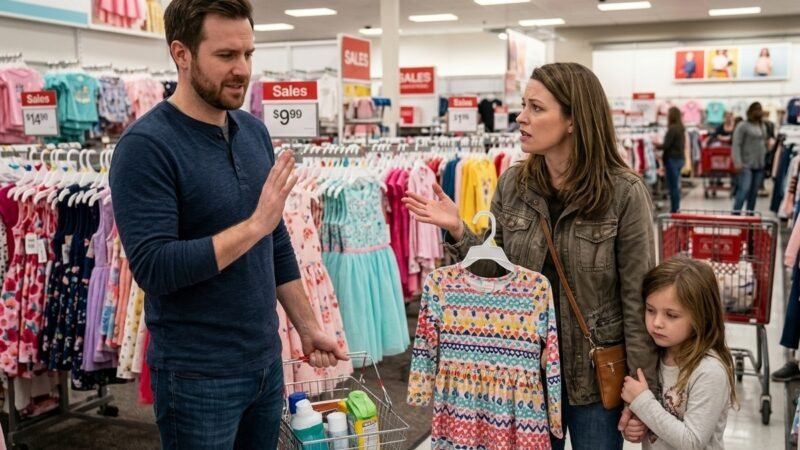
Man Calls Wife Heartless For Rejecting Full-Time Care Of His Orphaned Nephew, She Files For Divorce
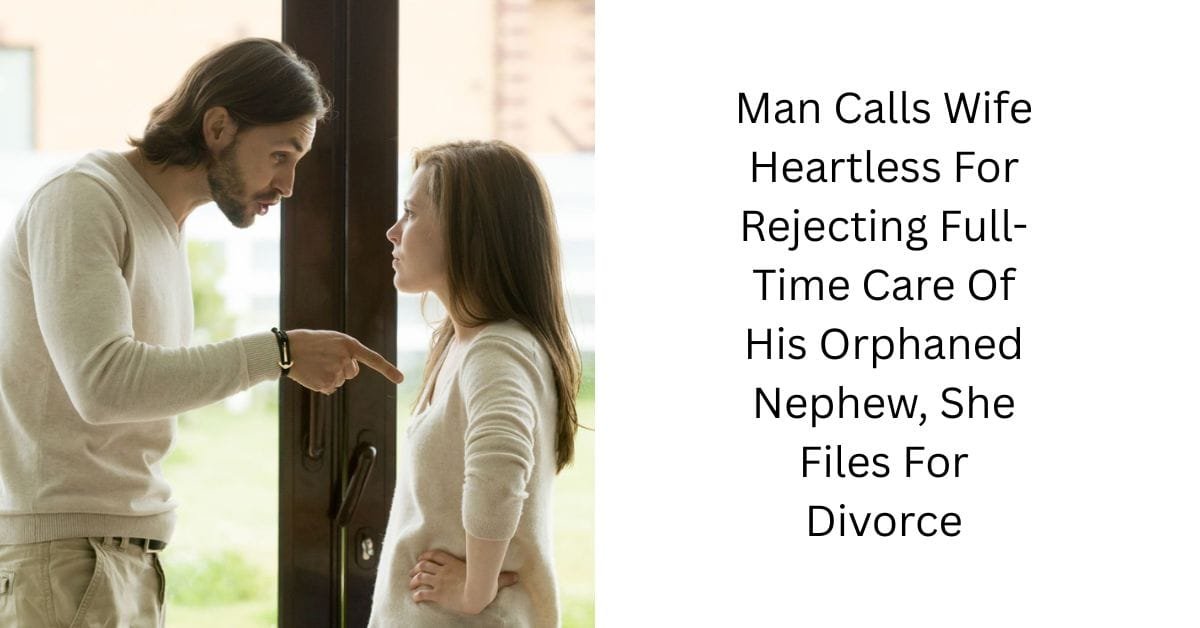
Thirty-four-year-old Laura had always believed that marriage meant supporting each other through difficult situations, but she also believed that major decisions should be made together. She and her husband, Daniel, had been married for six years and had built a comfortable life together. They both worked full-time, shared household responsibilities, and had spent years saving for the future. They had discussed having children of their own someday, but neither had been ready to make that commitment yet. Everything changed when Daniel received devastating news about his younger brother and sister-in-law. They had died unexpectedly, leaving behind their eight-year-old son, Noah. Daniel was heartbroken, and Laura immediately understood that the little boy needed support. She comforted her husband, helped organize meals for the family, and agreed that Noah should stay with them temporarily while everyone figured out what would happen next. Laura never imagined that a temporary arrangement would soon become a permanent demand that threatened her marriage.
During the first few weeks, Laura did everything she could to make Noah feel safe. She helped him settle into the guest bedroom, bought him clothes and school supplies, and made sure he had someone to talk to when he became overwhelmed. Noah was understandably grieving, and Laura knew that he needed patience rather than pressure. Daniel, however, became increasingly convinced that the only acceptable solution was for them to raise Noah themselves. One evening, he told Laura that he wanted to become Noah’s full-time guardian. Laura was surprised but tried to discuss the idea calmly. She explained that she cared about Noah deeply but that raising a child was a life-changing responsibility that required both partners to be fully committed. Their current jobs were demanding, their home was not set up for permanent childcare, and they had never agreed to become parents immediately. Laura suggested exploring relatives, professional guardianship options, or other family arrangements while they supported Noah emotionally. Daniel reacted badly. He accused her of thinking only about herself and said that family should come before personal comfort. Laura reminded him that caring about Noah and agreeing to become his full-time parent were two different things.

Advertisement
The disagreement became much worse when Daniel began telling relatives that Laura was refusing to help an innocent child. Several family members contacted her, urging her to reconsider. Laura felt increasingly isolated because nobody seemed interested in hearing her side. She wasn’t saying that Noah should be abandoned or placed somewhere unsafe. She simply believed that a decision this enormous should not be forced on one spouse by the other. She told Daniel repeatedly that she was willing to help with Noah’s expenses, school needs, appointments, and temporary care while they searched for a sustainable solution. Daniel dismissed all of those offers. He wanted Laura to accept full responsibility for Noah’s daily life, including school runs, meals, homework, doctor visits, and emotional support. Because Daniel’s job required long hours, much of the practical responsibility would naturally fall on Laura. When she pointed this out, Daniel became angry and said she was making excuses. He told her that if she truly loved him, she would accept Noah without hesitation. Laura began to realize that Daniel wasn’t asking for a discussion anymore. He was demanding obedience.
One night, the couple had their most serious argument yet. Daniel told Laura that she was heartless for refusing to give an orphaned child a permanent home. Laura broke down and explained that she was grieving too, that she cared about Noah, and that she was terrified of entering a parenting role she had never agreed to. She reminded Daniel that becoming a guardian was not like agreeing to babysit for a few weeks. It could affect their careers, finances, relationship, personal freedom, and future plans for decades. Daniel responded that none of those things mattered compared with Noah’s needs. Laura asked him why he believed her consent was irrelevant. Daniel couldn’t give her a reasonable answer. Instead, he accused her of being selfish and said that if she walked away, everyone in the family would know that she had abandoned a child who needed her. That statement changed something inside Laura. She realized that Daniel was using guilt and family pressure instead of trying to find a solution they could both accept.

Advertisement
The following week, Daniel announced that he had already begun discussing permanent guardianship with his relatives. Laura was stunned because he had made the decision without her. He told her that the family expected them to raise Noah and that she needed to stop resisting. Laura calmly asked what would happen if she refused. Daniel answered that perhaps they needed to reconsider their marriage because he couldn’t stay married to someone who wouldn’t care for his nephew. Instead of frightening Laura into changing her mind, his words gave her clarity. She finally understood that Daniel had already chosen a future without consulting her, and he expected her to simply accept it. Laura spent that night thinking about everything that had happened. She loved Daniel, but she could no longer ignore how easily he had dismissed her boundaries. She also worried that if she agreed under pressure, resentment would eventually develop between her, Daniel, and Noah. She didn’t want an innocent child growing up feeling like he was responsible for tension inside their home.
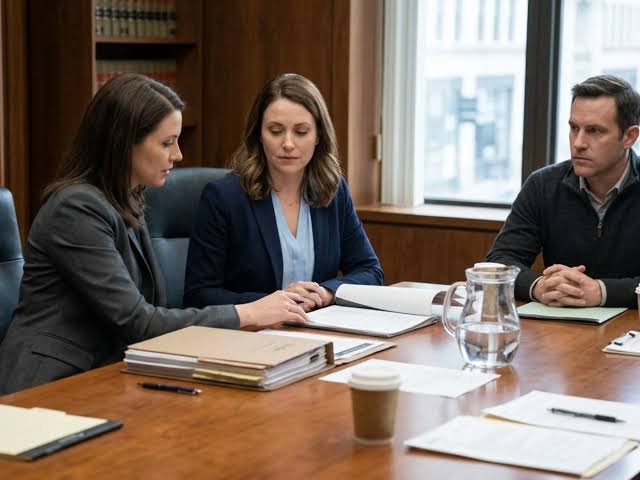
A few days later, Laura met with a lawyer and quietly began discussing divorce. She did not make the decision impulsively. She considered counseling, temporary separation, and family mediation before deciding that the deeper problem was not Noah himself. The problem was that Daniel believed he had the right to make an enormous life decision on behalf of both of them and then punish her emotionally for disagreeing. When Daniel discovered that Laura had contacted a lawyer, he was furious. He accused her of destroying their marriage over a child who had already lost his parents. Laura told him that she wasn’t divorcing him because of Noah. She was divorcing him because he had stopped treating her like an equal partner. She reminded him that compassion should never require someone to surrender their autonomy. She also made it clear that she would continue helping Noah where she reasonably could, but she would not agree to become his permanent parent simply because Daniel had decided that she should.
Advertisement
Eventually, Laura moved into a small apartment and began rebuilding her life. The divorce process was painful, and there were moments when she questioned whether she had made the right choice. She still cared about Noah and worried about how the family conflict might affect him. But she eventually learned that saying no to an enormous responsibility did not make her cruel. Noah deserved adults who genuinely wanted and were prepared to take on the role of permanent caregivers, not someone who accepted it because they had been emotionally pressured. Daniel eventually found another family arrangement for Noah with relatives who were willing to take on guardianship, although he remained angry with Laura for leaving the marriage. Laura accepted that she could not control how he viewed her. What mattered was that she had finally stood up for herself. She had not rejected an orphaned child because she lacked compassion. She had refused to let grief and guilt erase her right to participate in decisions about her own life. In the end, Laura realized that a healthy marriage requires empathy in both directions—and sometimes protecting your own boundaries is not heartless at all. It is necessary.

Advertisement
Read Story…
AITA for refusing to become the primary caregiver for my husband’s orphaned nephew?
AITA for refusing to become the primary caregiver for my husband’s orphaned nephew?
I (27F) have been with my husband for 6 years (3 years dating, 3 years married). From the beginning of our relationship, I was completely honest with him about one thing…I do not want children.
It’s not because I hate kids or because I’m afraid of pregnancy. It’s because I already spent my childhood and teenage years raising children that weren’t mine.
I’m the eldest of four siblings (two younger brothers and one younger sister). Because of my family circumstances, I ended up being the one who raised them. I missed out on a lot of my own life because I was forced into a parental role I never chose. I worked incredibly hard to build my career so I could finally live a life where I wasn’t responsible for raising children anymore.
My husband knew all of this before we got married. It was never a secret, and he always said he understood and accepted it.
A few months ago, my husband’s brother passed away. His wife had already died three months after giving birth, so now their 2-year-old son has no parents.
My heart absolutely breaks for him. None of this is his fault. I love him as my nephew, and I’m more than willing to be part of his life, support him, and help however I reasonably can.
The problem is that my husband now expects me to become his full-time mother.
He keeps telling me that because I already have experience raising children, “it won’t be that difficult.” He has even suggested that I quit my job because he’ll provide financially if balancing work and childcare is too much.
The thing is, I don’t want to quit my career. I fought incredibly hard to get where I am, and I don’t want to spend the next 16 years raising another child after already sacrificing so much of my own life doing exactly that.
I suggested what I thought was a reasonable compromise. I said I have no problem if my nephew lives with us. I would happily be his aunt and support him however I can, but I don’t want to be his primary caregiver. My husband could be his parent, and we could hire a nanny to help while we’re both working.
My husband refuses to hire a nanny but won’t give me a proper reason why.
Now his family is calling me selfish and heartless for refusing to take care of an orphaned child.
I feel incredibly guilty because he’s an innocent little boy who deserves love and stability. But I also feel like everyone is ignoring that I was upfront from the very start that I never wanted to raise children again. It feels like everyone has decided that because I’m a woman and I’ve raised kids before, this responsibility should automatically become mine.
So, AITA for refusing to become the primary caregiver for my husband’s orphaned nephew?
Update: Thank you everyone for guiding me and supporting me,
I had a talk with my husband about this matter and naturally he doesn’t want to hear anything in my favour. He labelled me as a failed woman who won’t bear her own children and also doesn’t have kindness in heart for an orphaned one.
The maternal side has refused to take care of their grandson they don’t want to bring a “jinxed child” who caused death of their daughter
I proposed divorce to my husband no alimony no complications just a simple divorce without any drama and he refused After a lot of discussion and fights he disclosed a very great news that I must tell you all
He cheated on me, got another girl pregnant, then forced her to abort the baby and now he is blaming me for his cheating also 🫠
Congratulations to me. I am getting divorced very soon.
Laura Believed Marriage Meant Making Decisions Together
Thirty-four-year-old Laura had always believed that marriage meant standing beside each other when life became difficult. She and her husband, Daniel, had been married for six years, and although their relationship was not perfect, they had built a stable life together. They both worked, paid their bills, maintained their home, and regularly discussed their plans for the future. They had talked about having children someday, but neither of them had felt ready to take that step. Laura believed that if they ever became parents, it would be because both of them had consciously chosen that path together.
Advertisement
Daniel had always been especially close to his younger brother, Michael. The two brothers had grown up together and remained connected even after getting married and starting separate families. Michael and his wife had an eight-year-old son named Noah. Laura had met Noah several times and always thought he was a sweet, energetic child. She knew that he adored his parents and that Daniel was one of the adults he trusted most outside his immediate family.

Advertisement
Everything changed when Daniel received a devastating phone call late one evening. Michael and his wife had been killed in a sudden accident, leaving Noah without either of his parents. Daniel was completely shattered by the news. Laura immediately held him and tried to comfort him as best she could. She understood that this was not simply the loss of a brother. Daniel had also lost his closest friend, while Noah had lost both parents in an instant.
During the following days, the entire family focused on Noah. Everyone wanted to make sure the boy was safe and surrounded by people who cared about him. Laura offered to help however she could. She prepared meals, helped organize belongings, and agreed that Noah could stay with her and Daniel temporarily while the family discussed his future. She wanted the child to have somewhere familiar and comfortable while everyone adjusted to the tragedy.
At first, Laura believed the arrangement would last only a few weeks. She assumed that another relative might eventually become Noah’s guardian or that the family would develop a permanent plan. She was willing to help with homework, meals, school transportation, and anything else Noah needed during the transition. She also understood that grief could make the child frightened and confused, so she tried to be patient with him.
Daniel, however, quickly became emotionally attached to the idea of raising Noah himself. One night, while they were sitting in their living room, Daniel told Laura that he believed they should become Noah’s permanent guardians. Laura was surprised by the suggestion. She didn’t immediately reject it, but she asked whether they could take some time to think about such a serious decision.
Daniel interpreted her hesitation as a lack of compassion. He told her that Noah had already lost his parents and that the family couldn’t allow him to feel unwanted. Laura explained that she cared deeply about Noah but that becoming a child’s full-time parent was a massive responsibility. It would change their entire lifestyle and require both of them to be completely committed.
Laura also pointed out that their home and finances had been planned around two adults, not a child. Both she and Daniel worked demanding jobs, and they had no experience raising children. She suggested that they speak with other relatives and consider every possible option before deciding. Daniel responded that there was no need to consider alternatives because Noah was family.
As the days passed, Daniel became increasingly determined. He began talking to relatives about becoming Noah’s guardian without first discussing the details with Laura. When Laura found out, she was deeply uncomfortable. She asked Daniel why he was making plans for their future without including her in the conversation.
Daniel told her that he already knew what she would say. According to him, Laura was thinking about her career, their finances, and their freedom instead of thinking about Noah. Laura was hurt by the accusation because she had spent weeks helping the child and had never suggested abandoning him.
She reminded Daniel that helping Noah and becoming his permanent mother figure were two different things. She was willing to support him emotionally and financially, but she did not feel prepared to accept a full-time parenting role. She believed that forcing herself into that position would eventually create resentment, which would not be fair to Noah.
Daniel refused to see it that way. He began calling Laura selfish whenever she brought up practical concerns. He told her that a loving wife would automatically agree to care for an orphaned child. Laura asked him whether he would expect the same sacrifice from her if their positions were reversed.
Instead of answering, Daniel became angry. He accused her of making the situation about herself. He said that Noah needed a home immediately and that Laura was making everything more complicated than it needed to be.
The conflict eventually reached Daniel’s relatives. Several family members contacted Laura and encouraged her to accept Noah permanently. Some told her that she would regret refusing to help an innocent child. Others reminded her that Noah had already suffered enough and needed stability.
Laura felt trapped by the pressure. She explained repeatedly that she did care about Noah and had never asked for him to be abandoned. She simply wanted the adults responsible for his future to consider a solution that everyone genuinely agreed to.
One evening, Daniel came home and told Laura that he had already spoken with the family about permanent guardianship. He said they expected him and Laura to raise Noah together. Laura was stunned that such an important decision had apparently been made without her consent.
She asked Daniel what would happen if she refused. His answer broke her heart. He told her that if she couldn’t accept Noah, he wasn’t sure he could remain married to her. He said he couldn’t spend the rest of his life with someone who had turned her back on his orphaned nephew.
Laura spent the entire night thinking about his words. She loved Daniel, but she realized that he was no longer asking for her opinion. He was demanding that she accept a life-changing responsibility and using the threat of ending their marriage to pressure her into doing it.
The next morning, Laura told Daniel that she needed space. She stayed with a close friend for several days and began thinking seriously about their relationship. For the first time, she understood that the disagreement wasn’t really about Noah. It was about whether Daniel respected her right to make decisions about her own future.
Laura eventually contacted a divorce lawyer. She did not do it because she hated Daniel or because she blamed Noah. She did it because she realized that she could not remain in a marriage where her boundaries were treated as selfishness and her consent was treated as an obstacle.
When Daniel discovered that Laura had spoken with a lawyer, he was furious. He accused her of abandoning him during the hardest period of his life. Laura calmly explained that she was not abandoning Noah. She was leaving a marriage in which she no longer felt heard or respected.
Daniel insisted that she could still change her mind. He promised that things would become easier once Noah settled into their home. Laura asked him how she could promise to be happy with a life she had never agreed to choose.
For the first time, Daniel had no answer. He simply stood there, realizing that Laura’s decision was no longer a threat or an emotional reaction. She had made up her mind.
Laura moved into a small apartment and began rebuilding her life. The divorce process was difficult, especially because some relatives continued to criticize her. She heard people call her selfish and heartless, but she stopped trying to convince everyone that they were wrong.
She continued to care about Noah from a distance. She sent him birthday gifts, checked on him through relatives, and made sure he knew that she did not blame him for anything. Laura wanted him to understand that the adults’ conflict was never his fault.
Eventually, another relative agreed to become Noah’s permanent guardian. Noah found a stable home with someone who genuinely wanted and was prepared to take on the responsibility. Laura felt relieved because she knew he was being cared for by someone who had chosen the role willingly rather than under pressure.
Looking back, Laura realized that she had never rejected Noah. She had rejected the idea that someone else could decide she must become his full-time parent without her agreement. She understood that compassion and responsibility had to coexist with personal boundaries.
The experience changed Laura’s understanding of marriage. She learned that loving someone does not mean automatically agreeing with every major decision they make. A healthy marriage requires two people to discuss difficult choices honestly, respect each other’s limits, and find solutions together.
Laura eventually stopped feeling guilty about filing for divorce. She knew some people would never understand her decision, but she also knew that staying in a marriage out of guilt would have been unfair to everyone involved, including Noah.
Her story left Laura with one important lesson: saying no to a life-changing responsibility does not automatically make someone heartless. Sometimes the most responsible choice is admitting that you are not prepared for something rather than promising to do it and later becoming resentful. Laura had not chosen to abandon an orphan. She had chosen to protect her right to have a voice in her own life.