Neighbors Think They’ve Found A Way To Get Cheap Dinners, Couple Teaches Them A Lesson
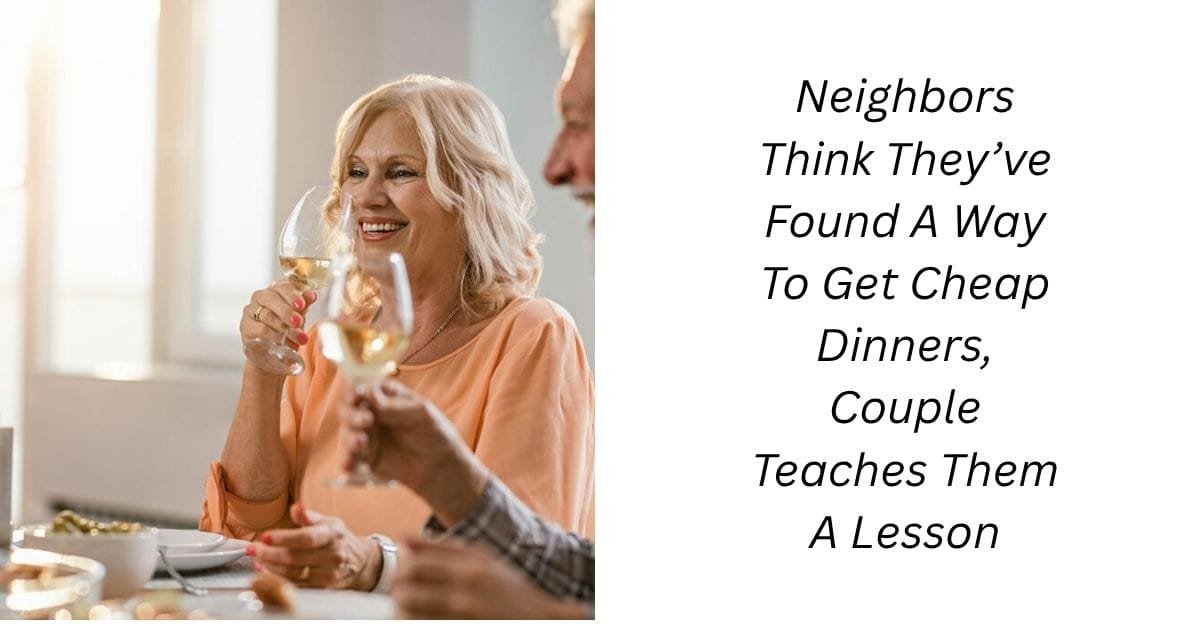
When this couple first noticed that their neighbors seemed to be taking advantage of their generosity, they tried not to make a big deal out of it. They had always enjoyed cooking at home and often prepared more food than they could reasonably eat themselves. Whenever they made a large pot of soup, baked a tray of lasagna, grilled extra chicken, or prepared a family-sized meal, they occasionally shared some with the people living nearby. At first, the neighbors appeared genuinely appreciative. They would thank the couple warmly, return the containers, and sometimes even compliment them on their cooking. The couple enjoyed being able to help others and never expected anything in return. However, after several weeks, they began noticing a strange pattern. The neighbors started showing up around dinner time with increasingly obvious excuses for why they had not prepared food themselves. Sometimes they would casually mention how good the smell coming from the couple’s kitchen was. Other times, they would ask whether the couple had “made too much again.” What initially seemed like innocent requests slowly became a routine. The couple realized that their neighbors were no longer simply accepting an occasional act of kindness; they appeared to be planning their evenings around the expectation that someone else would feed them.
The situation became even more obvious when the neighbors started making comments about the couple’s cooking schedule. They seemed to know which nights the couple usually prepared larger meals and would conveniently appear shortly before dinner was served. On one occasion, the wife had spent hours preparing a complicated dish for a special dinner, only to hear a knock at the door just as she was getting ready to sit down. One of the neighbors stood outside and jokingly asked if there happened to be “an extra plate.” The wife politely explained that she had made exactly enough food for the two of them. Instead of simply accepting the answer, the neighbor laughed and said that they were probably going to waste food anyway. The couple were uncomfortable but still did not want to create unnecessary conflict. They wondered whether they were simply being too sensitive. Perhaps the neighbors were struggling financially, they thought, or maybe they genuinely misunderstood how their requests were coming across. But then the requests became more frequent. The neighbors began asking what the couple was cooking before dinner and occasionally suggesting meals they would “love to try.” It became clear that they were treating the couple’s kitchen almost like a cheap neighborhood restaurant, except the food was free.
Eventually, the couple decided that they needed to stop the situation before their generosity turned into an obligation. Rather than confronting the neighbors angrily, they came up with a simple plan. The next time the neighbors appeared around dinner, the couple calmly explained that they were no longer going to be sharing meals on a regular basis. They emphasized that they had enjoyed being friendly neighbors, but cooking extra food every evening was not something they could continue doing. The neighbors were visibly surprised and immediately started asking questions. They wanted to know whether the couple was upset with them and why they suddenly seemed unwilling to share. The couple explained that sharing food was supposed to be an occasional kindness, not an arrangement where the neighbors could avoid buying or preparing their own dinners. One neighbor reportedly became defensive and insisted that they had never demanded anything. The couple agreed that technically they had never demanded a meal, but their repeated visits and comments had created an expectation. The wife pointed out that there was a difference between accepting food when someone freely offered it and repeatedly positioning yourself to receive it. The conversation was uncomfortable, but the couple remained calm and refused to argue.
The neighbors apparently assumed the couple would eventually give in, but the husband and wife decided to follow through with their boundary. They continued cooking whatever they wanted, but they stopped announcing their meals and stopped making extra portions for anyone outside their household. If a neighbor came over shortly before dinner, they politely explained that they had prepared enough only for themselves. At first, the neighbors seemed annoyed. They made a few sarcastic comments about how the couple had apparently become “less generous,” but the couple did not respond emotionally. Instead, they continued living normally and refused to feel guilty for protecting their time, money, and effort. Interestingly, after the free meals stopped, the neighbors began behaving differently. They no longer appeared at the couple’s door as frequently, and the casual conversations about dinner almost disappeared. That change confirmed what the couple had suspected all along. The relationship had not been based entirely on friendship or neighborly kindness; at least part of the neighbors’ interest had been connected to the free food. The couple found the realization disappointing, but they also felt relieved because they finally understood what had been happening.
In the end, the couple did not consider their response to be revenge. They believed they had simply taught their neighbors an important lesson about boundaries and generosity. Helping someone occasionally should be a choice, not something that another person quietly turns into an entitlement. The couple still remained friendly when they crossed paths with their neighbors and had no intention of creating a long-term feud. They simply stopped allowing their kindness to be exploited. The wife later admitted that she had initially felt guilty about saying no because she worried that refusing food would make them look selfish. But after seeing how quickly the neighbors lost interest once the free dinners disappeared, she realized that saying no had been necessary. The experience taught the couple that generosity works best when it is freely given and genuinely appreciated. They were still happy to share meals with friends, family, or neighbors when they wanted to, but they would no longer allow anyone to assume that their kitchen was a source of guaranteed free dinners. Sometimes, they realized, the most effective way to teach someone a lesson is not through confrontation or retaliation, but simply by closing the door to the behavior they have been taking for granted.
Read Story…
Revenge is a dish best served with a separate check
Over a decade or so ago when my wife (65F) and I (60M) lived in upstate NY, we lived across the road from a nice older couple that were at least a dozen or so years senior to my wife. So we were both obviously younger at the time. While I’m out talking across the road from him, “Joey” (we’ll call him) and “Linda” decided it was time that they invite the neighbors out to dinner. We both figured we weren’t being social enough in the neighborhood and it’s good to have friendly neighbors, so we accepted with our mistaken intent.
First time was a Friday evening, we were both coming directly from work, so we met at the local Italian place he raved about. One thing to know about my wife and I are that we’re not huge eaters and generally don’t drink when out because, well, driving and my wife isn’t crazy about alcohol. So we order modestly and our arrangement was to just split the bill. We order just mains and one starter my wife and I would share with them.
They decide to go full bore, starting with drinks, each orders a starter, then go for mains, and desserts to top it off. We quickly figured out we were getting screwed on this deal, so we ordered desserts and the bill came in. They forked over exactly half. Plus tipping on the low side. We picked up the rest. Not too pleased with it, but we endured and it wasn’t extremely expensive so we let it slide and knew the lay of the land.
Next time a few weeks hence, we drove together to a place along the Hudson River and already knew that we were taking the hit on this so I pulled Joe aside and said, “Hey, we’ll keep an eye on the check and chip in our share because we’re light eaters.” Joey looked confused but caught on and begrudgingly agreed. Dinner went a little better this time and the next when he decided on The Chart House (and anyone who’s been knows it’s a bit pricey). But each time it became a contention as to how much we really owed, and my wife would give in and we’d kick in closer to half and make up the tip.
The next time, he decided that we should try this place that was more on the $$$$ scale, so when our waiter addressed our table, we ordered beverage and I excused myself to the restroom, then returned after a few minutes trying to hold back my Cheshire Cat grin. So dinner goes through our starters, mains, desserts, with Joey and Linda going duly overboard in their orders thinking that they’d show us how this was done. After an admittedly good meal, our waiter finally comes with their check. And ours. And the look of total horror on their faces was priceless since they hadn’t realized that I’d arranged for our check to be tallied separately from theirs, and apparently theirs was more than double ours.
Joey had this priceless look of fury and a face that was beet red with anger knowing that we totally got the upper hand and weren’t feeding into his discounted dinners.
It was some months later, after some chatting across the road, that he decided to try dinner again, and as usual we said we’d meet him at the venue since we were coming from opposite directions due to other plans. Actually meeting them was a comedy of faked lost cell phone signals, stopped traffic on the Major Deegan or Cross Bronx or a slog across the Tappan Zee, until we finally said “You’d better just go ahead and order, not sure when we’d actually get there.” To this day I don’t know if they actually ate at that restaurant that night.
TL;DR — Our neighbors across the road turned out to be moochers who screwed themselves over finally when they realized we got the upper hand on how to split the check and make them pay their fair share.
Couple’s Generosity Turns Into A Free Service After Neighbors Start Expecting Their Food
When this couple first moved into their new neighborhood, they were excited about becoming part of a friendly community. They had always believed that having good relationships with neighbors made life easier and more enjoyable, especially when everyone looked out for one another. They were naturally generous people and did not mind helping others when they could. If they cooked too much food, they would sometimes offer leftovers to a neighbor. If someone needed to borrow a tool, they were usually happy to help. They never expected anything in return because, to them, being a good neighbor was simply about being considerate. Unfortunately, they eventually discovered that not everyone viewed generosity in the same way. What began as occasional sharing slowly turned into a pattern that made the couple feel as though their kindness was being treated like a free service.

Advertisement
The couple particularly enjoyed cooking large homemade dinners on weekends. The husband loved experimenting with different recipes, while his wife enjoyed preparing traditional comfort food that could take several hours to make. Their kitchen often smelled wonderful, and they sometimes cooked enough food to have leftovers for the next day. During their first few months in the neighborhood, they occasionally shared those leftovers with nearby families. One neighboring couple seemed especially appreciative. They would thank them enthusiastically whenever they received a container of food and would often compliment the wife’s cooking. At first, the couple was happy to share because the neighbors seemed friendly. They assumed the relationship was developing naturally and that the occasional exchange of food was simply part of being good neighbors.
The first sign that something was changing came when the neighbors began appearing more frequently around dinner time. At first, the visits seemed harmless. They might knock on the door and casually ask what the couple was cooking because they could smell it from outside. Sometimes they would make jokes about how delicious everything smelled. The couple would laugh and continue their evening. Then the neighbors started asking whether there happened to be enough food for them too. Because the couple had often cooked extra, they occasionally said yes. They did not think much about it at the time. They considered it another opportunity to be generous, and they assumed the neighbors would eventually stop asking once they realized the couple was not always preparing large meals.
Instead, the opposite happened. The more often the couple shared food, the more comfortable the neighbors became with asking for it. They began showing up shortly before dinner and casually mentioning that they had not figured out what they were going to eat that night. Sometimes they would laugh and say that the couple’s timing was perfect because they had been “saved” by another delicious meal. The couple initially treated those comments as jokes. However, they began noticing that the neighbors rarely brought anything in return. They never offered to contribute ingredients, never invited the couple over for dinner, and never seemed to consider that preparing food required time and money. The relationship was gradually becoming one-sided, even though the couple had never agreed to such an arrangement.
One evening, the wife prepared a particularly expensive dinner for the two of them. She had purchased fresh ingredients and spent most of the afternoon cooking. The meal was meant to be a relaxing treat after a stressful week. Just as the couple sat down to eat, they heard a knock at the door. When the husband opened it, the neighbors were standing there smiling. They immediately asked what the couple had made and whether there was enough for “a couple more plates.” The husband politely explained that they had prepared only enough for themselves. The neighbors laughed and said they were only joking, but their disappointment was obvious. After they left, the couple looked at each other and realized the situation had gone beyond simple friendliness.
The husband suggested that they stop sharing meals for a while and see what happened. His wife agreed, although she felt slightly guilty about it. She did not want their neighbors to think they were unfriendly or selfish. Still, she knew that constantly giving away food was beginning to affect their own budget and meal planning. They decided that from that point forward, they would only share food when they genuinely wanted to, rather than because they felt pressured. They did not announce the change to anyone. They simply stopped preparing extra portions for the neighbors and stopped mentioning what they were cooking.
The change was noticed almost immediately. Within a few days, one of the neighbors asked the wife whether she had been cooking less lately. She found the question strange because they had never discussed her cooking schedule. When she asked why they wanted to know, the neighbor laughed and admitted that they had become accustomed to getting leftovers from the couple. The wife politely explained that they had decided to cook only for themselves. She expected the neighbor to understand, but instead the response was surprisingly defensive. The neighbor suggested that the couple had plenty of food and should not mind sharing a little. The wife calmly explained that it was their choice whether to share and that they had never promised to provide meals.
After that conversation, the couple started paying closer attention to the neighbors’ behavior. They realized that the visits were almost always connected to food. When the couple did not cook, the neighbors rarely stopped by. When the smell of something delicious drifted outside, however, the neighbors somehow found a reason to appear. This pattern became impossible to ignore. The couple began joking privately that their neighbors seemed to have developed a sixth sense for dinner. But beneath the humor, they were becoming increasingly frustrated. They did not mind helping someone who genuinely needed assistance, but they disliked feeling as though someone was deliberately timing their visits to avoid paying for their own meals.
The situation became more awkward when the neighbors began making comments about grocery prices. During a conversation outside, one of them complained about how expensive food had become and then casually mentioned how lucky they were to have “good cooks” living nearby. The husband immediately understood what they were implying. He politely responded that everyone had to manage their own grocery budgets. The neighbor laughed and changed the subject, but the comment stayed with him. It made him realize that the neighbors might not see the free meals as occasional generosity anymore. They might actually consider the arrangement a way to reduce their own expenses.
The couple decided they needed to establish a clear boundary. They did not want a dramatic confrontation, so they waited until the next appropriate opportunity. When the neighbors again appeared around dinner time, the husband calmly told them that they were no longer going to be sharing meals regularly. He explained that they had enjoyed helping before, but it had become uncomfortable when the neighbors started expecting food. The neighbors immediately denied expecting anything. They said they had only asked occasionally and claimed the couple was making the situation more serious than it was. The husband did not argue. He simply repeated that they wanted to keep their meals private and that they hoped the neighbors would respect that decision.
Instead of accepting the boundary, the neighbors seemed offended. One of them accused the couple of becoming stingy after previously being so generous. The wife was surprised by that reaction. She explained that generosity only works when it is voluntary. If someone becomes upset because you stop giving them something they were never entitled to, that is no longer generosity being appreciated. It is generosity being expected. The conversation ended awkwardly, but the couple felt relieved. They had finally said what they had been thinking for weeks without shouting or insulting anyone.
The neighbors apparently believed that the couple would eventually change their minds. For several days, they continued making comments about how they missed the couple’s cooking. They even joked that perhaps the wife could make an exception because she was preparing a particular dish they loved. She politely declined. Each time they asked, the answer remained the same. The couple refused to become angry or defensive. They simply stopped providing food. The husband later said that consistency was important because one exception would have taught the neighbors that persistence would eventually get them what they wanted.
The most interesting part was what happened next. Once the free meals completely stopped, the neighbors’ behavior changed dramatically. They stopped knocking around dinner time. They stopped asking what the couple was cooking. They stopped commenting about the smell coming from the kitchen. The couple began noticing that their neighbors were suddenly much less interested in casual conversations. This was disappointing because it suggested that the food had been a major reason for the attention they had been receiving. The wife admitted that she had initially thought they were becoming friends. Discovering that much of the interaction may have been motivated by free meals made her feel foolish.
Still, the couple decided not to create unnecessary hostility. They continued greeting the neighbors whenever they saw them. If they crossed paths outside, they remained polite. They simply stopped giving them opportunities to take advantage of their generosity. The husband believed that there was no need to turn a boundary into a feud. People were allowed to make their own choices, and the couple was allowed to decide what they were comfortable sharing. They did not want revenge; they wanted the behavior to stop.
A few weeks later, the neighbors tried another approach. Instead of directly asking for food, they invited themselves into a conversation about the couple’s cooking. They mentioned how much they missed the meals and suggested that everyone could have dinner together sometime. The wife responded that they were happy to socialize but would prefer everyone to bring their own food. The neighbors suddenly seemed less enthusiastic about the idea. That reaction made the couple laugh privately later because it confirmed what they had suspected. Apparently, the attraction was not simply to spending time together. Free dinner had been the main attraction.
The couple also realized that their own behavior had unintentionally encouraged the situation. Because they had said yes so many times in the beginning, the neighbors may have assumed the arrangement was acceptable. The couple acknowledged that they should have established boundaries earlier. Their generosity had been genuine, but they had never communicated that it was occasional. Instead, their repeated willingness to share may have created an expectation. They did not blame themselves entirely, but they accepted that saying no sooner would have prevented much of the awkwardness.
The wife especially struggled with the idea of being perceived as selfish. She had grown up believing that sharing food was one of the simplest ways to show kindness. Saying no made her uncomfortable because she worried about what others would think. But this experience taught her that kindness does not require unlimited access to your resources. She could be generous when she wanted without becoming responsible for feeding another household. Once she accepted that, she stopped feeling guilty. She realized that protecting her own time and money did not make her a bad neighbor.
The husband took a slightly different view from the beginning. He believed that the neighbors had crossed the line when they began planning their visits around dinner. He said there was nothing wrong with asking once or twice, especially if someone was struggling. But repeated behavior after receiving free food was different. He compared it to borrowing something from a friend and then assuming you could keep borrowing it forever. The fact that someone was willing to help once did not mean they had agreed to provide the same help indefinitely.
Eventually, the neighbors seemed to accept the new reality. They began preparing their own dinners and stopped appearing at the couple’s house unexpectedly. The relationship remained somewhat distant, but the tension decreased. The couple was actually relieved. They preferred having a polite relationship with clear boundaries over a seemingly friendly relationship that left them feeling used. They also became more selective about whom they shared food with. When they had extra meals, they still occasionally gave them to people they genuinely wanted to help, but they no longer felt obligated to do so simply because someone expected it.
One weekend, the couple prepared a huge dinner for a family celebration. They had plenty of food and invited several friends over. The neighbors happened to see the gathering and later mentioned that it looked like a wonderful meal. The wife simply smiled and thanked them. The neighbors did not ask for a plate, which was a small but meaningful sign that the boundary had finally been understood. The couple did not feel the need to bring up the past. They were happy that the situation had resolved without becoming a major neighborhood dispute.
Looking back, the couple agreed that the experience had taught them an important lesson about generosity. Giving is supposed to feel good when it comes from a place of genuine choice. Once another person begins treating your generosity as something they are entitled to receive, the entire dynamic changes. The couple had never expected anything in return for the meals they shared, but they also never expected someone to build their dinner routine around those meals. They learned that being kind does not mean allowing people to take advantage of you.
The wife also admitted that the neighbors’ reaction to the boundary was what bothered her most. If they had simply said, “We understand,” the situation would probably have ended quietly. Instead, their accusations about the couple being stingy made it clear that they had developed an expectation. That was the moment she realized the couple had made the right decision. A person who appreciates a gift is grateful when they receive it. A person who feels entitled to that gift becomes upset when it disappears.
The husband jokingly told his wife that their neighbors had apparently discovered the world’s easiest restaurant: no menu, no bill, and no closing time. They both laughed about it eventually, but they also agreed that they did not want to repeat the experience. They could enjoy cooking without worrying about who might knock on the door. Their kitchen once again became a private part of their home instead of something that felt publicly available to the neighborhood.
In the end, the couple never retaliated against their neighbors or tried to embarrass them publicly. Their lesson was much simpler. They stopped giving away free dinners and allowed the neighbors to take responsibility for their own meals. That alone was enough to change the situation. The neighbors eventually understood that the couple’s generosity was a gift, not an obligation. The couple remained civil, but they no longer allowed friendliness to blur the line between kindness and entitlement.
The experience left the couple with a rule they planned to follow from then on: give because you want to, not because someone has learned how to make you feel guilty for saying no. They still believed in helping people and still enjoyed sharing food with friends and neighbors when the opportunity felt genuine. But they also understood that boundaries were not the opposite of kindness. Sometimes, setting a clear boundary is what allows kindness to remain meaningful. By simply refusing to continue an arrangement they had never agreed to, the couple taught their neighbors a lesson that no argument could have communicated as effectively.