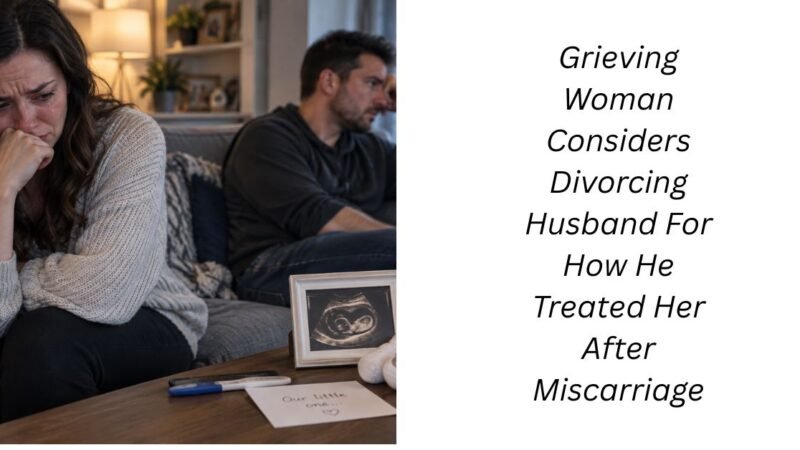
DIL Feels Devastated With In-Laws Showing No Sympathy Over Her Miscarriage, Burns Bridges With Them

After nearly three years of marriage, Sarah and her husband, Michael, were overjoyed to learn they were expecting their first child. They eagerly planned for the future, decorating a nursery, discussing baby names, and imagining the life they would soon share as parents. Their families also expressed excitement, making the pregnancy feel like a celebration for everyone involved.
Unfortunately, that happiness was shattered when Sarah suffered a heartbreaking miscarriage. The unexpected loss left both her and Michael emotionally devastated, struggling to process the grief that comes with losing a child they had already begun to love. Recovery was difficult both physically and emotionally, and Sarah leaned heavily on her husband for support.
While close friends reached out with kind messages, meals, and words of comfort, Sarah noticed a painful silence from Michael’s parents. Days passed without a phone call, a visit, or even a simple message expressing sympathy. Their lack of acknowledgment left Sarah feeling forgotten during one of the most difficult moments of her life.

Advertisement
Hoping there had simply been a misunderstanding, Michael contacted his parents and explained how much Sarah was struggling. Instead of offering compassion, they responded casually, suggesting that miscarriages were common and that the couple should simply move on and try again. Their reaction deeply shocked both Sarah and Michael.
Sarah couldn’t understand how people she considered family could dismiss such a painful experience so easily. She wasn’t expecting grand gestures or expensive gifts—she simply wanted kindness, empathy, and reassurance that her grief mattered. Instead, their comments made her feel isolated and emotionally invalidated.
As weeks passed, Sarah found it increasingly difficult to maintain a relationship with her in-laws. Every interaction reminded her of how alone she had felt during her loss. Eventually, she decided to distance herself from them, believing that continuing the relationship would only reopen emotional wounds.
Michael supported his wife’s decision, even though it created tension within the extended family. He believed his parents had failed to provide even the most basic level of compassion when it mattered most. For him, protecting Sarah’s emotional well-being became far more important than avoiding family conflict.
When Sarah later shared her experience online, many readers expressed sympathy and understood why she chose to step away from her in-laws. Others acknowledged that people handle grief differently but agreed that offering simple words of comfort costs very little and can make an enormous difference to someone who is suffering.
In the end, Sarah realized that family relationships are built not only on shared history but also on empathy during life’s hardest moments. The miscarriage changed more than her plans for the future—it also revealed which relationships offered genuine support and which ones lacked the compassion needed to survive difficult times.
Read Story…
AITAH for going low-contact and skipping my MIL’s birthday after how she handled my recent miscarriage?
I (35F) am reaching a breaking point with my in-laws. My husband (36M) is supportive and on my side,
but my FIL is pressuring us to “fix” things before my MIL’s birthday next week.
I recently had a miscarriage. When we first announced the pregnancy, my MIL’s response wasn’t a “congratulations.” She told us it was “far too early to be saying anything” and claimed we only got pregnant because her other daughter had just announced her own pregnancy. She turned our news into a competition.
When I lost the pregnancy, she sent a group text with some “hugs” and heart emojis. That was it. No phone call, no stopping by…even though they live 1 mile away. A week later, she tried to send me a birthday gift and a cake to “move on.” I declined them because the gesture felt hollow after her earlier comments. Now, because I won’t accept her “kindness,” she and my FIL are calling me “ungrateful.”
This is part of a long pattern. My MIL has always had issues with me. I can’t pinpoint it, and I’m unsure if it’s me being ethnic, Christian or financially independent. She seems to have an issue with all three. A few examples over the years:
– Our engagement: 8 years ago, we gifted them our engagement photos for Christmas. She took those photos and put them in a “Bad Santa” game for 20 relatives to mock as a gag gift. My FIL tried to take the blame to protect her, but it was humiliating.
– My dad’s funeral: When my father passed away, she called the funeral “ostentatious” and mocked the cost, telling me she’d rather be “put in a cardboard box and burnt” than have a service like his…. at the funeral.
When I’ve called her out on any of these (there’s a long list) she says it’s how I perceive the situation, that I “misconstrue” and that she’s “sorry about how I feel”.
I’ve officially left the family group chat. My FIL is now begging for “family counseling” before her birthday next week. I spent 45 minutes pouring my heart out to him about these incidents, and his only response was that her messages “come from a place of love and care.” He knows the behavior is wrong, but he’s spent decades enabling her to keep the peace.
My husband and I have decided on going silent for her birthday next week. No text, no card, no “Happy Birthday.” My FIL says I’m being divisive and “ungrateful” for the help they’ve given us in the past, but I feel like I’m finally just setting a boundary.
AITAH for staying silent and skipping her birthday after years of this? I feel like I’ve finally grown a backbone.
A Couple’s Dream Finally Came True
After three years of marriage, Sarah and Michael felt they were finally ready to start a family. They had spent years building a stable life together, and discovering they were expecting their first child filled them with excitement and hope for the future.

Advertisement
The couple eagerly prepared for parenthood. They discussed baby names, researched parenting advice, and began planning how they would transform one of the spare bedrooms into a nursery. Every conversation revolved around the child they were eagerly waiting to meet.

Advertisement
Their close friends celebrated the happy news, while both families congratulated the couple. Sarah believed the baby would bring everyone even closer together, especially her relationship with Michael’s parents.
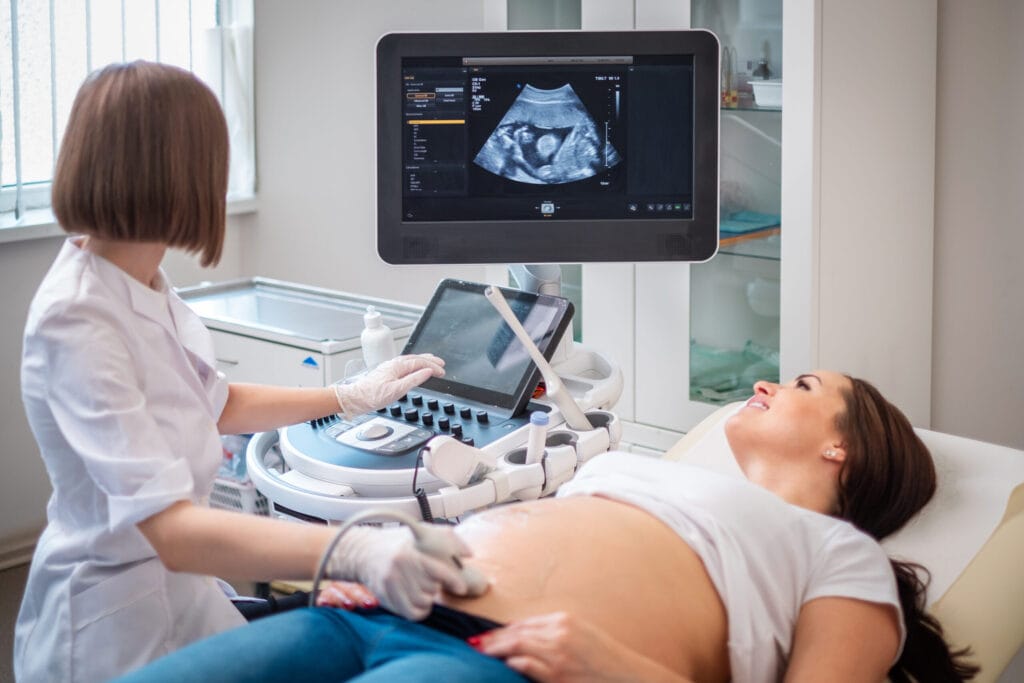
As the pregnancy progressed, Sarah became increasingly attached to the future she imagined. Every doctor’s appointment and ultrasound strengthened her excitement and made becoming a mother feel more real.
Advertisement
Unfortunately, everything changed after unexpected medical complications. Sarah suffered a miscarriage, leaving both her and Michael heartbroken by the sudden loss of the child they had already begun to love.
The physical recovery was painful, but the emotional pain proved even more difficult. Sarah struggled with sadness, guilt, and unanswered questions while trying to process such a devastating experience.
Michael remained by her side throughout the difficult weeks. He attended medical appointments, helped around the house, and encouraged Sarah to take all the time she needed to heal emotionally.
Friends also reached out with flowers, meals, and thoughtful messages. Their kindness reminded Sarah that she wasn’t facing the tragedy completely alone.
However, one absence became impossible to ignore. Michael’s parents never called, visited, or even sent a simple message expressing sympathy.
At first, Sarah assumed they simply needed time or perhaps didn’t know what to say. She tried not to judge them too quickly.
Several days passed without hearing anything. The silence gradually became more painful than she had expected.
Michael eventually contacted his parents, hoping they would understand how much Sarah was struggling and offer a few comforting words.
Instead, they responded with surprising indifference. They remarked that miscarriages were common and suggested the couple should simply try again in the future.
Their response left Sarah devastated. She wasn’t expecting dramatic gestures—only compassion and acknowledgment that their loss mattered.
Michael was equally disappointed by his parents’ reaction. He had always believed they would support his wife during difficult moments, but their lack of empathy changed how he viewed the relationship.
Sarah began questioning whether her in-laws had ever truly accepted her as part of the family. Their behavior during her darkest moment made her feel invisible.
Whenever family gatherings were discussed, Sarah felt anxious. The emotional wounds were still fresh, and pretending everything was normal seemed impossible.
Michael tried speaking with his parents once more, explaining that their comments had deeply hurt Sarah. Instead of apologizing, they insisted people were becoming overly sensitive.
That conversation convinced Sarah that the problem wasn’t simply poor communication. It reflected a fundamental lack of empathy.
After careful thought, Sarah decided to distance herself from her in-laws. She believed maintaining close contact would only prolong her emotional pain.
Michael respected his wife’s decision, even though it created tension within the extended family. Protecting Sarah’s well-being became his highest priority.
Some relatives criticized the couple for limiting contact, arguing that families should always forgive each other. Others quietly admitted they understood why Sarah felt so hurt.
As time passed, Sarah focused on healing through counseling, supportive friendships, and spending quality time with Michael. Slowly, she began rebuilding her emotional strength.
Although the grief never completely disappeared, Sarah gradually accepted that healing didn’t require pretending the loss had never happened.
Months later, Michael’s parents attempted to reconnect without acknowledging their earlier behavior. Their casual approach only reinforced Sarah’s decision to keep her distance.
Sarah explained that rebuilding trust required honesty, accountability, and genuine compassion. Without those qualities, reconciliation felt impossible.
Michael stood beside his wife throughout the situation. While he still loved his parents, he believed supporting his spouse during such a painful chapter was the right choice.
When Sarah eventually shared her experience online, thousands of readers responded. Many people who had experienced pregnancy loss said they understood exactly how isolating a lack of support could feel.
Others emphasized that no one expects perfect words after a tragedy. Often, a simple message expressing love, sympathy, or concern can provide enormous comfort.
The discussion sparked broader conversations about emotional support, family expectations, and the importance of showing kindness during life’s most painful moments.
In the end, Sarah realized that genuine family is defined not only by blood or marriage but also by compassion when someone is suffering. Her heartbreaking experience taught her that relationships without empathy cannot easily survive life’s greatest challenges, and sometimes protecting one’s peace requires creating healthy boundaries.