Guy Horrified As His Cancer Has No Effect On Postpartum Wife Who Still Expects Him To Slog At Home
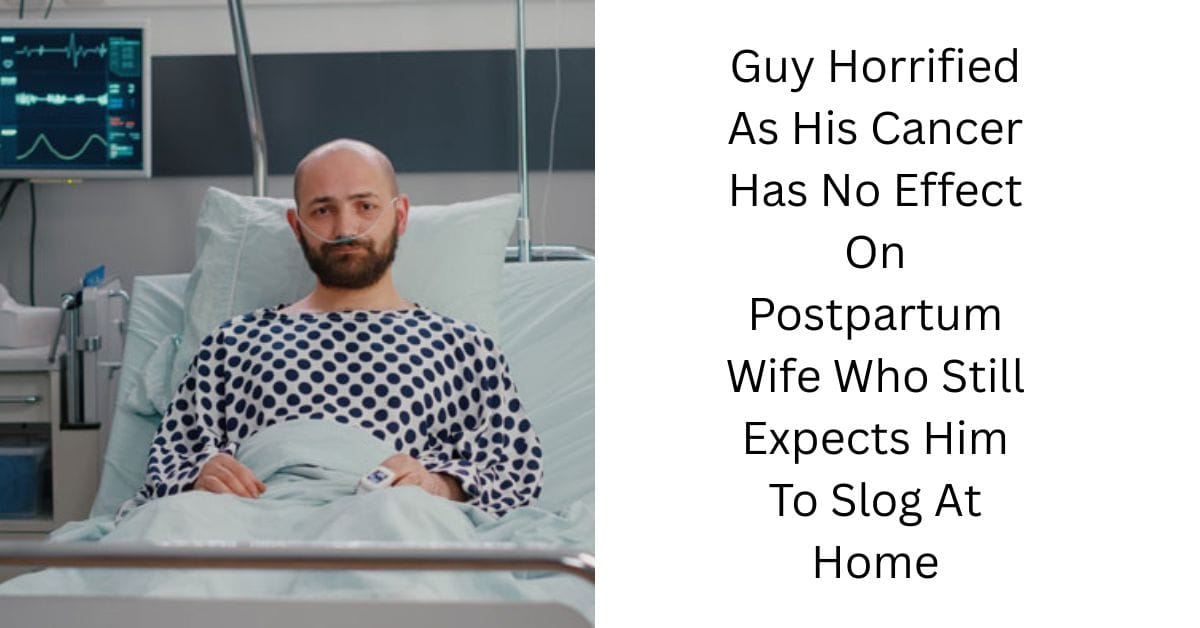
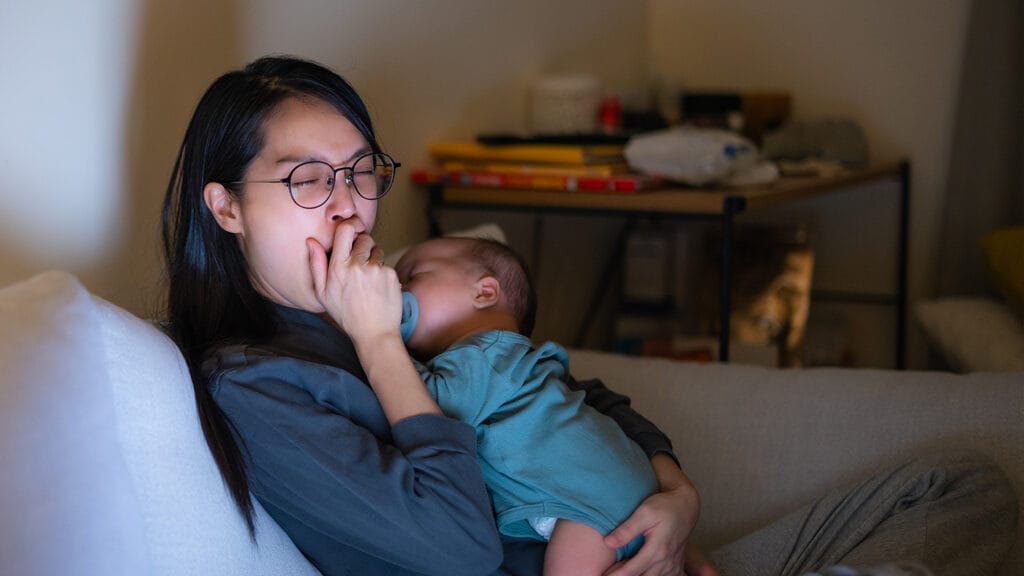
When Mark received his cancer diagnosis, he expected life to become difficult for everyone in his household. Doctors assured him that his condition had been caught early and that treatment offered a strong chance of recovery, but chemotherapy would leave him exhausted for months. At home, however, life was already demanding. His wife, Rachel, had recently given birth to their first child and was still recovering from a difficult delivery. Between sleepless nights, feeding schedules, and postpartum recovery, both of them were physically and emotionally drained. They quietly promised each other they would face the challenges together, never imagining how quickly that promise would be tested.
The first few weeks after Mark began treatment were overwhelming. The medication left him weak, nauseated, and unable to stay on his feet for long periods. Even simple tasks like carrying laundry or washing dishes became exhausting. Despite his condition, he pushed himself to help whenever he could because he knew Rachel was caring for a newborn around the clock. Rachel appreciated his efforts but struggled to understand how unpredictable his energy levels had become. Some mornings he looked almost normal, while by afternoon he could barely walk across the living room without needing to rest.
As sleep deprivation and stress mounted, misunderstandings became more frequent. Rachel felt isolated caring for the baby and managing the household, while Mark silently worried he was failing both as a husband and a father. Instead of openly discussing their frustrations, each assumed the other couldn’t possibly understand what they were experiencing. Small disagreements over chores, grocery shopping, and nighttime responsibilities gradually turned into tense conversations filled with exhaustion rather than compassion.
Advertisement
One evening, after returning from another chemotherapy session, Mark discovered a long list of unfinished household tasks waiting on the kitchen counter. Rachel explained that she simply couldn’t manage everything alone while recovering and caring for the baby. Mark stared at the list, knowing he wanted to help but barely having enough strength to prepare his own dinner. For the first time since his diagnosis, he felt genuinely frightened—not by the illness itself, but by the possibility that the pressure of their circumstances was beginning to pull their family apart.
The turning point came a few days later when Mark’s oncologist invited Rachel to attend one of his appointments. The doctor carefully explained how cancer treatment affected Mark’s body, why fatigue could be overwhelming even when he looked healthy, and why recovery varied from day to day. Rachel listened quietly, realizing she had underestimated how much invisible suffering her husband had been hiding. On the drive home, the couple had their first honest conversation in weeks. Instead of arguing about who was carrying the heavier burden, they finally acknowledged that both of them were fighting different battles at the same time—and that neither could overcome them without the other’s understanding.
Read Story…
Me [35 M] with my wife [36 F] 6 years (9+ as couple), cancer has been a real eye opener (Long)
First, long post, I’m sorry.
I found out two month ago I have stage 3 Hodgkin’s Lymphoma. It began with a routine physical, and 15 days later I was sitting through my first treatment of ABVD (the name of the chemo regimen for HL).
Long story short, I went in for a physical, GP referred me to an ENT the following day. ENT told me that, “it really looks like lymphoma,” but said only a biopsy can say for sure. She looked me straight in the eye after that and said, “I don’t mean to scare you or shake you up, but there are more things pointing to lymphoma than not.” (paraphrasing, was in shock and not 100% remembering).
This is where having cancer (only a possibility at this point) became just another concern.
First, I’ve been married for 6 years and have 2 awesome daughters, very young (3 and 4 months).
I called my wife right after the ENT appointment and told what the ENT said. I think I’m a pretty hardcore manly man, but I was near tears and choking on every word. She mocked me a little a bit, and told me nothing was for sure yet and that I was making a big deal about it and stop being dramatic. About possibly having cancer.
I went to the ENT’s office, got a print out from the CT scan where the ENT and the radiologist noted “highly suspicious for lymphoma” and left to go tell my parents, who were about to leave on a short trip to their lake house the next morning. I’m not very close to my parents, but knew they would want to know. They were crushed just at the possibility and offered (and have followed through) to step up if worst fears prove true.
When I got home I did my daddy thing and made dinner and my wife didn’t mention anything. I brought up a few concerns and how scared I was, and she looked right through me, waiting for me to finish talking so she could do whatever she had been doing. She didn’t even reply to me. At least she stopped to listen, but that was it.
That was on a Friday, biopsy on Monday. My wife held on to the thinking that I didn’t have cancer and that I was making a big deal about it. I was scared shitless all weekend but didn’t want to tell my friends in case it came back negative, so I suffered in silence.
Escalation #1: I asked my parents to watch the kids so my wife can come with me to the biopsy (again, not close to my parents), assuming she would want to go.
My wife loses her damn mind and stands there while I call my parents to tell them that we don’t need them. My wife says I’ll be fine going to the biopsy by myself. After having my neck opened up to have a lymph node removed. So I have to ask my parents to go with me so I can get a ride home.
Escalation #2: I get home from my biopsy, and my wife’s entire family is at my house. Including sister in law and boyfriend from from out of state. I play the biopsy off as a procedure to repair my clavicle and excuse myself from the first level of our house and go to the bedroom. I’m of course a dick for not socializing. After I get home from the hospital for surgery.
The next two days are the longest ever as I wait to find out. I give up waiting, go out for coffee, and then go to a bookstore to unwind (I love reading). The nurse calls me while at the bookstore to tell me the news. It’s classical Hodgkin’s Lymphoma. See you at the cancer center on Friday.
Escalation #3: I call my wife and tell her, fighting to get the words out. I break down and sob a bit. When I’m done, she asks, “how do they know?” I gather myself and explain how they send the tissue to a pathologist, yada yada. At this point I’m no longer upset about having cancer, but shocked that, since I went to the GP 6 days prior, my wife has done nothing but deny any chance of cancer, has mocked me for being concerned I have cancer, and has offered no support at all. Any fears or concerns or anything, she just dismissed or tuned out.
She did agree to go with me to the initial oncologist appointment. My oncologist reviewed the information with us, went over my PET scan (I glowed like a christmas tree!), and explained the side effects of treatment.
Escalation #4: We met with a nurse to counsel us on things caregivers can expect with the regimen I’m on, and throughout the discussion (which my wife did not participate), it became clearer that my wife doesn’t consider herself my caregiver. She didn’t participate because she doesn’t think it applies to her. We were with the nurse for an hour and my wife didn’t speak at all.
Two months later, I’ve had 4 treatments and have started to lose a lot of energy. I get tired pretty quickly but do my best to pull my weight.
About three weeks ago, after a long Sunday of helping with kids and trying to get my half of the housework done, I hit my limit with a few things on my honey do list. I started slowing down a bit, and my wife began to pester me about the few remaining things. I told her, “I’ve hit my limit, I’ll help get the kids to bed but I’m done.” This is the first time she started to cry since I was diagnosed.
Crying, she dropped these on me:
- “I do so much around here, I don’t get any help.” (neglecting the fact I do most of the childcare on the weekends and prepare every single meal that is eaten in the house, including the breakfast and lunch she takes to work)
- “I’m tired too, you know!?”
- “I wish I could just stop and go to bed sometimes” (something I’ve NEVER done no matter how I feel)
- “I only ask you to do a few things and you can’t even do them”
I called a therapist I had seen in the past (obviously, it’s always been a rough marriage) the next morning. I’ve been married to someone who has never supported me, doesn’t see marriage as a team sport, and likely won’t come around on either of those. Not the first time we’ve had these issues, but I was never honest with myself about it. I thought my hard work made up for it all.
Now I realize I deserve better. Not being close to my family, I don’t have much of a support network, My wife alienated all of my friends (HUGE red flag I didn’t see) but I’ve reached out to a few close ones who are coming back into the picture, but those relationships need some TLC before I can ask them to be my “rock” during this.
I deserve to have someone by my side while I go through treatment. I deserve someone who can cut me some slack so I can recover from chemo and not expect me to be superdad even when all I want to do is puke my brains out and lay on the floor for 5 minutes.
I’ve started to contemplate divorce and have spoken with a few attorneys. I’ve decided to work with my therapist to get through the cancer and chemo and, once I finish the first line, ask for a separation.
At worst I’ll get 50/50 with my kids. Given my wife’s lack of support during my cancer treatment I will be pushing for primary custody, not out of spite, just because I believe I’m able to put their interests above my own better than my wife.
I don’t expect sympathy or upvotes or anything. Just getting that off my chest helps. Thank you
TL;DR Found out I have cancer, eyes have been opened to the fact my wife doesn’t give a shit about me. Going to start working on divorce once I’m done with treatment. Any ideas to cope?
EDIT: Trying to reply to everyone, but it is getting hard. Thank you all for the support (and criticism).
Someone at r/cancer suggested this place and it has been helpful.
I’ll continue to try and reply best I can.
EDIT 2: all of the supportive (and critical) comments and PMs have really propped me up today. I felt like total shit last night which prompted me to write this.
Thank you!
Update 1 Oct 5, 2015 (1 week later)
First, I don’t paint a very pretty picture of my wife in this post. She is not a horrible monster as she may seem below. She is a good mother and I trust her to take care of my kids. I married her because I knew she would be dedicated to our kids. Things just haven’t worked outside that focus.
Thank you all so much for all of the support and suggestions. I took a lot of your comments to heart and a few days after my original post I surprised my wife with my mom coming over to watch the kids so we could go out to dinner to talk.
There were a few insights I received from you all that I wanted to make sure to hit on during our talk:
- How is she coping with everything – having a new baby in May and finding out her husband has cancer is a lot for anyone
- How does she think I’m handling with treatment
- This is an opportunity to get closer as a couple and address issues we’ve had for years, and that the future of our marriage depends on us addressing them
- I really need her to step up and give me time to recover from chemo – the most immediate importance
- There is a very real possibility that things could get even worse, or that I might even die
I am going actually skip the results of the conversation and move to the weekend, here is the TL;DR – she didn’t perceive there to be a problem, she disappointed me with her answers, and she cannot have a frank talk about these serious issues. But I could tell she felt better, she was all smiles while we went for a short walk.
So our week goes on, nothing is much different.
Friday I have chemo, so Saturday is not a great day, chemo is starting to hit me harder sooner. Things continue as normal (I watch the kids until 1pm, I’m not 100% sure what she accomplished). I get my 3 year old down for a nap, and I go into our room to take a nap. My wife somehow manages to find something she needs in our bathroom 3 different times in 30 minutes as I try to lay quietly and sleep. I put in my ear buds and tune Spotify to the White Noise station (seriously, try it it works). After a 60 minute nap, she comes flying in, literally whips the door open with both kids in tow.
I’m trying to get along with everything at this point. Maybe she needs time to adjust.
Sunday is bad. She again is away from us somewhere in the house for a large chunk of the day. I’m really suffering from chemo and just don’t have it in me. I call my mom to come over and help in the late morning, and my wife loses it. She tells me she can handle everything and we don’t need help, and tells me she will be down to help in a few minutes.
She never does come to help until a few hours later, where she holds our infant for about 10 minutes, hands her to me so she can eat lunch, and then she takes our 3 year old up for a nap.
She then proceeds to take a 2.5 hour nap herself.
I’m beyond pissed. When she wakes up, she looks happy and refreshed, so I hand her our baby and I take off to my favorite nature trail 10 minutes from my house without saying a word. It is fall here and the trees are really cool, so walking to the top of small hill to sit on a bench is worth how tired I was when I got there. When I get back to my car I have several texts from her, including a request to stop at the store for her. I simply reply, “No.”
I went to my parents house to rest some more and eat dinner and then I came home to help get the kids ready for bed. The house is a disaster, nothing has been done in the 3 hours I was gone. She tells me she doesn’t need any help, but manages to get nothing done without me.
Now the shit really hits the fan. My 3 year old is on the 2nd level putting her pajamas on, so I figure, why not address the gorilla in the room. Bad idea.
I essentially call her out for putting too much of a burden on me and trying to stop me from getting the help I need (i.e. my mom helping with the kids). I’m upset but not angry at this point, and she responds with pure anger.
She points out that she unloaded and reloaded the dishwasher for me and she “made dinner” (which involved reheating the meal I had made the night before) while I was gone, which is normally my job. Now I get angry and tell her that is not enough, and that I cannot be the full time babysitter on the weekends. We have a solid 5 minute argument about having my family over to help with the kids. She replies to everything I say with, “fuck you,” “I fucking hate you,” and “you’re the worst.”
I like to think I kept my cool, but I know I took some shots at her for thinking too highly of herself, which is her biggest flaw. I was a jerk, but I don’t feel bad because I meant what I said: she is expecting me to do too much, if she cares she needs to SHOW it (saying it would help, too) by giving me time to rest for a few days after chemo, and she does not do nearly what she thinks she does.
I am tired of fighting and end with (paraphrasing, seeing red at this point), “You need to step it up, I can’t do keep up with this anymore,” and, “I could die and you are treating me like I have a cold.” A little dramatic, I know, but I there is a very real chance I could die in the next 5 years, about 10-15%.
Now the box is open, and she knows that I don’t think she does very much. She DOESN’T do very much. She has a high opinion of how much she does around the house and with the kids, so I’ve openly questioned her sense of sense worth. I very literally think I can do what we do as a couple just fine or better by myself, even with cancer.
I feel bad for my wife more than I am mad at her. She grew up with a very narcissistic mother and is stunted emotionally (again, another post in itself). She is not equipped to handle what she is currently going through. But she is 36 and has had the time to be around other people and grow up, so I’m expecting her to act like an adult.
I do NOT want to get divorced, but with 6 years of marriage under our belt and no growth at all to show for it, things are very likely over for me. I’ve told her in very blunt terms where I see us as a couple, and she is not willing to change.
I have minimum of 3 months of treatment left and want to be around my kids as much as possible on the slim chance this is it for me.
EDIT 1: I’ll go ahead and point out a few things, hope this helps with any questions:
Yes, I saw flashes of this person before we were married (while we were engaged) but didn’t give it enough credence.
I’m an idiot who should have addressed this earlier in our relationship. Seriously, who let’s it get this far. The worst part is I thought of myself as a very hardcore, determined person before I sat down and starting pondering my marriage. Now I feel like a spineless shit, because I am.
My first post was to see if I was crazy or expecting too much. This post was more an outlet because I am so frustrated.
EDIT 2: thank you all so far. I have hit my limit for the day and am logging off, going to watch some Netflix in bed and sleep. Wish me luck when the wife gets home tonight and loses her shit when I can’t watch the kids or make dinner.
EDIT 3: I have contacted an attorney I know and will be scheduling a consultation soon. Not sure where to go from here if I have to move out but it’s a start.
TL;DR – had it out with my unsupportive wife, now things are worse, but more open, than they were before.
Update 2 Feb 24, 2016 (nearly 5 months later)
Since my last post, I’ve finished treatment and life is getting back to normal. I’ve been able to start running and cycling again, which has been great. Physically, I feel pretty good with just a few nagging issues that I’ll likely deal with indefinitely, long term side effects of the chemo. But it beats the alternative! Things are going pretty well (relatively) from a health standpoint. I have a little ways until my oncologist will call me cancer free, but things look good.
My last post was in October last year. Things were pretty rough. Chemo got really hard and continued to do so until I finished in early January. My wife continued being hard to deal with for a while after that last post. It became physically impossible for me to contribute around the house like I usually do (do all of the cooking, dishes, picking up, get kids ready for daycare in the morning and bedtime at night), and that created a lot of tension at the time. Day to day things are not my wife’s strength and it really stressed her out doing even basic things, like getting the kids ready or cleaning up after a meal. Sounds menial, but I do a lot around the house because I want to, clutter drives me insane and eating healthy is very important to me. So to heap all of that onto her was a lot for one person recovering from childbirth.
It was also hard because I wasn’t emotionally ready to tackle my relationship issues, coping with cancer treatment, and dealing with my “new” body (from the long term effects of chemo) at the same time.
Seeing a therapist helped immensely. My wife isn’t the only one to blame, I have my own issues. I’m terrible at asking for help. And I don’t mean that in a, “I’m superman,” kind of way. I mean that it is a serious limiting factor in many areas of my life, home, work, friends, you name it. I like to keep things running smoothly and not make waves, and sometimes (OK, all of the time) I’ll move heaven and earth to remove something that could create tension, even if it is something that needs to be addressed. I had always seen this as a strength and was in denial about the negative effects, but going through chemo and working with my therapist I now see how much I’m not only hurting myself, but those around me. I don’t want my kids to suffer through what I’ve put myself through, so I need to stop setting the example. So being more open when things aren’t good or I disagree with how something is being done, no matter if it makes my wife or boss or whoever upset, is something I’m trying to be better about. I’m not as mature of an adult as I thought.
I gave talking to my wife one last shot after my last post, stating pretty simply what I can and can’t do and that the future of our marriage is at stake, and focused on taking care of myself and my kids no matter what demands my wife was placing on me. Initially, it was pretty tense but she did eventually deal with the fact that if I said I needed to rest I was going to, whether or not it was a good time for her.
We did have some positive discussions, too. I laid out how it made something pretty horrible even worse dealing with her attitude towards me. I explained how it wasn’t just a matter of needing rest but actually being physically unable to do certain things. She started to leave me alone when I left the room instead of following and nagging me. She started to lighten up and even had a pretty great attitude the last month of treatment. I was even able to stay in bed all day if that is what I needed without her constantly checking to see if I was good enough to help with the kids yet.
And something else, that is HUGE in terms of how she was acting, was that she admitted that having our baby two months before I was diagnosed was hard enough, but we had also learned at that time that she should not have any more children as it could endanger her life. Even if we decided to not have any more kids, having the decision all but made for us really hit her hard and put her in a funk. I never knew she even wanted more kids or that it impacted her that much, she never showed it or brought it up. But it makes complete sense.
We are both very emotionally immature, you pick who is worse. But we are at a better place now. Things are still pretty rocky despite the progress and the core issues are still there, but at least they are “out there.”
So I’m sticking it out for now. I’ve seen how hard divorce is on kids with a few of my cousins and close friends, and if I’m going to do that to my kids, I need to make damn sure I make every effort to make my marriage work before that becomes an option. Divorce is still a likely outcome, but the little bit of progress we’ve made gives me a least some hope.
Thank you all for the helpful comments and criticisms. It has been really helpful and posting my story here has helped me cope with a rough situation.
tl;dr: Have cancer, wife was not very supportive during the duration of treatment (6 months). Thought about getting a divorce and even talked to an attorney. Wife and I had some good discussions the past few months. For now, we’re staying together, still have a lot of work to do.
A Father’s Cancer Battle Begins as His Family Faces Its Hardest Season
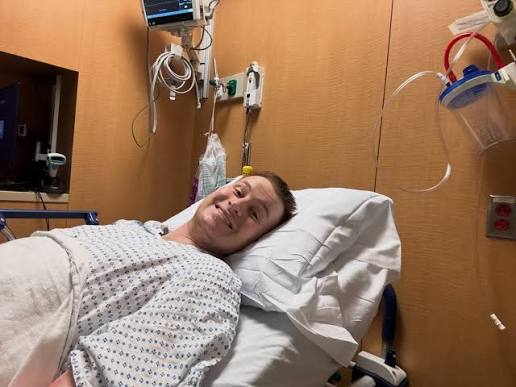
When Nathan was diagnosed with lymphoma at thirty-four, his world changed in a single afternoon. The doctors were optimistic because they had caught the disease early, but the months of chemotherapy ahead would be physically demanding. At home, life was already overwhelming. His wife, Julia, had given birth to their daughter only six weeks earlier and was still recovering from a difficult delivery. Both of them loved their newborn deeply, yet they were suddenly forced to balance sleepless nights, medical appointments, and financial worries all at once.
Advertisement
Nathan tried to keep life as normal as possible. Even after exhausting hospital treatments, he insisted on preparing bottles, folding laundry, and rocking the baby whenever he had enough strength. Julia appreciated his determination, but she often underestimated how dramatically chemotherapy affected his energy. Some mornings he looked healthy enough to smile and joke, only to spend the afternoon too weak to climb the stairs without stopping to rest.
Advertisement
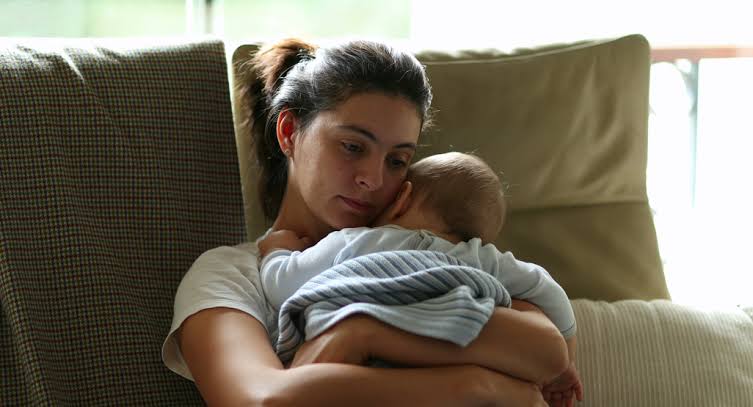
The constant lack of sleep slowly created tension between them. Julia spent nearly every hour caring for the baby while her own body continued healing from childbirth. Nathan silently blamed himself whenever he couldn’t finish household chores, believing he was failing as both a husband and a father. Instead of talking openly about their fears, they both bottled up their emotions until even small misunderstandings became painful arguments.
Advertisement
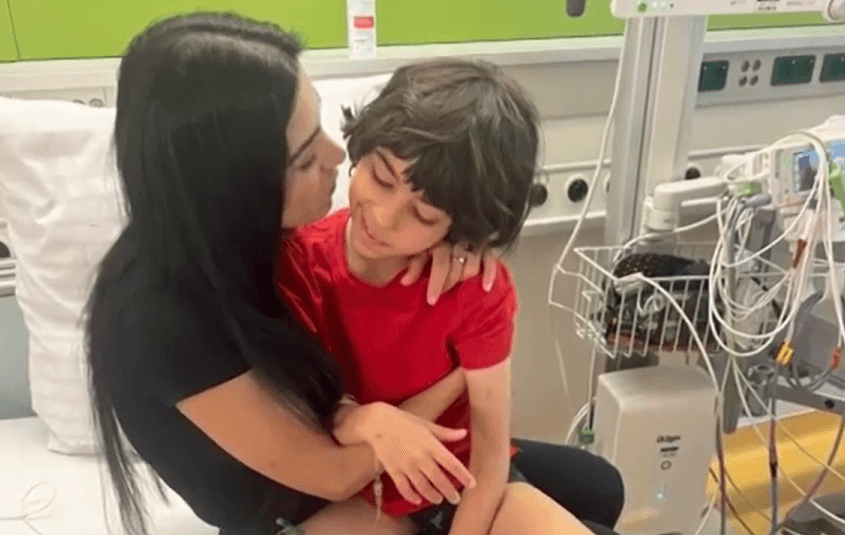
One evening, Nathan returned home after another treatment to find a long list of chores waiting on the kitchen counter. Julia hadn’t intended to criticize him—she simply felt overwhelmed and didn’t know how else to ask for help. Nathan stared at the list with tears in his eyes, knowing he genuinely wanted to complete every task but barely had enough strength to stand. For the first time since his diagnosis, he wondered whether illness was beginning to damage the family he loved most.
A week later, Julia attended one of Nathan’s oncology appointments. The doctor carefully explained that chemotherapy fatigue wasn’t ordinary tiredness but a profound physical exhaustion that could vary from hour to hour. Hearing the explanation from a medical professional changed Julia’s perspective. She realized Nathan hadn’t been avoiding responsibilities—he had been pushing himself far beyond what his body could safely manage.
After the appointment, Julia began paying closer attention to the small things Nathan did every day. She noticed that he often waited until she was asleep before quietly cleaning the kitchen because he didn’t want her to wake up to a mess. Even on days when chemotherapy left him pale and dizzy, he still tried to contribute in whatever ways he could.
Nathan, meanwhile, admitted he had been hiding just how difficult treatment had become. He worried that if he complained too much, Julia would feel completely alone caring for their newborn. Instead of asking for help, he had pushed himself beyond his limits, making his recovery even harder.
Realizing they couldn’t manage everything by themselves, Julia called her parents and Nathan’s sister. Within days, family members organized a schedule to deliver meals, help with grocery shopping, and babysit for a few hours each week. The simple acts of kindness immediately eased some of the pressure on the young couple.
With extra support, Nathan focused on following his doctor’s treatment plan instead of pretending he was stronger than he felt. Julia also began taking short breaks to rest, shower, or simply enjoy a quiet cup of tea while someone else watched the baby. Those small moments helped restore her energy.
One afternoon, Julia apologized for expecting Nathan to recover at the same pace every day. Nathan admitted he had never fully explained the unpredictable effects of chemotherapy because he didn’t want cancer to define their lives. Their honest conversation replaced weeks of silent frustration with understanding.
As the months passed, treatment continued bringing difficult days and better days. Sometimes Nathan could take long walks with the baby stroller around the neighborhood. Other times, he spent most of the afternoon sleeping. Julia learned to stop measuring his effort by completed chores and instead appreciated the determination behind every small contribution.
Friends from work organized a fundraiser to help cover transportation costs to the hospital. Nathan was overwhelmed by the generosity of people he barely expected to hear from. The support reminded both of them that accepting help wasn’t a sign of failure but a practical way to survive a difficult season.
Julia also joined a support group for new mothers. Listening to other women describe postpartum recovery helped her realize she wasn’t alone in feeling exhausted, emotional, and uncertain. She discovered that asking for help was just as important for her health as it was for Nathan’s.
One evening, Nathan smiled as he managed to feed their daughter without needing to sit down halfway through. It seemed like such a small achievement, yet to him it represented progress. Julia celebrated the moment with genuine excitement, recognizing how hard he had worked to regain even a little strength.
Their relationship slowly became less about dividing responsibilities equally and more about supporting each other according to what each person could realistically manage. Some weeks Julia carried more of the household burden. Other weeks Nathan felt stronger and happily took over several tasks.
The baby’s first laugh filled the house with joy neither of them had experienced in months. For a brief moment, hospital appointments, medication schedules, and sleepless nights faded into the background. They realized their family still had many beautiful memories waiting to be made.
Nathan’s doctors eventually reported encouraging news. The treatment was working better than expected, although recovery would still require patience. Hearing those words lifted an enormous weight from the couple’s shoulders and gave them renewed hope for the future.
Looking back, Julia understood that illness and postpartum recovery had affected both of them differently but just as profoundly. Neither had intended to hurt the other. They had simply been overwhelmed by circumstances neither could fully control.
The experience strengthened their communication. Instead of assuming what the other person needed, they began asking simple questions and listening carefully to the answers. Those conversations prevented small misunderstandings from becoming major conflicts.
A year after Nathan’s diagnosis, the family celebrated their daughter’s first birthday together. Watching her take her first steps reminded them how much life had changed in twelve months. Although the journey had been difficult, they had reached that milestone together.
Years later, Nathan often reflected that cancer had tested far more than his physical strength. It had taught their family the importance of honesty, patience, and accepting support when life became overwhelming. Julia felt the same about motherhood. Together, they discovered that the strongest families aren’t the ones who never face hardship—they’re the ones who learn to face it side by side.