I Love My Boyfriend, but I’m Exhausted From Constantly Proving Myself
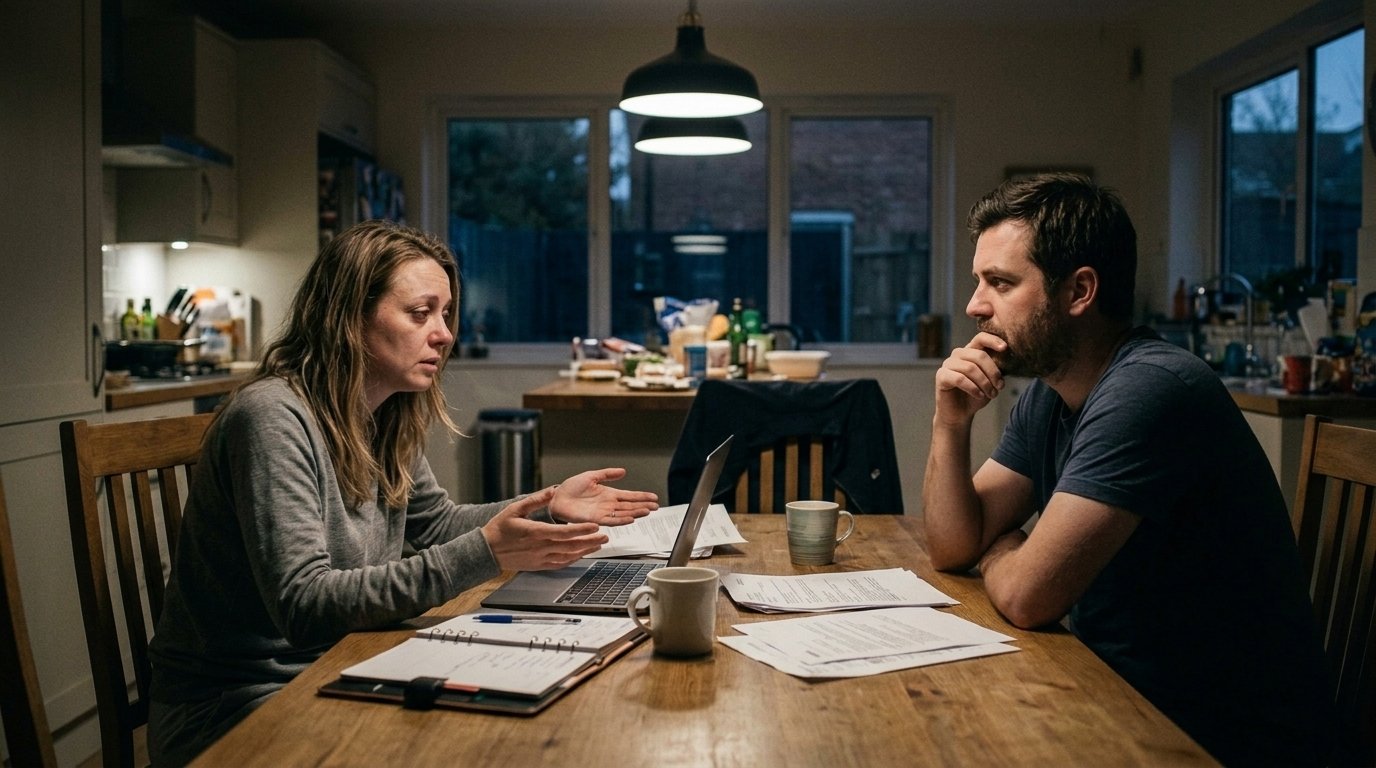
I never thought I would reach a point in my relationship where loving someone would start to feel like a responsibility I could never fulfill properly. I am 24 years old, and my boyfriend is 26. We have been together for a while, and when our relationship first began, everything felt natural and exciting. We enjoyed spending time together, talking about our lives, sharing our dreams, and making plans for the future. I felt appreciated for who I was, and I believed that my boyfriend understood how much I cared about him. I never expected our relationship to be perfect, because I knew that every couple had disagreements and different expectations. However, I always believed that love meant supporting each other, communicating honestly, and recognizing the effort both people made. Recently, things have started to feel different. My boyfriend has repeatedly told me that I do not do enough for him, and those words have slowly begun to affect the way I see myself. I love him, but I am becoming emotionally exhausted from constantly trying to prove that I am a good girlfriend.
At the beginning of our relationship, my boyfriend rarely made me feel as though I was failing him. We both made an effort to stay connected, and neither of us seemed to expect the other person to do everything. If he had a difficult day, I listened to him and tried to make him feel better. If I was stressed about something, he would usually offer support and encourage me. We could spend hours talking about almost anything, and even ordinary moments felt special because we enjoyed each other’s company. I genuinely believed we were building something meaningful. Over time, however, his expectations began to change. He started making comments about how other girlfriends treated their boyfriends, how much attention he thought a partner should give, and how relationships required a certain level of effort that he felt was missing from mine. At first, I assumed he was simply expressing his needs, so I tried to listen carefully and understand what he wanted. I thought that if I made a few adjustments and communicated better, we would return to the comfortable relationship we had in the beginning.
One of the biggest problems is that my boyfriend rarely gives me a clear explanation of what he means when he says I do not do enough. Sometimes he says I do not text him as frequently as he would like. Other times, he complains that I do not initiate plans often enough or that I do not make him feel special. There are also moments when he seems disappointed because I am tired after a long day and do not have the energy to talk for hours. I understand that communication and affection are important in a relationship, and I am willing to make an effort to meet my partner’s needs. However, it feels as though the standard keeps changing. When I make more time for him, he finds something else that I should be doing differently. When I initiate conversations, he says I should be more affectionate. When I plan something for us, he sometimes focuses on the things I did not consider. I find myself constantly wondering what he will complain about next. Instead of enjoying our relationship, I have started approaching it as though I am trying to pass a test for which I was never given the correct answers.
The most frustrating part is that I genuinely believe I am trying my best. I make time for him even when my schedule is busy, and I try to listen when he wants to talk about something that is bothering him. I remember little details about his life, ask about things that matter to him, and make an effort to show affection in ways that feel natural to me. If he tells me that he has had a stressful day, I try to be understanding rather than adding more pressure. When we disagree, I usually want to talk things through because I do not like leaving problems unresolved. I know I am not perfect, and there are times when I could communicate better or be more attentive. I am willing to acknowledge those shortcomings and work on them. What hurts is feeling that my efforts are almost invisible to him. He seems to focus much more on what I have not done than on what I have done. After hearing enough criticism, I have started questioning whether my way of showing love is somehow wrong or whether he simply expects something from me that I cannot consistently provide.
Whenever I try to explain how his comments make me feel, the conversation often becomes an argument about whether I am taking his words too personally. He says he is only telling me what he needs and that I should not become defensive whenever he brings up a problem. I understand that he has the right to communicate his feelings, and I do not want him to feel that he must remain silent about things that bother him. However, there is a difference between expressing a need and making your partner feel as though they are constantly disappointing you. I have tried telling him that I would respond better if he explained his expectations calmly and recognized the things I already do. Instead, he sometimes says that if I really loved him, I would naturally know what makes him happy. That statement bothers me because I do not believe love gives anyone the ability to read another person’s mind. I want to understand him, but I need him to communicate with me instead of expecting me to guess what he wants and then criticizing me when my guesses are wrong.
Recently, I have noticed that his complaints are affecting my confidence in ways I did not expect. Before, I could make plans with friends, focus on my responsibilities, or spend a quiet evening doing something I enjoyed without feeling guilty. Now, I sometimes catch myself checking my phone repeatedly because I worry that he might think I am ignoring him. If I cannot reply immediately, I start preparing an explanation in my head. If I feel tired and want some time to myself, I wonder whether he will interpret it as a lack of love. Even when we have a good conversation, I sometimes find myself waiting for a criticism to follow. I hate that I have started thinking this way because I never wanted our relationship to become a source of constant anxiety. I want to be able to love someone while still having a life of my own. I want to spend time with him because I enjoy his company, not because I am afraid that taking a few hours for myself will become another reason for him to question my commitment.
What makes this situation particularly difficult is that my boyfriend is not someone I dislike or want to hurt. There are things about him that I genuinely love. We have shared wonderful memories, laughed together, supported each other during difficult moments, and talked about a future that once seemed exciting and realistic. When things are good between us, I remember why I fell in love with him in the first place. He can be caring, funny, affectionate, and thoughtful. Those moments make me hopeful that we can work through our current problems. At the same time, I am beginning to understand that the good parts of a relationship do not automatically erase the painful parts. I cannot keep ignoring my exhaustion simply because I still love him. I also do not want to assume that he is deliberately trying to make me feel inadequate. Perhaps he has unmet emotional needs that he does not know how to express properly. Perhaps we have different expectations about attention, affection, and time together. I am willing to explore those possibilities, but I need him to be equally willing to understand my perspective.
I have started wondering what a healthier version of our relationship would look like. I would like us to sit down and have an honest conversation about what we both need without turning it into a competition over who does more. I want to ask him what specific actions would help him feel loved and appreciated, while also explaining what I need from him emotionally. I would like us to agree on realistic expectations that respect both our schedules, personal boundaries, and individual responsibilities. I am happy to make more effort when I understand what would genuinely help him, but I cannot promise to be available every moment or anticipate every unspoken expectation. I need reassurance and appreciation too. I need to feel that my efforts count, even when I cannot do everything exactly the way he wants. Most importantly, I want him to understand that a relationship should not require one person to constantly prove their worth. Both partners should feel secure enough to express their needs without making the other person feel inadequate. If we cannot have that kind of conversation, I may need to consider whether our expectations are simply too different.
For now, I am trying to understand my feelings instead of making a decision out of frustration. I still love my boyfriend, and part of me genuinely hopes that we can find a way to make our relationship healthier. I do not expect him to stop having needs, and I do not believe that being in a relationship means either person should stop making an effort. I simply want that effort to go both ways. I want to feel appreciated for the person I am, not constantly measured against an invisible standard that changes whenever I get close to meeting it. I am willing to listen, communicate, and make reasonable changes, but I also need to protect my emotional well-being. Love should encourage people to grow together, not leave one person feeling as though they are never good enough. I cannot keep sacrificing my peace just to convince someone that I care about him. I want a relationship where affection feels natural, communication feels safe, and both people recognize each other’s efforts. So now I find myself asking a difficult question: Am I failing to meet my boyfriend’s needs, or have I become so focused on proving my love that I have forgotten I deserve to feel loved too?
Read Story…
26M bf doesn’t think I 24F do enough for him
My boyfriend and I have been living together for two years.
I am feeling a lot of guilt for not being able to keep up with the requests of my boyfriend.
He makes more money than I do but we both work 40 hours a week.
We both contribute financially but he ends up paying more, and covering most of dates.
He expects for me to handle all household tasks, appointments, shopping, reminders, and cooking.
He does not even take his dishes to the sink after meals-never does any cleaning.
I was able to handle all of this on my own before living together but for some reason now I feel overwhelmed by all of the tasks.
I guess this is how his mom was growing up.
With cleaning I am expected to do everything a very particular way and within a certain time.
With cooking he rarely likes the meals I make and we can’t do any leftovers, he is a very picky eater, no vegetables, usually prefers fried food but never a lot of flavor.
He has told me numerous times that since he pays majority of the bills I should be able to handle this.
And I want to be a good girlfriend and take care of him.
I’ve started to get burnt out to the point of not wanting to do anything and half ass it.
How do you handle chores and things in your relationship?
TLDR: feeling burnt out doing all chores in relationship but it is what my bf expects. Feeling unappreciated.
I Love My Boyfriend, but I’m Exhausted From Constantly Proving Myself
I never imagined that I would reach a point in my relationship where loving someone would start to feel like a responsibility I could never fulfill properly. I am 24 years old, and my boyfriend is 26. We have been together for a while, and when our relationship first began, everything felt natural, exciting, and comfortable. We enjoyed spending time together, talking about our lives, sharing our dreams, and making plans for the future. I felt appreciated for who I was, and I believed my boyfriend understood how much I cared about him. I knew that no relationship was perfect, and I expected disagreements and occasional misunderstandings. However, I always believed that love meant supporting each other, communicating honestly, and recognizing the effort both people made. Recently, things have started to feel different. My boyfriend has repeatedly told me that I do not do enough for him, and those words have slowly begun to affect the way I see myself. I still love him deeply, but I am becoming emotionally exhausted from constantly trying to prove that I am a good girlfriend.
When we first started dating, I never felt that I had to work so hard to convince him that I cared. We both made an effort to stay connected, and neither of us seemed to expect the other person to handle everything. If he had a difficult day, I would listen to him and try to make him feel better. If I was struggling with something, he would usually offer support and encourage me. We could spend hours talking about almost anything, and even ordinary moments felt special because we genuinely enjoyed each other’s company. I remember feeling excited whenever his name appeared on my phone because our conversations made me happy rather than anxious. I believed we were building something meaningful and that our feelings for each other were secure. Looking back, I sometimes miss that version of our relationship. I miss being able to enjoy our time together without worrying that I had failed to do something he expected. I miss feeling like his partner rather than someone constantly trying to meet a standard that I do not fully understand.
Over time, my boyfriend began making comments about the things he believed a girlfriend should do for her partner. Sometimes he would mention how other couples behaved or how much attention he thought a woman should give her boyfriend. At first, I did not take those comments too seriously because I assumed he was simply explaining what made him feel loved. I listened carefully and tried to understand his expectations. I thought that if I made a few adjustments and became more attentive to the things he wanted, we would both feel happier. I started initiating conversations more often, checking in with him throughout the day, and making an effort to arrange time together. I genuinely wanted him to feel appreciated, and I did not mind making changes when they were reasonable. However, I slowly began noticing that whenever I improved in one area, another problem seemed to appear. Instead of feeling as though we were growing closer, I started feeling as though I was constantly being evaluated.
One of the biggest problems is that my boyfriend rarely explains clearly what he means when he says I do not do enough. Sometimes he complains that I do not text him frequently enough. Other times, he says I should initiate plans more often or make him feel more special. There are also moments when he becomes disappointed because I am tired after a long day and do not have the energy to talk for hours. I understand that communication and affection are important in a relationship, and I am willing to make an effort to meet my partner’s needs. However, it feels as though the standard keeps changing. When I make more time for him, he finds something else that I should be doing differently. When I initiate conversations, he says I should be more affectionate. When I arrange something for us, he sometimes focuses on what I did not consider. I find myself wondering what he will complain about next. Instead of enjoying our relationship, I have started approaching it as though I am trying to pass a test for which I was never given the correct answers.
I genuinely believe that I put effort into our relationship, even if my boyfriend does not always recognize it. I make time for him when my schedule allows, listen when he wants to talk about his problems, and remember little details about his life. If he tells me that he has an important day coming up, I try to ask him about it afterward. When he is stressed, I do my best to be patient and supportive. I also try to communicate when something bothers me because I want us to resolve problems rather than allow resentment to build. I know I am not perfect, and there are certainly moments when I could be more attentive or communicate better. I am willing to acknowledge my mistakes and work on them. What hurts is feeling that my efforts are almost invisible to him. He seems to focus much more on what I have not done than on what I have done. After hearing enough criticism, I have started questioning whether my way of showing love is somehow wrong or whether he expects something from me that I cannot realistically provide all the time.
One evening, we were talking on the phone after I had finished a particularly exhausting day. I had been busy with my responsibilities and was looking forward to relaxing for a little while. I wanted to hear about his day, but I also knew that I did not have the energy for a long conversation. I told him that I was tired and suggested that we talk for a little while before going to bed. He immediately seemed disappointed and asked why I always had an excuse when it came to spending time with him. I explained that I was not avoiding him and that I simply needed some rest. Instead of accepting that explanation, he said that if I really wanted to talk to him, I would find the energy. His words made me feel guilty for being exhausted. I stayed on the phone longer than I wanted because I did not want another argument. After we finally ended the call, I sat quietly and wondered why something as ordinary as being tired had turned into a discussion about whether I loved him enough.
That incident made me realize how often I had started ignoring my own needs to prevent disagreements. If I wanted to spend an evening alone, I would reconsider because I worried he might feel neglected. If I was busy with friends or family, I sometimes felt compelled to explain myself more than necessary. Even when I needed a break from my phone, I would check it repeatedly because I did not want him to think I was ignoring him. I never wanted our relationship to become a source of anxiety, yet I was beginning to organize parts of my day around avoiding his disappointment. I understood that being in a relationship involved compromise, and I was not expecting to live as though I were single. But compromise should not mean that one person always has to put their own needs aside. I wanted to feel free to tell him that I was tired without worrying that my honesty would be interpreted as rejection. I wanted to have personal time without feeling that I needed to earn permission to enjoy it.
Whenever I try to explain how his comments affect me, the conversation often turns into an argument about whether I am being too sensitive. He says that he is only telling me what he needs and that I should not become defensive whenever he brings up a problem. I understand that he has the right to express his feelings, and I do not want him to feel that he must remain silent about things that bother him. However, there is a difference between expressing a need and making your partner feel as though they are constantly disappointing you. I have tried telling him that I would respond better if he explained his expectations calmly and recognized the things I already do. Sometimes I even ask him to give me specific examples so that I can understand what he wants to change. Unfortunately, he sometimes responds that if I truly loved him, I would naturally know what makes him happy. I find that expectation unfair because love does not automatically give someone the ability to read another person’s mind.
I have also noticed that my boyfriend sometimes compares our relationship with other couples. He might mention that someone else’s girlfriend texts her boyfriend throughout the day or that another couple spends nearly every weekend together. Whenever he makes these comparisons, I feel as though I am being measured against people whose circumstances I do not know. I have no idea what their schedules look like, how they communicate privately, or what compromises they make behind closed doors. I only know that every relationship is different and that people express affection in different ways. I might not be the kind of girlfriend who sends dozens of messages every hour, but that does not mean I do not care. I show affection by listening, remembering details, making time when I can, and trying to support the person I love. I wish my boyfriend would pay more attention to the relationship we actually have instead of comparing it with an imagined version of someone else’s relationship. Those comparisons make me feel inadequate rather than motivated to become a better partner.
The hardest part is that I genuinely want to make him happy. When someone I love tells me that they feel neglected, my first instinct is to understand why and see whether I can do something differently. I do not want him to feel unimportant, and I do not want to dismiss his emotional needs simply because I experience things differently. However, I am beginning to realize that there is a limit to how much I can change without losing the balance in my own life. I cannot always be available immediately, anticipate every expectation, or guarantee that he will never feel disappointed. I have work, personal responsibilities, friendships, family relationships, and my own emotions to manage. I want to be a loving girlfriend, but I also want to remain a complete person outside the relationship. I worry that if I keep trying to satisfy every expectation without discussing whether it is realistic, I will eventually become resentful. I do not want to reach a point where even hearing his voice feels stressful because I am afraid another complaint is coming.
There are moments when I question whether I am actually doing something wrong. I replay our conversations in my head and wonder whether I should have called him more often, planned more dates, or expressed affection differently. Sometimes I make a list of the things I have done for him, only to feel guilty for keeping track at all. I never wanted our relationship to become a competition over who gives more. I believe love should involve generosity, and I do not want to approach every interaction as a transaction. At the same time, I need some reassurance that my efforts matter. It is difficult to keep giving emotionally when the response is usually another reminder that something is missing. I have started asking myself whether his expectations are genuinely reasonable or whether I have become so accustomed to criticism that I automatically assume I am at fault. I know that I have room to grow, but I also know that no one can become a perfect partner simply by trying harder. There must be room for mistakes, differences, and ordinary human limitations.
Despite everything, I cannot pretend that our relationship has no good moments. My boyfriend can be affectionate, funny, and thoughtful. There are days when we laugh together, talk about our future, and enjoy each other’s company without any tension. He has supported me at times when I needed encouragement, and I still appreciate the qualities that made me fall in love with him. Those positive experiences are part of the reason I have not simply walked away from the relationship. I remember how happy we were at the beginning, and I believe that the connection between us is real. However, the good moments also make the difficult ones confusing. After a wonderful day together, I sometimes wonder whether I have been worrying too much about our problems. Then another disagreement happens, and I find myself feeling inadequate again. I do not want to ignore the positive parts of our relationship, but I am beginning to understand that happy memories cannot resolve an ongoing problem unless both people are willing to address it.
A few days ago, I decided to ask my boyfriend directly what he needed from me. I wanted to move beyond general statements and have a practical conversation about how we could improve our relationship. I asked him what specific actions would help him feel more appreciated and whether there were certain things he wished we did together more often. I explained that I was willing to listen, but I also needed him to understand that I could not meet expectations he never communicated clearly. At first, he seemed pleased that I was taking the conversation seriously. He mentioned that he wanted me to initiate more plans, show affection more openly, and make him feel like a priority. Those requests were not impossible to understand. I told him that we could discuss a realistic balance and find ways to make time for each other. However, I also asked whether he could recognize the effort I already made instead of focusing exclusively on what he felt was missing.
When I asked him to acknowledge my efforts, he became defensive. He said that I should not expect praise for doing the basic things a girlfriend was supposed to do. I was surprised by that response because I had not asked for constant compliments or special recognition for every small gesture. I simply wanted him to understand that I was trying. I wanted to feel that he noticed when I made time for him, listened to his concerns, or adjusted my schedule so we could spend time together. I told him that appreciation did not have to mean celebrating every ordinary act. Sometimes it meant acknowledging that the other person was making an effort and responding with kindness rather than criticism. He replied that relationships required work and that I should not expect him to be impressed by things he considered normal. I understood his point to some extent, but I wondered why that same principle did not seem to apply when he wanted something from me. Why was my effort treated as a basic obligation while his expectations were treated as needs that deserved immediate attention?
That conversation left me feeling more confused than before. I had hoped we would finish the discussion with a clearer understanding of each other’s needs, but instead I felt as though I had been given another list of responsibilities. I could initiate more dates, communicate more often, and try to express affection in ways that mattered to him. Those were all things I could consider. What I could not understand was why there seemed to be so little room to discuss my emotional needs in the same conversation. I wanted to feel appreciated, trusted, and accepted even when I could not give him all the attention he wanted. I wanted him to understand that my need for rest or personal time was not a statement about his worth. I also wanted him to be more careful about how he communicated disappointment. I told him that I wanted us to find a balance where neither of us felt neglected or overwhelmed. He said that I was making the conversation about myself again, and I left feeling as though my perspective had no place in a discussion that was supposed to help both of us.
Since then, I have found myself thinking about the difference between compromise and constantly trying to prove my worth. Compromise means both people make adjustments because they care about the relationship. It means recognizing that partners have different needs and working together to find a balance. Constantly proving yourself feels different. It feels as though you must repeatedly demonstrate that you deserve affection, patience, and understanding. I do not want my boyfriend to feel that he must accept every decision I make without question. I am willing to listen when he tells me that something is bothering him. However, I want the same opportunity to express my concerns without being told that I am selfish or insufficiently committed. I want us to discuss problems as two people who are on the same team. At the moment, I often feel as though he is judging my performance while I am trying to explain why I deserve a little understanding. That dynamic is exhausting, and I am worried about what it will do to our relationship if it continues.
I have also started noticing how the situation affects my mood outside our conversations. There are days when I am perfectly happy until I see a message from him asking why I have not contacted him sooner. Suddenly, I feel anxious and begin thinking about whether I have done something wrong. Sometimes I delay replying because I need a moment to gather my thoughts, even though I know that avoiding the conversation will not solve anything. Other times, I respond immediately and try to reassure him, even when I am in the middle of something important. I dislike this pattern because it makes me feel as though my attention is being controlled by fear rather than affection. I want to reply to his messages because I am excited to hear from him, not because I am afraid of the consequences of being unavailable. I want to feel comfortable telling him that I will respond later when I am busy. A healthy relationship should allow both partners to have independent lives without interpreting every delay or quiet moment as evidence that something is wrong.
One thing I have tried to remind myself is that I cannot be responsible for every feeling my boyfriend experiences. I can care about his happiness, listen to his concerns, and make reasonable efforts to strengthen our connection. However, I cannot guarantee that he will never feel insecure, disappointed, or lonely. Those emotions can arise for many reasons, and sometimes they require a conversation rather than an immediate change in my behavior. I also recognize that I am responsible for communicating honestly instead of expecting him to guess what I need. If I am overwhelmed, I should tell him. If I need personal time, I should explain that clearly. If I feel hurt by his comments, I should discuss them rather than pretending that everything is fine. I am willing to take responsibility for my part in our relationship. What I do not want is to accept responsibility for everything that goes wrong between us. A partnership cannot become healthy if one person is always trying to fix the relationship while the other person decides whether those efforts are enough.
I sometimes wonder whether my boyfriend realizes how much his repeated complaints have affected me. Perhaps he genuinely believes that he is simply being honest about his needs and has no idea that his words make me question myself. If that is the case, I hope he can listen when I explain the impact of his behavior. People do not always understand how they sound to someone who loves them, especially when they are frustrated or feeling insecure themselves. I do not want to assume that he has bad intentions without giving him a chance to understand my perspective. At the same time, good intentions cannot be the only thing that matters. If I tell him clearly that his comments are hurting me, I need him to take that information seriously. I need to see whether he is willing to change how he approaches disagreements. If he continues to dismiss my feelings after understanding them, then I will have to consider whether our relationship is meeting the emotional needs of both people.
Another concern is that I have begun to feel guilty whenever I do something for myself. If I spend an evening with friends, I sometimes wonder whether I should have invited him or arranged our plans differently. If I decide to watch a movie alone or spend time on a personal interest, I worry that he might interpret it as a sign that I do not prioritize him. I know that relationships require time and attention, but I also believe that maintaining individual interests is important. Before dating him, I had routines and activities that made me happy, and I do not want to lose those parts of myself. I want to share my life with my boyfriend, not make him the entire center of it. I believe he should be able to enjoy his own interests and friendships too. If we both feel secure in the relationship, we should be able to spend time apart without treating it as a threat. I want us to build a connection that makes our lives richer rather than one that requires either person to abandon their independence to prove commitment.
I have considered whether our differences come from the way we each understand affection. Perhaps he feels most loved through frequent communication and constant attention, while I show love through practical support, thoughtful gestures, and being present when something important happens. Neither approach is automatically wrong, but they may not always match. If this is the main problem, then we need to learn how to recognize each other’s ways of expressing care. I could make a conscious effort to initiate more conversations or plan dates more regularly, while he could learn to appreciate the ways I already show affection. We could agree on reasonable expectations about communication and quality time rather than leaving everything to assumptions. I would be happy to make those changes if they helped both of us feel closer. But I do not think different preferences should become a reason for one person to feel permanently inadequate. Understanding each other should bring us closer, not create an endless cycle in which one person keeps changing while the other continues to find fault.
I also think we need to discuss how we handle criticism. It is possible to tell someone that you need more affection without suggesting that they are a bad partner. It is possible to express disappointment without comparing them with other people or questioning whether they truly love you. I want to be able to hear my boyfriend’s concerns without immediately feeling that my entire character is being judged. In return, I need to listen carefully instead of dismissing his feelings simply because I disagree with his interpretation. I believe we could make progress if we approached these conversations with curiosity rather than defensiveness. Instead of saying that I never do enough, he could explain what happened and what he would appreciate next time. Instead of silently worrying that I have disappointed him, I could tell him when I feel overwhelmed and ask for a realistic solution. Those changes may sound small, but I think they would make a significant difference in how safe we both feel expressing our needs.
At the same time, I know that a relationship cannot improve through communication alone if only one person is willing to participate. I can explain my feelings clearly, listen to his concerns, and make reasonable adjustments, but I cannot force him to appreciate those efforts. I cannot make him recognize that I care if he has already decided that my behavior is never enough. I do not want to assume that this is what he believes, but his repeated complaints have made me wonder. If he genuinely wants us to build a stronger relationship, he will need to show that he is willing to consider my perspective as seriously as I consider his. I am not asking him to abandon his needs or pretend that everything is perfect. I am asking him to understand that I have needs too. Both of us should be able to express disappointment, ask for changes, and acknowledge each other’s efforts. Without that mutual willingness, I fear that I will continue trying harder while becoming less confident and less happy.
There are times when I imagine what our relationship might look like a year from now if nothing changes. I picture myself continuing to check my phone anxiously, worrying about whether I have replied quickly enough, and wondering whether I have done enough to make him feel loved. I imagine becoming increasingly hesitant to express my own needs because I do not want to trigger another argument. That possibility scares me because I do not want to become resentful toward someone I love. I also do not want to lose confidence in myself simply because our expectations are difficult to reconcile. I know that every relationship has challenging periods, and I am not expecting happiness every day. However, I want the difficult periods to lead to understanding and growth rather than leave me feeling progressively more exhausted. If we continue having the same argument without making meaningful changes, I will eventually need to ask myself whether staying in the relationship is healthy for me. I do not want to make that decision impulsively, but I cannot ignore the possibility.
For now, I am trying to approach the situation calmly. I want to have another honest conversation with my boyfriend, preferably at a time when neither of us is already upset. I plan to explain that I understand he wants more attention and affection, and I am willing to discuss specific ways we can improve our connection. I also want to tell him that the repeated statements about me not doing enough have started affecting my confidence and making our relationship feel stressful. I need him to understand that I cannot respond positively to every request if I feel that I am constantly being criticized. I would like us to agree on realistic ways to spend quality time together, communicate when we are busy, and show appreciation for the things we already do. I hope he will be willing to share his feelings without blaming me and listen to mine without assuming I am making excuses. I want this conversation to be an opportunity for both of us to understand each other rather than another argument about who is right.
I am also reminding myself that loving someone does not mean ignoring my own emotional limits. I can be patient without accepting endless criticism. I can be understanding without agreeing to every expectation. I can acknowledge my mistakes without deciding that I am a bad girlfriend. These are distinctions I am still learning to make because I genuinely want my relationship to work. I do not want to become defensive whenever my boyfriend brings up a concern, and I do not want to dismiss the possibility that I could improve in certain areas. But I also need to protect the parts of my life that make me feel balanced and confident. I deserve to rest when I am tired, spend time with people I care about, and pursue my own interests without feeling guilty. Those things do not cancel out my love for him. In fact, I believe that maintaining a healthy sense of self can help me become a better partner because I will be giving from a place of genuine affection rather than fear, pressure, or exhaustion.
One of my biggest hopes is that my boyfriend will begin to recognize the difference between asking for love and demanding constant proof of it. I want him to feel secure enough to tell me when he needs more attention without making me feel that I have failed him. I want to be able to say that I need some space without worrying that he will question my feelings. I want us to appreciate the things we naturally do for each other while remaining open to learning new ways of showing affection. I understand that reassurance can be important, especially when someone has insecurities or previous relationship experiences that affect their expectations. I am willing to offer reassurance when I can, but I also believe it should be possible to build trust over time. No amount of constant texting, planning, or explaining can create lasting security if one person always needs another demonstration before believing they are loved. We both need to participate in building that security through honesty, consistency, respect, and a willingness to understand each other.
Despite my frustration, I have not decided that our relationship is beyond repair. I still care about my boyfriend, and I remember the many reasons I wanted to be with him. I want to believe that we can learn from this difficult period and build a healthier relationship. However, I am beginning to understand that love alone cannot resolve every problem. We also need compatible expectations, respectful communication, and a willingness to change when our behavior hurts each other. If he can listen to what I am saying, recognize my efforts, and work with me to find a balance, I believe we have an opportunity to improve. If he continues to insist that I am never doing enough while refusing to consider my needs, then I will have to think carefully about what that means for my future. I do not want to leave simply because we have different preferences, but I also do not want to remain in a relationship where I feel permanently inadequate. I want a partnership in which both people feel loved, respected, and emotionally supported.
For now, I am trying to remember that I do not have to be a perfect girlfriend to deserve a healthy relationship. I can make mistakes, have difficult days, need personal time, and still genuinely love my partner. I can listen to his concerns without accepting every criticism as proof that I am failing. I can make an effort to understand his needs while expecting him to understand mine in return. I want a relationship where affection feels natural, communication feels safe, and both people recognize the effort the other person makes. I do not want to spend the next several years constantly wondering whether I have done enough to keep someone happy. I want us to grow together, support each other’s independence, and build a connection that makes both of our lives better. I still love my boyfriend, but I am beginning to realize that I cannot keep proving my love at the expense of my peace. So now I am left wondering: Am I failing to meet my boyfriend’s needs, or have I become so focused on proving that I love him that I have forgotten I deserve to feel loved and appreciated too?