One Birthday, One Terrible Mistake, and a Marriage I’m No Longer Sure About
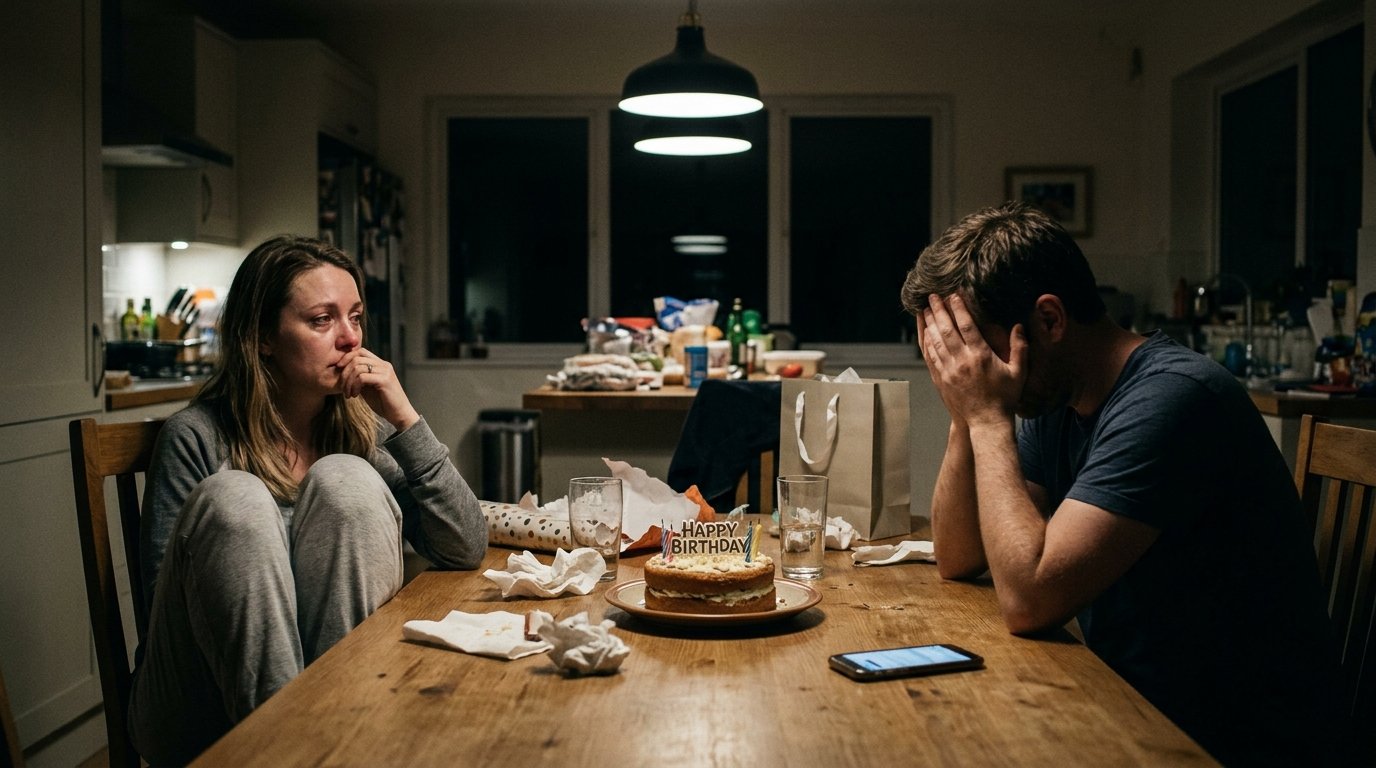
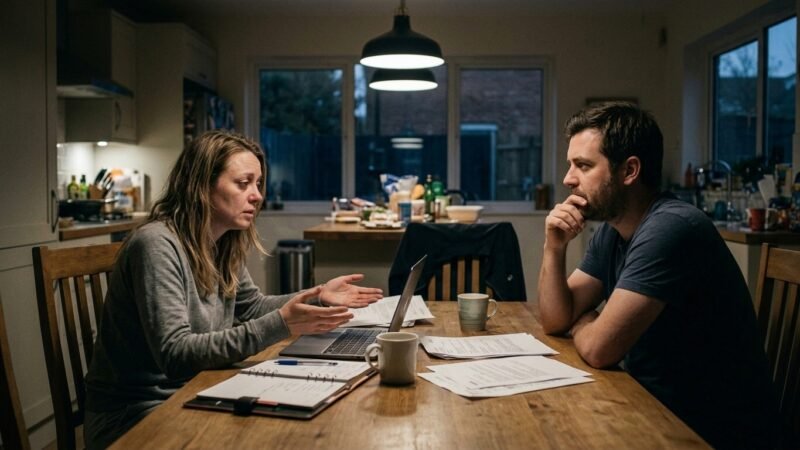
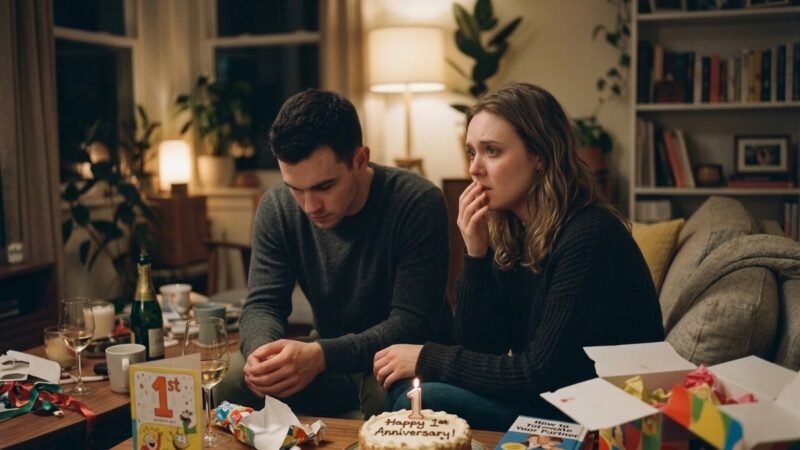
I never imagined that a single birthday could change the way I looked at my husband and our marriage. I am 32 years old, and my husband is 35. We have been together for several years, and throughout our relationship, I always believed that we understood each other better than anyone else. Like every couple, we have had disagreements, stressful periods, and moments when we struggled to communicate, but I never questioned whether he genuinely loved me. I thought we had built a strong relationship based on trust, respect, and the little things we did for each other every day. That is why what happened on my birthday hurt me so deeply. It was not simply about a celebration, an expensive gift, or a romantic dinner. It was about feeling forgotten by the one person who was supposed to know me best. Now, several days after the incident, I am still struggling to understand how someone who claims to love me could make me feel so unimportant on a day that meant so much to me.
My birthday had been approaching for weeks, and I had been looking forward to spending some quality time with my husband. I had not asked for anything extravagant. I did not expect expensive jewelry, a surprise vacation, or a huge party with dozens of guests. All I wanted was a little effort and the feeling that he had actually thought about me. I had mentioned several times that I wanted us to spend the evening together, enjoy a nice dinner, and perhaps watch a movie afterward. I even told him that I would be happy with a simple homemade meal if he planned it himself. He assured me that he had everything under control and that I should not worry about anything. His confidence made me excited because I genuinely believed he was planning something special. I spent the days leading up to my birthday imagining a peaceful evening with the person I loved, unaware that my expectations would soon turn into disappointment.
On the morning of my birthday, I woke up hoping that my husband would make me feel special in some small way. Instead, he seemed completely distracted. He checked his phone repeatedly, answered a few work messages, and went about his usual routine as though it were an ordinary day. At first, I tried not to take it personally. I reminded myself that people sometimes get busy and that he might have something planned for later. I made breakfast, got ready for the day, and waited for him to acknowledge the occasion properly. Eventually, he wished me a happy birthday, but there was no card, no flowers, and no sign of the thoughtful surprise he had hinted at earlier. I tried to smile and act as though everything was fine because I did not want to appear demanding. Still, a small part of me felt disappointed. I kept telling myself that perhaps he was saving his effort for the evening, so I pushed those feelings aside and decided to give him the benefit of the doubt.
As the afternoon approached, I asked my husband what time we would be leaving for dinner. That was when he casually told me that he had made other plans and needed to attend a gathering with some friends. I honestly thought he was joking. I reminded him that it was my birthday and that we had already discussed spending the evening together. He looked at me as though I were making an unnecessary fuss and explained that he had forgotten about the timing of the gathering. According to him, it was not a big deal because we could celebrate another day. I felt my stomach drop. I had been looking forward to that evening, and he was treating our plans as though they were completely disposable. When I asked why he had promised to organize something if he was going to make other arrangements, he became defensive. He told me that I was putting too much pressure on him and that birthdays were not as important as I was making them out to be. His response hurt more than the canceled plans themselves because it made me feel as though my feelings were an inconvenience.
I tried to explain that I was not upset because he had failed to buy me a gift or arrange an expensive celebration. I was upset because he had promised to spend time with me and then acted as though that promise meant nothing. I wanted him to understand that birthdays are important to me because they are opportunities to feel appreciated and connected to the people I love. I had never expected him to read my mind. I had communicated what I wanted clearly, and he had assured me that he understood. Instead of acknowledging my disappointment, he accused me of being ungrateful and said that nothing he did would ever be enough for me. That statement left me speechless. I had spent years trying to be supportive, understanding, and considerate of his needs, and I could not understand why asking for one evening together made me seem unreasonable to him. I eventually stopped arguing because I realized that we were no longer discussing the birthday itself. We were arguing about whether my feelings deserved to be taken seriously in the first place.
The situation became even more painful later that evening when I discovered that my husband had apparently put considerable effort into his plans with his friends. He had communicated with them in advance, arranged the details, and made sure everyone knew where to meet. Seeing that effort made me realize that he was capable of planning something thoughtfully when he wanted to. He had not simply been too busy or too overwhelmed to organize an evening. He had chosen to prioritize something else after assuring me that my birthday was taken care of. I do not know whether he intended to hurt me, and I am trying not to assume that he deliberately planned to disappoint me. However, the difference between the effort he made for his friends and the effort he made for me was impossible to ignore. I spent the evening at home, trying to distract myself with television and messages from friends who remembered my birthday. Every time my phone lit up, I hoped it might be my husband checking on me or acknowledging what had happened. Instead, I was left feeling increasingly lonely in a marriage where I had expected to feel loved.
When my husband finally returned home, he seemed surprised that I was still upset. He acted as though the evening had been perfectly normal and asked why I was being so quiet. I told him that he had hurt me and that I needed him to acknowledge what he had done. Rather than apologizing, he insisted that he had done nothing serious enough to justify my reaction. He said that we were adults and should not make such a big deal out of birthdays. I asked him to imagine how he would feel if I promised to celebrate an important occasion with him, canceled at the last minute, and then blamed him for being disappointed. He responded that he would not react the way I was reacting. That answer made me feel even more misunderstood. I was not asking him to agree with every emotion I experienced. I was asking him to care that his actions had hurt me. Eventually, I told him that I did not want to continue the conversation that night. I went to bed feeling emotionally exhausted, while he carried on as though the problem would disappear if we simply stopped talking about it.
Since then, I have found myself looking back at other moments in our relationship that I previously dismissed. There have been times when I arranged plans around his schedule, supported him through stressful situations, and made an effort to remember the things that mattered to him. I never kept score because I believed that love was about giving without constantly calculating what you would receive in return. However, this incident has forced me to consider whether I have been making excuses for a pattern of behavior that deserves more attention. Perhaps I have been so focused on being an understanding wife that I have ignored my own need to feel appreciated. Perhaps he has become so comfortable with my willingness to forgive that he no longer realizes how much his actions affect me. I do not want to turn one disappointing birthday into a judgment on our entire marriage, but I also do not want to pretend that nothing happened. What troubles me most is not the missed dinner or the lack of a gift. It is the fact that when I told him I was hurt, he seemed more concerned with defending himself than understanding me.
I still love my husband, and that is what makes this situation so difficult. If I had stopped caring about him, perhaps it would be easier to walk away from the disappointment and move on. Instead, I find myself wondering whether we can repair what happened and whether he is willing to recognize the deeper issue behind our argument. I do not expect perfection from him, and I know that I have made mistakes in our relationship too. I simply want to feel that my happiness matters to him and that I can express disappointment without being labeled dramatic or ungrateful. I am considering having another conversation with him when we are both calm, but this time I want to focus on the way we communicate and the expectations we have for our marriage. I need to see genuine accountability, not just a quick apology designed to end an uncomfortable discussion. Part of me hopes that this incident will become an opportunity for us to understand each other better. Another part of me is afraid that his reaction has revealed something about our relationship that I can no longer ignore. I have not made any major decisions yet, but I know that I cannot simply forget how I felt that evening. So now I am left asking myself a question I never thought I would have to consider: Am I holding on to one terrible birthday mistake, or am I finally recognizing a bigger problem in my marriage?
Read Story…
My (32F) husband (35M) ruined my birthday and I can’t forgive him
My birthday was this past weekend, and it’s something that I’m genuinely excited about every year. I’ve had some great birthdays in the past, celebrating with friends, sometimes travelling, and sometimes not.
My husband kept asking me what I wanted to do, and I told him exactly that.
There is a piece of jewellery I’ve been eyeing at Cartier for a few months now, and I just wanted an opportunity to go look at it.
I had no expectation of him buying that for me, but I’ve had a few significant milestones over the last 2 months.
My health has deteriorated earlier in the year to the point that my parents had to come stay with us to take care of me, and I finally got a bit better. I finished 1 year at a new (and demanding) job. My husband insisted that we should celebrate these milestones, and made me excited about the trip to Cartier. I only wanted to look, and did not expect him to buy anything for me.
I want to emphasise, that he was the one who insisted that we go look at the earrings I was eyeing. It came from him, not me.
Now, a few other things going on in the background. He tried to plan my birthday dinner the night before, with a group of people. Some are close friends of mine and others are his friends.
My friends unfortunately could not make it, and I expressed that I would prefer that it just be the 2 is us since I didn’t want to spend my birthday dinner with people I don’t particularly like, and who I think don’t treat me with respect and kindness.
He made me still have the dinner with his friends, so that was a sad dinner for me. I didn’t think much of it, just exited for the next day. I just wanted one day out of the year, that is reserved for me, to be about me.
So I let the disappointment of the dinner go.
On the day of my birthday ( a Sunday) we knew the schedule was a bit tight. I had booked a skincare appointment weeks in advance, because I wanted just one hour of relaxation.
He knew that we would need to leave at a certain time, so that we could visit both Cartier and my skincare clinic. Unfortunately, he made us both super late. We ended up only have 15 minutes of time to visit Cartier. On top of that, even though he knew we were late, he felt the need to text his ex back.
For some context, she had reached out to ask for the number of a lawyer.
The problem is, that he had cheated on me while we were dating with this girl. Publicly.
He knew how much they had hurt me, and that I was still not over it. But he just felt the need to take time out of my birthday, and text her when he knew we were getting late for something I was excited about.
On top, he told me that he did not get an appointment at Cartier. He hadn’t even tried. So naturally, we did not get to go in.
What bothers me, is that he insisted that we go there to celebrate some big milestones.
He had set that expectation. He just couldn’t even give me one day.
The day that’s supposed to be about me. He even found the time to have a long video call with his friends, even though he knew we were late.
It’s been a few days since that weekend, and I just keep thinking about it, and well as all the other times similar things have happened. I’ve been asking for some respect in this marriage for quite some time now. Every fight we have ever had, has been because I didn’t think he respected my time and opinions. Every single time, he has promised me that he will change.
But I think I am done. I don’t feel any anger anymore, just sadness.
TL;DR: my husband ruined my birthday, and I cannot forgive him.
When One Birthday Made Me Question My Marriage
I never imagined that something as ordinary as a birthday could make me question the foundation of my entire marriage. I am 32 years old, and my husband is 35. We have been together for several years, and for most of that time, I genuinely believed we had built a strong and loving relationship. We were not a perfect couple, but we understood each other, supported each other through difficult moments, and usually found ways to work through our disagreements. I trusted him with my feelings, my fears, and my future. I believed that even when life became stressful, we would always make an effort to show each other that we mattered. That is why what happened on my birthday affected me so deeply. It was not just about a disappointing celebration or the absence of a thoughtful gift. It was about realizing that the person I had trusted to understand me could dismiss my feelings so easily. Now, I find myself wondering whether this was one terrible mistake or a sign of a much bigger problem that I have been ignoring for years.

Advertisement
Birthdays have always been meaningful to me, although I have never expected extravagant celebrations. Growing up, my family made an effort to celebrate special occasions, even when money was tight. Sometimes we had homemade cake, inexpensive decorations, and a simple dinner around the kitchen table. Those memories taught me that birthdays were less about gifts and more about making someone feel appreciated. I carried that belief into my marriage. I have never expected expensive jewelry, luxury vacations, or elaborate surprises from my husband. A handwritten card, a favorite meal, or a few hours spent together would have been enough to make me happy. I have always believed that thoughtful gestures matter more than their financial value. My husband knew this about me because we had discussed it many times. I had explained that I did not need anything extravagant to feel loved. I simply wanted to know that he had thought about me and cared enough to make an effort on a day that was special to me.
As my thirty-second birthday approached, I began looking forward to spending the evening with my husband. We had both been busy lately, with work responsibilities and the ordinary demands of daily life taking up most of our time. We still lived together and talked every day, but sometimes our conversations felt more like discussions about errands, schedules, and household responsibilities than meaningful moments of connection. I thought my birthday would give us an opportunity to slow down and enjoy each other’s company. A few weeks before the date, I mentioned that I would love to have dinner together and perhaps watch a movie afterward. I told him that we could stay home if he preferred, as long as we made the evening feel special. He smiled and said that he would take care of everything. His response made me happy because I thought he understood exactly what I wanted. I did not ask him to make elaborate arrangements or spend money we could use elsewhere. I simply trusted his promise.
During the days leading up to my birthday, my husband seemed unusually busy with his phone. He received several messages, spent more time than usual checking notifications, and occasionally smiled at something on his screen before putting it away. I wondered whether he might be planning a surprise, but I did not ask because I did not want to spoil anything. I actually felt excited by the possibility that he had taken my request seriously and was organizing something thoughtful. I imagined that perhaps he had chosen a restaurant we both liked or planned a quiet evening at home with my favorite food. Whenever he told me not to worry about my birthday, I believed him. Looking back, I realize that I was placing a great deal of trust in a promise that he had made casually. At the time, however, I had no reason to assume that he would deliberately disappoint me. I thought my husband knew me well enough to understand how much a little effort would mean.
On the morning of my birthday, I woke up feeling hopeful. I had gone to bed the previous night imagining that the day might bring something unexpected and wonderful. When I came downstairs, my husband was already awake and looking at his phone. He wished me a happy birthday, gave me a quick kiss, and returned to whatever he had been reading. I smiled and thanked him, trying not to expect too much from the beginning of the day. Perhaps he was waiting until later to do something special. I made breakfast, got ready for the day, and went about my usual routine. Nothing about the morning was particularly unpleasant, but there was also nothing that made it feel different from any other weekday. I reminded myself that the day was still young. My husband might have been busy with work, and I did not want to judge the entire day based on its first few hours. I decided to remain positive and give him the opportunity to make the evening memorable.
By lunchtime, I had received several birthday messages from friends and relatives. Some people sent sweet paragraphs, while others called to wish me well. Their messages made me smile, but they also reminded me that my husband had not done anything beyond his brief greeting that morning. I tried not to compare his behavior with anyone else’s because every relationship is different. I knew he was not naturally as expressive as some of my friends’ partners, and I had never expected him to become a completely different person just because it was my birthday. Still, I thought he might have written me a small note or brought home something simple that showed he had remembered what I liked. I kept checking the time and wondering whether he had planned anything for the evening. I even considered asking him directly, but I stopped myself because I wanted the effort to come from him naturally. I did not want to spend my birthday reminding my husband that I wanted to feel special.
Later that afternoon, I finally asked my husband what time we would be leaving for dinner. I was expecting him to tell me to get ready or perhaps reveal where he intended to take me. Instead, he looked up from his phone and said he had made plans to meet some friends that evening. For a moment, I genuinely thought I had misunderstood him. I reminded him that we had already discussed spending my birthday together and that he had promised to organize something. He paused and then admitted that he had forgotten about our plans when he agreed to meet his friends. He said they had arranged the gathering earlier and that he did not think it would be a big problem if we celebrated another day. I felt as though someone had suddenly pulled the ground out from under me. I had spent weeks looking forward to a simple evening together, and he was telling me that it could easily be postponed. The casual way he said it made the disappointment even harder to accept.
I asked him whether he had genuinely forgotten that it was my birthday or whether he simply did not consider our plans important enough to keep. I was not trying to start a fight. I wanted to understand how he could promise me something and then make other arrangements without even discussing them with me. He sighed and said that he had been busy and that these things happened. According to him, we could have dinner another night, so there was no reason for me to become upset. I explained that the problem was not the dinner itself. It was that he had assured me he would make the day special and then treated the commitment as though it meant nothing. He responded that I was making the situation more complicated than it needed to be. That statement immediately made me feel defensive because I had not asked for anything unreasonable. I had simply believed what my husband told me. Now, instead of acknowledging that he had broken a promise, he seemed determined to convince me that I had no right to feel disappointed.
I tried one more time to explain what I had been hoping for. I told him that I did not care whether we went to a restaurant, ordered takeout, or cooked something together at home. I would have been happy with an hour of uninterrupted time, a meaningful conversation, and the feeling that he had made an effort. I reminded him that I had deliberately kept my expectations simple because I knew we both had responsibilities. I was not asking him to spend a fortune or abandon his friends forever. I was asking him to honor a plan he had made with his wife. Instead of listening, he told me that birthdays were not such a big deal once people became adults. He said that I should be mature enough to understand that other commitments sometimes came first. His words made me feel as though my feelings were childish and embarrassing. I wondered whether he would speak the same way if I had canceled plans for an important occasion in his life. I could not imagine doing that to him and then blaming him for being hurt.
The conversation quickly became an argument. I told him that being an adult did not mean pretending that nothing mattered or accepting disappointment without being allowed to express it. He accused me of expecting too much from him and suggested that I was impossible to satisfy. That accusation stunned me because I had always tried to be understanding of his limitations. When he had stressful days at work, I gave him space. When he needed time with his friends, I encouraged him to enjoy himself. When he forgot small things, I usually let them go because I did not believe every mistake needed to become a major conflict. I had never kept a list of everything he had done wrong. Yet the moment I explained that he had hurt me, he acted as though I were attacking his character. I told him I was not calling him a bad husband. I was asking him to acknowledge one specific decision that had disappointed me. Unfortunately, he seemed unable to separate criticism of his actions from criticism of who he was as a person.
Eventually, I stopped arguing because I realized that we were going in circles. Every time I explained why I was upset, he responded by telling me why I should not be upset. He never paused to consider how the situation might look from my perspective. I went upstairs and sat on the edge of the bed, trying to calm myself. I felt embarrassed by how much the incident had affected me. Part of me wondered whether I really was making too much of a simple birthday disappointment. Another part of me knew that I would never have treated him the same way. If I had promised to spend an important evening with him and then canceled because something more entertaining came along, I would have expected him to feel disappointed. I would have apologized and tried to make things right. The fact that my husband could not understand this basic difference left me feeling emotionally alone. I did not want to spend my birthday crying over an argument, but I also could not force myself to pretend that everything was fine.
I eventually went back downstairs and tried to carry on with the day. I did not want to spend every remaining hour thinking about the argument, so I answered a few messages and spoke with a family member who called to wish me a happy birthday. Their kindness helped temporarily, but I could not shake the feeling that something important had gone wrong between my husband and me. I kept thinking about the promise he had made weeks earlier. If he had told me from the beginning that he might be busy, I could have arranged something else for myself. I would still have been disappointed, but at least I would not have spent the entire day expecting him to follow through. What hurt was the gap between what he had promised and what he ultimately chose to do. I realized that my disappointment was not only about the canceled evening. It was also about the fact that I had trusted him to keep his word, and he had not seemed concerned about the effect his decision would have on me.
As the evening approached, I asked him whether he was still planning to go out with his friends. I suppose a small part of me hoped he might change his mind after realizing how hurt I was. Instead, he said that he had already committed to the gathering and did not want to cancel at the last minute. I asked him why he had not considered that argument before making the commitment in the first place. He replied that I was trying to make him feel guilty for having a social life. I was shocked by the accusation because I had never tried to prevent him from spending time with his friends. In fact, I had often encouraged him to maintain those friendships. I simply believed that plans with a spouse deserved consideration too. There was a difference between asking him to give up his social life and expecting him to respect an agreement he had already made with me. I tried to explain that difference, but he seemed determined to interpret my disappointment as an attempt to control him.
Before leaving, my husband changed his clothes, checked his appearance in the mirror, and asked whether I had seen his keys. I watched him prepare for the evening with a level of attention that he had not shown toward my birthday. He made sure he had everything he needed, confirmed the meeting details, and checked his phone for messages from his friends. I stood in the hallway feeling increasingly invisible. I knew I could tell him again that I was hurt, but I had already explained myself several times. I did not want to beg him to stay home or force him to celebrate with me. If he stayed only because I made him feel guilty, the evening would not feel meaningful anyway. I wanted him to recognize on his own that he had broken a promise and that his wife deserved some consideration. When he finally picked up his jacket, he asked whether I was going to keep giving him the silent treatment. I told him I was not trying to punish him. I simply did not know what else to say.
My husband left shortly afterward, and the silence inside our home felt heavier than usual. I stood by the window for a few moments, watching his car disappear down the street. I had imagined spending the evening laughing with him, sharing dinner, and talking about the things we wanted to accomplish over the next year. Instead, I was alone in our house, trying to understand how a day that had begun with so much hope had become so painful. I considered ordering my favorite food and watching a movie, but even the thought of doing something for myself felt strangely disappointing. It was not that I could not enjoy my own company. I was perfectly capable of spending an evening alone. The sadness came from knowing that I had expected companionship from my husband and had been left feeling like an afterthought. I wanted to feel chosen, not because it was my birthday, but because I was his partner and the person with whom he had chosen to build a life.
I eventually ordered dinner and sat at the kitchen table by myself. I tried to focus on the food, but my mind kept returning to the argument. I remembered the times I had stayed up late helping my husband through difficult work situations, the occasions when I had rearranged my schedule to accommodate his plans, and the small surprises I had organized simply because I knew they would make him happy. I had never done those things expecting a reward. I loved him, and I wanted him to feel supported. Still, I began wondering whether I had unintentionally taught him that my needs could always be postponed because I would eventually understand. I had spent so much time being the flexible one that perhaps he no longer considered how much flexibility required from me. I did not want to become someone who counted every favor or demanded equal treatment in every situation. But I also did not want a marriage in which one person’s preferences automatically took priority while the other person’s feelings were treated as optional.
At one point, a close friend called to ask how my birthday was going. I hesitated before answering because I did not want to turn the conversation into a complaint about my husband. When she asked whether we had gone out for dinner, I finally admitted that he had made other plans. She was quiet for a moment before asking whether he had at least arranged something for another day. I told her that he had suggested celebrating later but had not actually made any arrangements. She sounded surprised and asked whether I was okay. That simple question almost made me cry. I realized that I had been so busy trying to convince myself that the situation was not serious that I had not allowed myself to admit how hurt I felt. My friend did not tell me to leave my husband or insist that he was a terrible person. She simply listened while I explained what had happened. For the first time that day, I felt that someone was willing to hear my feelings without immediately explaining why I should not have them.
After the call, I thought carefully about what I wanted from my marriage. I did not want expensive presents or constant attention. I wanted partnership. I wanted to feel that when my husband made a promise to me, he considered it worth keeping. I wanted to know that if he hurt me unintentionally, he would care enough to listen when I explained it. These did not seem like unreasonable expectations, but the argument had made me question whether we understood marriage in the same way. Perhaps he believed that providing for our shared responsibilities and living together comfortably were enough to demonstrate love. Perhaps he genuinely did not understand why emotional gestures mattered so much to me. If that was the case, we needed to discuss it. But if he understood and simply believed that my feelings should come second whenever they conflicted with his preferences, then the problem would be much deeper. I could not determine which explanation was correct from one argument alone. Still, I knew I needed to stop dismissing the questions that had begun forming in my mind.
Later that evening, I noticed that my husband had posted a picture from the gathering with his friends. Everyone appeared relaxed and happy, and the caption made it clear that they were enjoying themselves. I did not object to him having fun. What bothered me was seeing how easily he had made time for an event that mattered to him while treating our plans as something that could be moved whenever convenient. He had remembered the gathering, prepared for it, and followed through without difficulty. Yet he had forgotten the commitment he had made to me. I stared at the picture longer than I wanted to admit before putting my phone away. I knew that comparing myself with his friends would not help, but the contrast was difficult to ignore. I was not asking to become the center of his world every day. I simply wanted to feel that I occupied a meaningful place in it. Instead, I felt as though I had been left outside a life in which everyone else seemed to know how to receive his attention.
When my husband returned home, it was later than I had expected. He entered the house looking tired but otherwise appeared to be in a perfectly normal mood. He asked whether I had eaten and then began telling me about something funny that had happened at the gathering. I listened quietly, unsure how he could discuss his evening so casually when we had ended the afternoon in such a painful argument. After a few minutes, he noticed that I was not responding much and asked what was wrong. I looked at him and said that I was still hurt by what had happened. His expression changed immediately. He sighed and said that he had hoped I would have moved on by then. That response made me feel as though the only acceptable outcome was for me to stop expressing my disappointment, regardless of whether the underlying issue had been resolved. I told him that feelings did not disappear simply because he was tired of discussing them. He replied that he did not want another argument, and the conversation became tense almost immediately.
I asked him whether he could understand why I was hurt, even if he personally did not consider birthdays important. I explained that I was not demanding that he share every preference I had. I was asking him to respect something that mattered to me because he knew it mattered to me. He responded that he could not be responsible for every expectation I had and that I needed to learn how to enjoy things without depending on him to make them special. I agreed that my happiness was not entirely his responsibility. I have my own interests, friendships, and goals, and I do not expect my husband to manage my emotions for me. However, I also believe that marriage involves caring about how our decisions affect each other. There is a difference between expecting someone to create happiness for you and expecting them not to dismiss something they have promised to do. I tried to explain that distinction, but he seemed to hear only an accusation that he was failing as a husband. We were discussing two different things, and neither of us seemed able to make the other understand.
At one point, my husband said that he had not realized the birthday was such a big deal to me. I reminded him that I had discussed it with him several times and had specifically explained what I wanted. He looked frustrated and said that I should have reminded him more clearly on the actual day. I found that particularly upsetting because I did not believe it should be my responsibility to manage every detail of a promise he had made voluntarily. If he had forgotten an appointment or needed a reminder about a practical task, I could understand. But I had already told him that I wanted to spend the evening together, and he had reassured me that he would arrange it. I did not think I should have to send him repeated reminders to make him take the commitment seriously. I wanted the effort to come from his own understanding of our relationship. I told him that I was tired of feeling like the manager of every important emotional moment between us. He responded that I was making him feel inadequate, and once again, the discussion shifted away from the decision that had hurt me.
The argument eventually became quieter, but it did not end with an apology. My husband went to bed, and I remained awake for a long time thinking about our relationship. I replayed our conversation, wondering whether I could have explained myself differently or chosen better words. I considered whether my disappointment had made me more emotional than usual. Then I reminded myself that I had tried several times to explain the situation calmly before the discussion became an argument. I could accept that my husband might not have intended to hurt me. What I struggled to accept was his refusal to acknowledge the impact of his actions. Intentions matter, but they do not erase consequences. If someone accidentally hurts a person they love, they can still show concern, apologize, and try to repair the situation. I did not need him to admit that he had deliberately ruined my birthday. I needed him to recognize that he had made a promise, broken it, and then dismissed me when I expressed my disappointment. Without that acknowledgment, I could not see how we would move forward honestly.
The following morning, I woke up feeling emotionally drained. My birthday was over, but the tension between us remained. My husband behaved as though we should return to our normal routine, asking about breakfast and discussing what needed to be done around the house. I answered his questions, but I could not pretend that the previous evening had not happened. Every ordinary interaction reminded me of how quickly our disagreement had become a question of whose feelings mattered. I did not want to spend the entire week arguing, so I focused on my work and tried to maintain some normality. Still, I found myself thinking about the difference between peace and resolution. Sometimes couples stop arguing because they have genuinely understood each other and found a way forward. Other times, one person simply becomes exhausted and stops bringing up the issue. I did not want us to fall into the second pattern. I had done that before with smaller disagreements, and I was beginning to wonder whether those unresolved moments had contributed to the distance I now felt between us.
Over the next few days, I paid more attention to the way we interacted. I noticed how often our conversations revolved around practical responsibilities and how rarely we talked about our feelings without one of us becoming defensive. We could discuss bills, work schedules, shopping lists, and weekend plans without difficulty. But when a conversation involved disappointment, vulnerability, or unmet expectations, we seemed to struggle. I wondered whether this had always been true and whether I had simply overlooked it because our relationship was comfortable in other ways. My husband was not someone who constantly shouted or insulted me. We shared good memories, laughed together, and had supported each other through difficult periods. Those positive experiences were real, and I did not want to erase them because of one painful incident. At the same time, good memories could not automatically resolve a present problem. A marriage needed more than shared history. It needed the ability to address uncomfortable situations with honesty and respect. I began to understand that my uncertainty was not only about my birthday. It was about how we handled hurt when it appeared between us.
I also began thinking about the occasions when I had made an effort to celebrate my husband’s achievements and important moments. I remembered preparing his favorite food after a particularly stressful week and organizing a small gathering when he reached a professional milestone. I remembered listening to him talk through problems even when I was tired, because I knew he needed someone to hear him. I had never considered these gestures sacrifices. They were simply ways of showing love. However, I realized that I had sometimes assumed he would automatically understand my needs because I understood his. That may have been unfair in its own way. People do not always express affection in the same language, and perhaps my husband did not place the same importance on birthdays that I did. I was willing to acknowledge that possibility. But differences in preferences did not explain why he became dismissive when I told him I was hurt. Even if he had not understood the importance of the occasion, he could still have listened to me without turning my disappointment into a personal attack.
One afternoon, I decided to speak with him again, but this time I wanted to avoid repeating the same argument. I waited until we were both relatively relaxed and asked whether we could talk about what had happened without blaming each other. He seemed reluctant at first, but he agreed to sit down with me. I told him that I did not want to spend our marriage arguing over birthdays or keeping score of who did more for whom. I wanted us to understand why the incident had hurt me so much and why our conversation afterward had made the situation worse. I explained that I could forgive a forgotten plan if he acknowledged the mistake and showed genuine concern. What I found difficult was feeling that I had to defend my right to be disappointed. I told him that I wanted to be able to express my feelings without worrying that he would call me dramatic or ungrateful. I also asked him to tell me honestly how he had experienced the situation, because I wanted to understand his perspective rather than assume I knew everything he had been thinking
At first, my husband repeated that he had been busy and had not intended to hurt me. He said that the gathering with his friends had seemed like a harmless commitment and that he had not expected the cancellation to become such a serious issue. I told him that I believed him when he said he had not intended to hurt me, but I needed him to understand that the impact was still real. I explained that if he had come home, apologized, and suggested a specific plan to celebrate together, I probably would have felt disappointed for a while but would not have remained so upset. The way he responded after I expressed my feelings had made the incident much harder to move past. He became quiet for a moment, and I hoped he was finally considering what I was saying. Then he asked whether I expected him to apologize every time I became upset about something. That question made me realize how differently we viewed accountability. I was not asking him to apologize for every emotion I experienced. I was asking him to take responsibility when his own decisions had contributed to a problem between us.
I told him that an apology was not a punishment or an admission that someone was a terrible person. It was a way of acknowledging that a decision had hurt someone and that the relationship mattered enough to repair the damage. I explained that I did not want to win an argument. I wanted us to feel like a team again. When one of us was hurt, I wanted the other person to become curious about what had happened rather than immediately prepare a defense. My husband listened, although I could not tell whether he agreed with me. He said that he did not want me to think he did not care about me. I told him that I did not believe he had no love for me, but love was not something I could experience only through his intentions. I experienced it through the way he treated me, the promises he kept, and the care he showed when things became difficult. I needed our daily behavior to reflect the love he said he felt. Otherwise, I would continue to feel confused about where I stood in his life.
For a moment, the conversation seemed to be moving in a better direction. My husband admitted that he could have handled the situation differently and that he should have spoken to me before making other plans. Hearing him acknowledge that much gave me some relief. I told him that I appreciated his honesty and that I was willing to work through the situation. I did not expect him to become perfect overnight, and I did not want one argument to define our entire relationship. However, I also needed him to understand that I could not simply forget the incident because he had finally acknowledged part of his mistake. I asked whether he could apologize for dismissing my feelings and whether we could agree to communicate more thoughtfully in the future. He said he was sorry that I had been hurt, but his tone felt hesitant. I could not tell whether he genuinely understood or whether he wanted the discussion to end. I decided not to force a particular response out of him. I wanted any apology he offered to be sincere, not something he said only because I had asked for it.
After our conversation, my husband suggested that we go out for dinner the following weekend to make up for my birthday. Part of me was happy that he had finally suggested a plan, but another part of me felt strangely uncertain. A dinner was exactly the kind of thing I had wanted in the first place, yet now I found myself wondering whether it would happen because he genuinely wanted to spend time with me or because he wanted to stop the conflict. I did not want to become suspicious of every kind gesture he made. That would be unfair to both of us and would make it difficult to rebuild trust. I told him that I would like to go out together, but I also explained that the dinner alone would not resolve everything. We needed to change the way we handled disagreements. I wanted us to be more intentional about making time for each other, keeping our commitments, and acknowledging mistakes. He said he understood, and I hoped that his willingness to make another plan was the beginning of a more meaningful effort rather than a temporary solution.
As the weekend approached, I found myself feeling both hopeful and cautious. I wanted to enjoy spending time with my husband without carrying the argument into every moment. At the same time, I did not want to bury my feelings simply because we had arranged a replacement celebration. I reminded myself that rebuilding trust often required patience and that one conversation could not change years of habits overnight. If we were going to improve our relationship, both of us would need to make an effort. I would need to communicate honestly without assuming the worst, and he would need to listen without immediately treating my feelings as criticism. We would both need to recognize that being married did not mean we would always understand each other automatically. It meant choosing to understand each other, especially when doing so was uncomfortable. I did not know whether we could accomplish that, but I knew I wanted to give the conversation a chance. I still loved him, and I was not ready to abandon the marriage without understanding whether this problem could genuinely be repaired.
When the weekend arrived, we went out for dinner as planned. My husband chose a restaurant we both enjoyed, and we spent some time talking about work, family, and ordinary things that had happened during the week. The evening was pleasant, and for a while, I was able to relax. I appreciated that he had followed through on the new plan, and I did not want to overlook that effort. However, I also noticed that neither of us mentioned the original argument. I wondered whether he believed the matter had been resolved simply because we were sitting across from each other at a restaurant. I did not want to turn the dinner into another difficult conversation, so I allowed us to enjoy the evening. We laughed about a few things and talked about plans for the coming month. There were moments when I felt the familiar connection that had drawn me to him in the first place. Those moments reminded me why I had invested so much in our relationship. They also made the situation more complicated because I knew that loving someone and feeling hurt by them could exist at the same time.
On the drive home, my husband reached for my hand and told me that he was glad we had gone out together. I squeezed his hand and said that I had enjoyed the evening too. For a moment, I felt hopeful that we might be moving past the disappointment. Then I asked whether he thought we had understood each other better after our conversation earlier in the week. He paused before saying that he hoped so, but he also felt that I had made the original situation bigger than it needed to be. My heart sank a little. I had thought we were beginning to understand the difference between the canceled plans and the way he had dismissed my feelings afterward. His response suggested that he still viewed my reaction as the main problem. I did not argue with him in the car because I did not want another disagreement to ruin the evening. Instead, I told him that I hoped we could continue talking about it over time. He nodded, and we finished the drive in relative silence. I realized that a pleasant dinner could bring us closer temporarily without necessarily resolving the issue underneath it.
In the days that followed, I began paying attention to whether our conversation would lead to meaningful changes. I did not expect grand gestures or constant reminders that he loved me. I wanted to see whether he would take my concerns seriously when similar situations arose. Would he communicate with me before changing plans? Would he acknowledge my feelings without immediately defending himself? Would he make an effort to spend time with me because our relationship mattered, rather than because I had complained about feeling neglected? These were not tests I announced or secret rules I expected him to follow. They were simply the ordinary signs I needed to see to understand whether we were genuinely improving. I also made an effort to be clear about my own needs instead of assuming that he would recognize them without explanation. I wanted to approach the situation fairly. My husband deserved the opportunity to learn from his mistake, but I deserved to see that learning reflected in his behavior. Promises mattered, but consistent actions would tell me much more.
One thing this experience has taught me is that a marriage can look perfectly stable from the outside while still containing problems that neither partner knows how to address. Friends and relatives might see two people who share a home, attend family gatherings, and manage their responsibilities together. They might assume that everything is fine because there are no obvious signs of conflict. Yet emotional distance can develop quietly when one person repeatedly feels unheard. It does not always begin with a dramatic betrayal or a major crisis. Sometimes it begins with small disappointments that are dismissed rather than discussed. Over time, those moments can make someone hesitate before expressing a need or sharing a vulnerable feeling. I do not want that to happen in my marriage. I do not want to become so accustomed to being dismissed that I stop asking for the connection I need. I also do not want to assume that every disagreement means our relationship is failing. I want us to learn how to face uncomfortable moments together instead of treating them as threats to our individual pride.
I have not decided that my marriage is beyond repair, and I do not want anyone to assume that one disappointing birthday automatically means a relationship should end. My husband and I have shared years of experiences, supported each other through difficult times, and built a life that still means a great deal to me. There are many things I appreciate about him, and I do not want to erase those things because of one painful incident. However, I also know that love cannot be the only reason I stay silent when something hurts me. A healthy relationship should leave room for both people to express disappointment, take responsibility, and make changes. If my husband can genuinely understand why this incident affected me and become more considerate in the future, I believe we have something worth working on. If he continues to dismiss my feelings or expects me to accept every disappointment without discussion, then I will have to think more seriously about what that means for our future. I am not looking for a perfect marriage. I am looking for a marriage in which both people are willing to care for the relationship they share.
For now, I am giving myself time to understand my feelings instead of making a major decision while I am still hurt. I want to see whether my husband is willing to work with me rather than simply wait for the issue to disappear. I am considering suggesting that we have regular conversations about our relationship, including what makes each of us feel appreciated and what we need when disagreements occur. If we continue struggling to communicate, I would also be open to couples counseling, provided we both approach it with a genuine willingness to participate. I do not believe counseling should be treated as a punishment or proof that a marriage has failed. Sometimes two people need help understanding patterns they cannot easily see on their own. At the same time, I know that I cannot do all the work by myself. I can explain how I feel, listen to his perspective, and make reasonable efforts to improve our communication, but he must be willing to meet me halfway. Our future depends on whether we can both accept that responsibility.
When I think about my birthday now, I no longer focus on the dinner I missed or the gift I never received. I think about the moment I realized that my husband and I might have very different ideas about what it means to make someone feel loved. I wanted him to understand that the small things mattered because they showed consideration, not because they carried a price tag. He seemed to believe that I should be able to overlook the disappointment because the occasion was not important to him in the same way. Neither of us can build a healthy marriage by insisting that only our own perspective is reasonable. I still love my husband, and I hope we can use this experience to become more thoughtful partners. But I can no longer pretend that the way we handle hurt does not matter. I want to forgive him, but forgiveness cannot mean convincing myself that my feelings were never important. I want to move forward without resentment, yet I also need to know that my trust will be treated with care. So I am left with a question I never expected to ask after my thirty-second birthday: Was this simply one terrible mistake that we can learn from, or did this birthday reveal a deeper problem in a marriage I am no longer sure about?