Recovering New Mom With NICU Newborn Feels Abandoned After Husband’s Paternity Leave Decisions
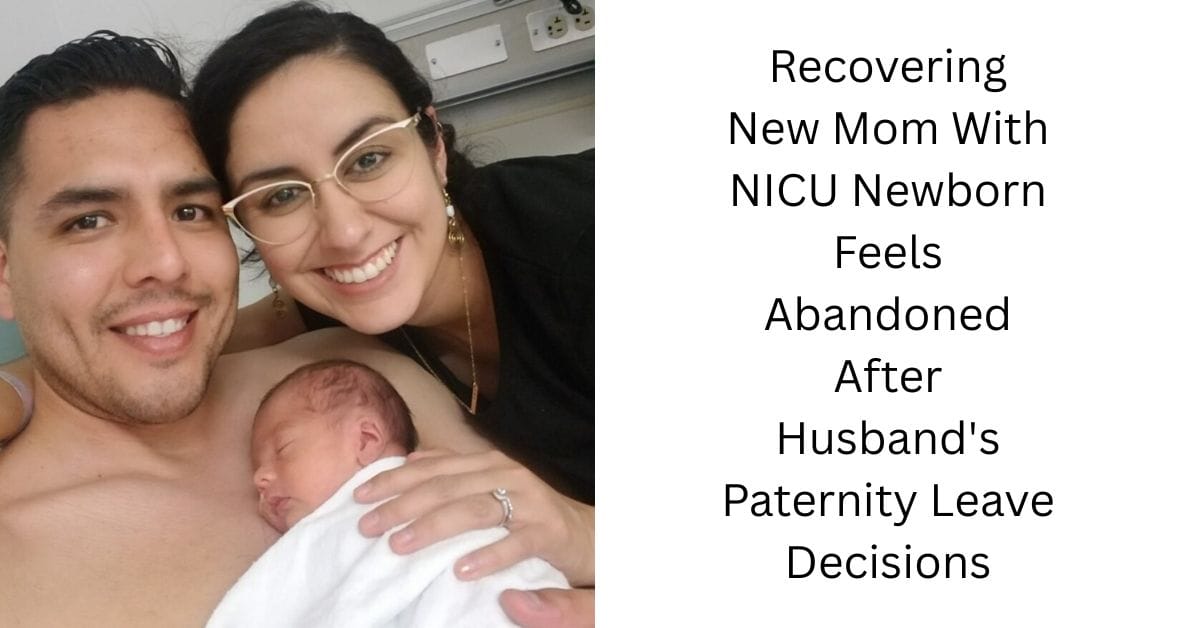
Thirty-year-old Olivia had imagined that bringing her first child into the world would be filled with joyful first moments, quiet nights at home, and shared responsibilities with her husband, Ethan. Instead, their son arrived several weeks early and was admitted to the Neonatal Intensive Care Unit (NICU) for specialized care. Recovering from a difficult delivery while making daily trips to the hospital left Olivia physically exhausted and emotionally overwhelmed. Although doctors were optimistic about the baby’s progress, every day in the NICU felt like an emotional roller coaster for the new parents.
Ethan qualified for several weeks of paid parental leave through his employer, and Olivia believed they would spend that time supporting each other and visiting their son together. However, Ethan decided to postpone most of his leave until after the baby was discharged, reasoning that it would be more practical once the family was finally home. While he continued working full-time, Olivia found herself attending medical updates alone, speaking with doctors by herself, and recovering from childbirth without the consistent support she had expected. She understood his reasoning, but the loneliness made each day increasingly difficult.
As the weeks passed, Olivia struggled to balance her physical recovery with the emotional strain of watching her newborn connected to monitors and medical equipment. Friends and relatives visited when they could, but many hours were spent sitting quietly beside the incubator, wishing Ethan could share those moments with her. When she tried explaining how isolated she felt, Ethan insisted he was making the most responsible financial decision for their family’s future. Although his intentions were practical, Olivia couldn’t shake the feeling that she was carrying the emotional burden alone during one of the hardest periods of her life.

Advertisement
One evening, after an especially stressful day in the hospital, the couple finally had an honest conversation. Olivia explained that she wasn’t asking Ethan to solve every problem or abandon his responsibilities at work—she simply needed his presence and reassurance during a frightening time. Hearing her describe the experience from her perspective helped Ethan realize that emotional support was just as valuable as careful financial planning. Together, they explored ways to adjust his leave schedule and make more time for hospital visits while still preparing for their baby’s eventual return home.
Over the following days, Ethan arranged a more flexible plan with his employer and began spending more time at the hospital alongside Olivia. Facing the uncertainty together strengthened their relationship and reminded them that parenting often requires balancing practical decisions with emotional needs. When their son was finally healthy enough to leave the NICU, they brought him home not only with gratitude for the medical team that had cared for him, but also with a renewed commitment to communicate openly, support one another, and face future challenges as partners.
Read Story…
AITA for telling my husband that paternity leave isn’t a holiday?
AITA for telling my husband that paternity leave isn’t a holiday?
I (30sF) gave birth to our son a few days ago. It was incredibly traumatic. I had a severe postpartum haemorrhage, lost 1.8 litres of blood, and had emergency surgery to remove my placenta. I’m still recovering.
Our son was born with pulmonary atresia with intact ventricular septum and was admitted straight to the NICU. He’ll likely need heart surgery, and we’ve since been told they’ve found another abnormality they’re investigating.
My husband has a son from a previous relationship (Greg). I want to be clear that I have no issue with Greg meeting his little brother or spending time with his dad. I’ve never asked him to choose between his children.
Two days after I gave birth, I thought Greg’s mum would bring him to meet the baby before taking him home. Instead, my husband collected Greg and spent the entire day with him. They went on the London Eye, had lunch, he had a beer, then went home to play Xbox until Greg was collected around 9pm.
During that day, my husband spent around 20 minutes with our newborn in the NICU and barely saw me. My mum stayed with me on the postnatal ward, but she couldn’t come into the NICU, so I was making my own way to see our son while recovering from major blood loss and surgery.
When I explained I wasn’t upset Greg had visited but that I hadn’t expected to be left alone all day while our baby was critically ill, my husband became defensive. He said he enjoyed spending time with Greg and that he was “being a parent.”
I replied that I wasn’t saying he shouldn’t parent Greg. I was saying I needed him to be a husband to me and a father to our newborn during what was a medical emergency.
When I later explained how serious my blood loss had been, his response was, “My sister lost 5.”
The next day I told him doctors had found another abnormality with our son’s heart. He complained nobody had told him. I pointed out he’d already left because he’d only spent about 20 minutes in the NICU.
I’ve now been discharged, but our son is still in the NICU. I’m exhausted and terrified to leave him, while my husband has again spent the morning taking Greg to the cinema.
I finally told him that paternity leave isn’t supposed to be a holiday and that I don’t feel supported. I said if this is what his paternity leave looks like, I’d almost rather he went back to work because at least then I’d understand why I was doing everything alone.
He says I’m being unfair because he’s trying to balance both children.
AITA?
A Young Couple’s Dream Of Parenthood Was Finally Coming True
Thirty-one-year-old Sarah and her husband, Michael, had spent years dreaming about becoming parents. They decorated a nursery, attended prenatal classes together, and imagined bringing their baby home to begin the next chapter of their lives.

Advertisement
Their plans changed unexpectedly when Sarah went into labor several weeks earlier than expected. After a difficult delivery, their daughter, Lily, was admitted to the Neonatal Intensive Care Unit for specialized monitoring and treatment.
Although doctors reassured the couple that Lily’s condition was stable, Sarah found herself overwhelmed. Recovering from childbirth while worrying about her newborn left her physically exhausted and emotionally drained.
Advertisement
Michael’s employer offered several weeks of paid parental leave, giving the couple flexibility to decide when to use it. They initially assumed they would make the decision together after speaking with Lily’s medical team.
After considering their finances, Michael decided to save most of his leave until Lily was discharged from the hospital. He believed having uninterrupted time together at home would be the most practical choice for their family.

Advertisement
Sarah understood his reasoning but quietly hoped he would spend more time with her during the hospital stay. Each day she traveled to the NICU alone, recovering from surgery while carrying the emotional weight of uncertainty.
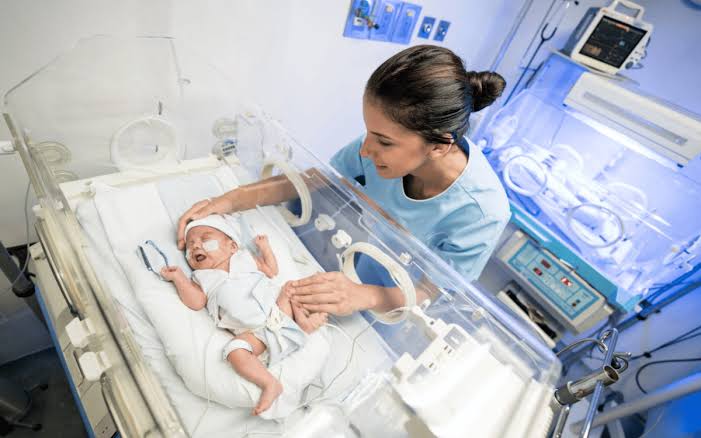
The NICU quickly became part of her daily routine. She learned to recognize the sounds of medical monitors, spoke with nurses during every shift change, and carefully celebrated each small improvement in Lily’s health.
Advertisement
Meanwhile, Michael continued working full-time. Every evening he visited the hospital after work, but those brief visits often felt too short to share everything Sarah had experienced throughout the day.
Sarah never doubted that Michael loved their daughter. What she missed was having someone beside her during doctor consultations, difficult moments, and the long hours spent waiting for encouraging news.
Friends and relatives offered meals, rides, and kind messages. Their generosity helped with practical needs, but it couldn’t replace the comfort Sarah hoped to receive from her husband.
As the weeks passed, exhaustion began affecting Sarah’s emotional well-being. She felt guilty for struggling because she knew many families faced even more serious medical challenges.
Michael noticed Sarah becoming quieter during their evening conversations. He assumed she was simply tired from recovering and spending so much time at the hospital.
One afternoon, a nurse gently encouraged Sarah to speak honestly with Michael about how isolated she was beginning to feel. The nurse reminded her that emotional needs were just as important as physical recovery.
That evening Sarah finally shared everything she had been keeping inside. She explained she wasn’t criticizing his decision but needed him to understand how lonely each hospital day had become.
Michael listened carefully without interrupting. Hearing Sarah describe her experience from beginning to end made him realize he had been focusing almost entirely on planning for the future instead of supporting the present.
The following morning, Michael contacted his employer to discuss flexible scheduling options. He discovered there were several alternatives he hadn’t previously considered.
With his manager’s support, Michael began working shorter days and using part of his parental leave immediately while saving the remainder for Lily’s discharge.
The change transformed their daily routine. Michael attended medical updates, helped care for Lily during visiting hours, and simply sat beside Sarah during difficult moments when words weren’t necessary.
Sharing those experiences strengthened their partnership. They celebrated every small milestone together, from Lily breathing more independently to gaining enough weight for doctors to discuss discharge plans.
Several weeks later, the medical team announced that Lily was finally healthy enough to leave intensive care. It was the moment Sarah and Michael had imagined since the day she was born.
Returning home brought new challenges, including sleepless nights, feeding schedules, and endless diaper changes. This time, however, they faced every obstacle together.
Michael used the remainder of his parental leave to support Sarah at home. Having already shared the NICU experience made them communicate more openly and divide responsibilities more naturally.
Looking back, both realized there hadn’t been a villain in their story. Michael had made a practical decision with good intentions, while Sarah had needed emotional support she struggled to express.
The experience taught them that major life decisions require more than financial planning. Honest conversations, empathy, and flexibility often matter just as much as careful preparation.
As Lily grew into a healthy, energetic child, Sarah and Michael occasionally reflected on those difficult first weeks. Although the memories remained emotional, they also reminded the couple that strong families aren’t built by avoiding hardships—they’re built by facing them together, listening to one another, and choosing compassion even when circumstances are uncertain.