Tenant At Her Wit’s End With “Demon Neighbor” Plans Pro Revenge And Serves It Cold
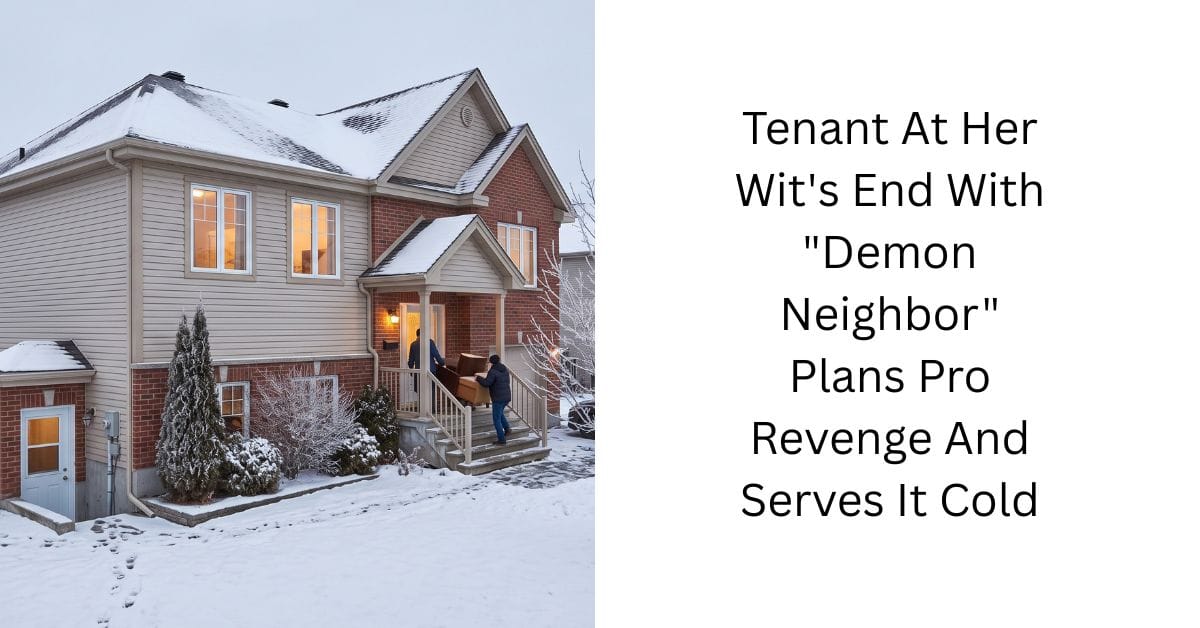
For nearly three years, the tenant had tried everything imaginable to keep the peace with the woman living next door. What started as occasional late-night arguments and loud music gradually turned into a daily nightmare. Doors were slammed at all hours, trash mysteriously appeared outside her apartment, and anonymous complaints were repeatedly filed against her with building management. Despite documenting each incident with photos, videos, and written notes, she felt trapped because every complaint seemed to end with promises that the situation would improve, only for the harassment to begin again within days. Friends encouraged her to move, but rising rent prices made relocation nearly impossible. Instead, she quietly focused on collecting evidence while waiting for the right opportunity to finally put an end to the constant stress that had taken over her home.
The Neighbor’s Behavior Spirals Out of Control
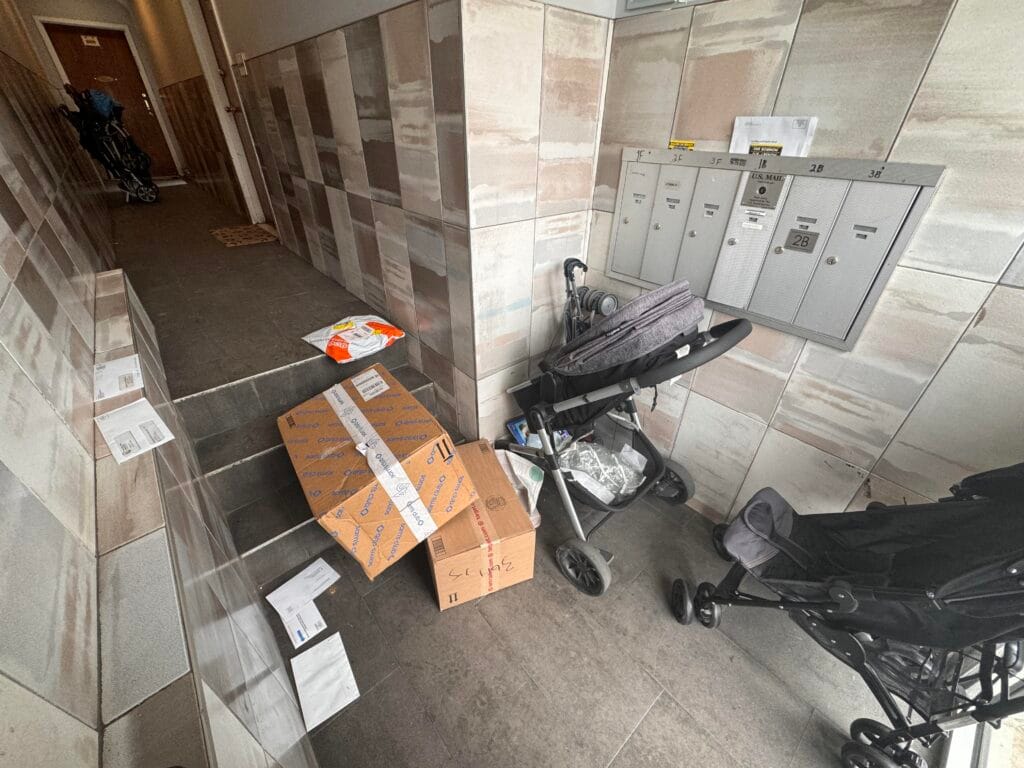
The neighbor’s behavior became increasingly bold as the months passed. She would intentionally block shared hallways with boxes and furniture, making it difficult for others to reach their apartments. Guests visiting the tenant were often greeted with rude comments or false accusations before they even reached the front door. On several occasions, packages disappeared shortly after being delivered, and security footage showed suspicious activity near the tenant’s doorstep. Although no single incident seemed serious enough to trigger immediate action, the growing pattern painted a disturbing picture. Other residents quietly admitted they had experienced similar problems but were too intimidated to speak publicly, fearing they would become the neighbor’s next target.
Advertisement
Rather than responding emotionally, the tenant decided to approach the situation strategically. She organized every email, maintenance request, security recording, and witness statement into a detailed timeline covering nearly two years. She also learned the building’s rules and local tenant protections, making sure every future complaint referenced specific lease violations instead of personal opinions. Whenever another incident occurred, she calmly reported it with clear evidence instead of engaging in arguments. Her patience frustrated the neighbor, who seemed convinced that intimidation would eventually force her to leave. Instead, the tenant was quietly building an undeniable case that management could no longer ignore.
The turning point arrived when several residents independently submitted complaints describing nearly identical experiences. Combined with security footage and maintenance reports, the evidence revealed a consistent pattern of disruptive and hostile behavior affecting multiple tenants throughout the building. Property managers launched a formal investigation, interviewing residents and reviewing months of documentation. The tenant’s carefully organized records proved invaluable, showing that the incidents were not isolated misunderstandings but part of an ongoing campaign of harassment. For the first time, management realized the problem extended far beyond a simple disagreement between neighbors.
The Investigation Brings Long-Awaited Justice
When the investigation concluded, the outcome felt like justice served after years of frustration. Building management issued serious lease enforcement measures against the troublesome neighbor and introduced stricter policies designed to protect residents from similar harassment in the future. The tenant finally experienced something she had almost forgotten—a peaceful evening without shouting, intimidation, or unnecessary drama. Although the experience had tested her patience and resilience, it also demonstrated the value of remaining calm, documenting every incident, and allowing facts to speak louder than anger. Her quiet determination ultimately succeeded where emotional confrontations had failed, proving that sometimes the most effective revenge is simply letting the truth win.

Advertisement
Read Story…
I froze my psycho neighbor out of her apartment
In college, my two friends and I decided to find a place together off-campus. We found a beautiful three-bedroom house with surprisingly affordable rent.
The basement of the house was listed as a separate apartment, but as it had a separate entrance and the indoor stairwell had been blocked off, we weren’t worried. And the thermostat was upstairs.
Then the demon neighbor moved in. From upstairs, we could hear everything. This adult woman would call her mother and scream at her to pay for her cellphone bills and give her “grocery” money (aka Taco Bell and cheap tequila), she would scream at whatever guy she was sleeping with to bring her meth, and one day, she brought home three puppies to scream at, too.
We were terrified of this woman, and the noise was hell. Also, we’d been idiotic enough to sign a lease stating we were responsible for all utilities, period, meaning we were now financing her gas, water, and electric. But with only two months left on the lease, we thought we could just ride it out.
But then she started smoking. Constantly. According to the landlord, she’d “quit for good” when she’d signed the lease, but “for good” only lasted two days. Since it was winter, the heat was running nearly 24/7, and the smoke was wafting up from the vents. Our apartment and all our belongings began to reek with smoke.
We contacted the landlord, because we’d signed for a bloody non-smoking apartment. He told us we lived in a state where you could technically call an apartment non-smoking even if it shared ventilation with a smoking apartment. (Fuck you, leasing laws).
At this point, my two roommates were heading out for a two-week vacation (they were online students, while I was residential), leaving me alone in the apartment with the demon smoker in the basement.
I couldn’t sleep or eat, because my idiotic stomach decided to react to all the secondhand smoke by aching and cramping constantly.
After three days, I was a little insane. I made a plan.
I checked the forecast: lows in the 20s all week. I borrowed a friend’s ultra-insulated sleeping bag. I bought one of those ski masks with the holes for your eyes and mouth. I got out my stocking cap, my silk long underwear, my woolen socks, and my down parka. I bought tea, hot cocoa, and ramen, and prepared to live off a diet of hot liquids.
And I turned off the fucking heat.
Day 1: She’s screaming at her mother for forcing her to move into this frozen shit-hole of an apartment.
Day 2: She’s screaming at her boyfriend (meth-dealer?) because he won’t let her move in with him.
Day 3: She’s screaming at the landlord about how she’s fucking freezing.
Day 4: The landlord is at my door. I greet him in full ski mask/parka/stocking cap array, looking like I’m heading out to rob Santa Claus at the North Pole. He asks me if I don’t find it a little chilly in the house. I reply I’d found all the cigarette smoke a little warm.
Day 5: She’s screaming about “THE BITCHES UPSTAIRS” to anyone who will listen, and I’m sitting upstairs clutching my car keys and my pepper spray with 911 typed into my phone. She finally decides she’s fucking leaving and moving in with Greg, “even though he just got out for stabbing Travis, and he lives in that fucking creepy house in the woods with all those asshole biting dogs.”
Day 6: She’s GONE. I silently bless Greg.
Moral of the story: There’s a bloody reason the rent seems too good to be true.
Ps. For those wondering, I did have a friend who worked plumbing stop by to give me some advice about how low I could go before I burst the water pipes to hell and back.
A Peaceful Apartment Turns Into a Daily Nightmare
Emily soon realized the noise was only the beginning of her problems. The new neighbor, a middle-aged man named Victor, seemed to enjoy creating conflict wherever he went. He left overflowing trash bags outside his apartment for days, allowing unpleasant odors to spread through the hallway. He frequently parked in spaces reserved for other tenants and refused to move his vehicle even after receiving polite requests. Visitors coming to Emily’s apartment often mentioned that Victor would stare at them through his partially open door before making sarcastic remarks loud enough for everyone to hear. At first, Emily tried introducing herself and asking if they could work together to keep the building peaceful, but the conversation ended with Victor laughing and telling her that if she wanted silence, she should buy a house instead of renting an apartment.

Advertisement
As the months passed, Victor’s behavior became more personal. Packages addressed to Emily mysteriously disappeared before she could retrieve them, while maintenance requests she submitted were followed by anonymous complaints accusing her of making excessive noise. The accusations made little sense because Emily worked from home and spent most evenings reading or watching television at a reasonable volume. She began to suspect that Victor was deliberately trying to make her appear to be the troublesome tenant. Although building management investigated each complaint, they rarely found evidence supporting either side, leaving Emily increasingly frustrated. She felt trapped in a situation where the truth was difficult to prove, and every attempt to defend herself only seemed to encourage Victor to continue his campaign of intimidation.
Instead of allowing her emotions to control her decisions, Emily chose a different approach. She purchased a notebook specifically to document every incident in detail. Each entry included the date, time, description of what happened, and, whenever possible, photographs or short video clips captured on her phone. She also saved copies of every email exchanged with building management and politely requested written confirmation whenever maintenance staff visited the property. At first, keeping such detailed records felt excessive, but over time the notebook became an organized timeline showing that the disturbances were not isolated events. Emily understood that convincing evidence would ultimately carry far more weight than angry accusations or emotional confrontations.
Emily also began speaking with other residents in the building, not to gossip but to determine whether anyone else had experienced similar problems. To her surprise, several neighbors quietly admitted they had been dealing with Victor’s disruptive behavior for months. One elderly resident explained that Victor frequently banged on shared walls late at night, while another tenant described repeated arguments over parking spaces and common areas. Many people had remained silent because they feared becoming his next target. Emily encouraged them to document their own experiences rather than relying on verbal complaints. Gradually, multiple residents started keeping records of incidents, creating independent accounts that painted a remarkably consistent picture of Victor’s behavior throughout the building.
Over the following weeks, Emily noticed that Victor became even more careless because he believed no one could stop him. He blasted music before sunrise on weekends, argued loudly on his balcony, and ignored repeated reminders about the building’s quiet hours. Whenever management posted notices asking residents to be considerate, Victor would sarcastically joke in the hallway that the rules were “only suggestions.” Emily refused to react publicly. Instead, she calmly added each new incident to her growing file. Every recording, photograph, and witness statement strengthened the timeline she had spent months creating, while Victor remained convinced that his behavior would never have real consequences.
Security Cameras Capture the Truth
The situation reached a new level when a security camera was installed near the building’s entrance as part of a routine property upgrade. Within days, the footage captured Victor kicking packages away from apartment doors, leaving garbage in shared hallways, and intentionally blocking emergency exits with bulky furniture. The recordings confirmed what many tenants had described for months. Rather than celebrating, Emily simply requested copies of the footage through management and added them to her documentation. She knew that reliable evidence would speak far louder than emotional arguments ever could.

Advertisement
Meanwhile, more residents found the confidence to report their own experiences. One family described sleepless nights caused by constant shouting, while another tenant explained that guests had stopped visiting because they felt uncomfortable passing Victor’s apartment. Even longtime residents who normally avoided conflict admitted they were tired of living in a building where one person’s behavior affected everyone else’s quality of life. What had once appeared to be a disagreement between two neighbors was now clearly a building-wide problem that management could no longer dismiss as a misunderstanding.
Property management finally scheduled formal interviews with several tenants and reviewed months of complaints, maintenance reports, and security footage. Emily arrived with neatly organized folders containing every document she had collected. Rather than speaking emotionally, she answered each question calmly and referred to specific dates, times, and supporting evidence. The managers were impressed by how carefully everything had been documented. As they compared Emily’s records with statements from other residents, the similarities became impossible to ignore. A clear pattern of disruptive behavior emerged, supported by multiple independent sources.
By the end of the investigation, Victor’s confidence had begun to disappear. For the first time, he realized that years of intimidation had created a trail of evidence that could not easily be explained away. While he attempted to blame his neighbors for conspiring against him, the documented facts told a different story. Emily watched quietly as management handled the situation according to the lease agreement. She had never wanted revenge through shouting matches or personal attacks. Her goal had always been simple: to restore peace to the place she called home.
A week later, management informed all residents that a formal review of lease compliance had been completed. Without revealing private details, they announced that repeated violations of community rules would no longer be overlooked. New notices were posted throughout the building reminding everyone of quiet hours, shared-space expectations, and the consequences of harassment. Many tenants felt a sense of relief, believing that their concerns had finally been taken seriously. Emily noticed that the atmosphere in the building immediately became calmer, as residents who had previously avoided one another now stopped to chat in the hallway and expressed hope that things were finally changing.
Victor, however, refused to accept responsibility. Instead of apologizing or changing his behavior, he attempted to convince others that he was being unfairly targeted. He complained loudly that everyone was exaggerating minor disagreements and insisted that the building management had chosen to believe false accusations. But unlike before, very few people listened. The consistent documentation from multiple tenants had established a clear pattern, making it difficult for anyone to dismiss the complaints as simple misunderstandings. For the first time since moving into the building, Emily realized that she was no longer facing the problem alone.
Building management increased inspections of the common areas and responded more quickly whenever maintenance or safety issues were reported. Hallways remained cleaner, shared facilities were properly maintained, and residents began following community guidelines more carefully. Emily appreciated these improvements because they benefited everyone, not just her. She believed that a peaceful apartment building depended on mutual respect and consistent enforcement of the rules rather than personal conflicts or favoritism. The positive changes reminded her why she had chosen the property in the first place and renewed her confidence that the community could recover from months of unnecessary tension.
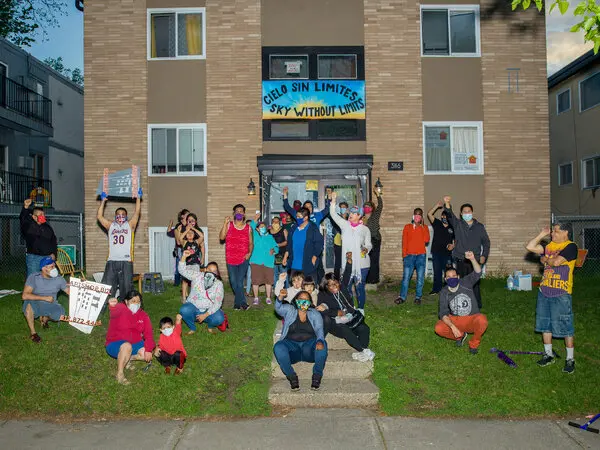
One evening, several neighbors gathered in the courtyard for an informal cookout organized by the tenants themselves. It was the first community event many of them had attended together in a long time. During casual conversations, they shared stories about how stressful life in the building had become before they finally decided to speak up. Many admitted they had remained silent for far too long because they feared retaliation. Emily encouraged everyone to continue communicating respectfully and to report future problems promptly instead of allowing frustrations to grow. The gathering helped rebuild trust among residents who had spent months avoiding one another because of the ongoing conflict.
Looking back on everything that had happened, Emily realized the experience had taught her valuable lessons about patience, preparation, and perseverance. There were many moments when she had wanted to respond emotionally, argue with Victor, or simply move away and leave the problem behind. Instead, she chose to remain calm, follow the proper procedures, and let evidence guide every decision. Although the process required time and persistence, it ultimately produced a fair outcome without unnecessary confrontation. Emily finally enjoyed the quiet home she had imagined when she first signed her lease, proving that determination and careful documentation could accomplish far more than anger ever could.
As the weeks turned into months, the apartment building slowly regained its sense of community. Children once again played in the courtyard after school, neighbors greeted each other with friendly smiles, and weekend mornings were no longer interrupted by shouting or loud music. Emily noticed that people who had rarely spoken before were now exchanging small favors, collecting packages for one another, and organizing occasional coffee meetups in the lobby. The peaceful atmosphere reminded everyone how much a single disruptive resident had affected daily life. It also showed how quickly a community could recover once people felt safe enough to support one another.
Victor made one final attempt to challenge management’s decisions, insisting that the complaints against him had been exaggerated. However, every concern had been supported by records, witness statements, and security footage gathered over many months. The review process had been thorough and impartial, leaving little room for disagreement. Faced with overwhelming evidence, Victor eventually realized that continuing to deny responsibility would not change the outcome. His confidence faded as he recognized that actions repeated over a long period inevitably leave a trail that cannot easily be ignored.
Emily never celebrated Victor’s difficulties or spoke negatively about him to other residents. Instead, she focused on rebuilding her own sense of comfort and security. She redecorated her apartment with new plants, brighter lighting, and cozy furniture that made the space feel like home again. For the first time in a long while, she could enjoy reading by the window, watching movies without interruption, and sleeping through the night without being startled awake by unnecessary disturbances. The simple pleasures she had once taken for granted suddenly felt far more meaningful.
The experience also inspired Emily to become more involved in the apartment community. She volunteered to help welcome new tenants, sharing practical information about building rules and encouraging everyone to communicate respectfully with management whenever problems arose. Her goal was not to dwell on the past but to help prevent similar situations from developing in the future. Many neighbors appreciated her calm approach and admired the patience she had shown throughout the difficult months. What began as a personal struggle had unexpectedly transformed her into someone others trusted for advice and support.
Looking back, Emily realized that her greatest victory had never been about revenge. It was about proving that patience, organization, and respect for proper procedures could overcome even the most frustrating circumstances. While quick emotional reactions might have provided temporary satisfaction, they would likely have complicated the situation instead of resolving it. By remaining calm and allowing the facts to speak for themselves, she had protected both her own credibility and the well-being of the entire apartment community. In the end, the peaceful home she had fought so hard to preserve became the strongest reminder that perseverance often delivers the most satisfying outcome.
From Personal Struggle to Community Lesson
News of the situation quietly spread beyond the apartment building after a few residents shared their experiences with friends living in nearby complexes. Several people commented that they had dealt with similar neighbors but had never thought to keep detailed records of each incident. Emily’s story became an example of how remaining calm and following the proper procedures could lead to a fair resolution. Instead of encouraging conflict, her experience highlighted the importance of documenting facts, respecting legal processes, and working cooperatively with property management whenever disputes become ongoing problems. The attention never made Emily feel proud—it simply reminded her that many tenants face similar challenges and often need reassurance that they are not powerless.
Advertisement
Months later, life in the building had returned to a routine that many residents had almost forgotten was possible. Hallways remained clean, shared spaces were well maintained, and neighbors once again felt comfortable opening their doors without wondering what confrontation might be waiting outside. Emily found herself smiling more often, inviting friends over for dinner, and enjoying quiet evenings on her balcony. The stress that had once followed her home every day gradually faded, replaced by a sense of stability and comfort. She realized that a peaceful home is more than just four walls—it is a place where people feel safe, respected, and free from constant anxiety.
Reflecting on everything she had experienced, Emily understood that the greatest lesson was not about revenge at all. True success came from refusing to let another person’s behavior define her own actions. By choosing patience over anger, evidence over accusations, and persistence over frustration, she achieved the outcome she had hoped for without sacrificing her integrity. Her journey demonstrated that even the most difficult neighbor disputes can be resolved through careful documentation, respectful communication, and trust in established procedures. In the end, the quiet apartment she had nearly abandoned became a symbol of resilience, proving that sometimes the most satisfying victory is simply reclaiming the peace that should have been yours all along.