Woman Bans Aunt Who Secretly Changed Grandpa’s Will From Her Wedding, Grandma Calls Her Unforgiving
Twenty-nine-year-old Claire had spent over a year planning her wedding, hoping it would be a joyful celebration that brought her family together. While most of the preparations were exciting, one unresolved issue continued to weigh heavily on her mind. Years earlier, after her grandfather’s passing, disagreements over his estate had divided the family. Claire believed that one of her relatives had acted dishonestly during the inheritance process, leaving lasting resentment that never fully healed. Although time had passed, the emotional wounds remained fresh whenever the family gathered.
As wedding invitations were being finalized, Claire carefully considered who should attend. She wanted the day to be filled with people she trusted and felt comfortable around. After discussing the matter with her fiancé, she decided not to invite the relative whose actions she believed had damaged the family relationship. Her decision wasn’t meant as revenge but as an attempt to avoid unnecessary tension during one of the most important days of her life. She informed close relatives privately, hoping they would respect her choice even if they disagreed with it.
Advertisement
The decision quickly became a topic of discussion within the family. Claire’s grandmother believed everyone should be given another chance and urged her to reconsider, arguing that weddings should focus on forgiveness rather than old conflicts. Claire listened respectfully but explained that forgiveness and reconciliation were not always the same. She said she had worked hard to move forward emotionally, yet she wasn’t ready to celebrate such a personal milestone with someone she no longer trusted. Several relatives supported her, while others wished the disagreement could simply be forgotten.
As the wedding approached, emotions ran high, but Claire remained calm and respectful. She reassured her grandmother that her decision was not intended to force anyone else to choose sides. Instead, she wanted a peaceful ceremony where she could focus on beginning married life without worrying about unresolved family tensions. Although the conversations were difficult, Claire appreciated the opportunity to explain her feelings honestly rather than allowing assumptions to create even more misunderstanding.
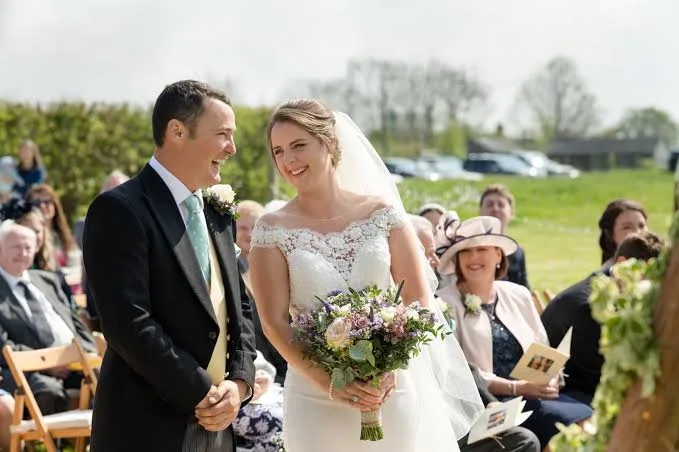
On the wedding day, the ceremony was filled with warmth, laughter, and support from the family members and friends who attended. While not everyone agreed with Claire’s decision, most respected that it was ultimately her wedding and her choice. In the months that followed, family relationships slowly began to improve through open conversations rather than arguments. Claire realized that setting boundaries did not prevent kindness or forgiveness—it simply allowed her to protect her peace while leaving the door open for healthier relationships in the future.
Advertisement
Read Story…
AITAH For Not Allowing My Aunt to Come to My Wedding after She Tried to Steal My Childhood Home
I, 27yo F, just got engaged to my fiancée, 31 yo M, around Christmas. For context, my family is very small – my mom has one older sister, my Aunt D, and one younger brother, my Uncle P. I never knew my grandparents on my dad’s side, so my only grandparents were my mom’s parents.
When going through the guest list for the wedding, I specifically said to my mom I do not want to invite my Aunt D after she tried to steal my childhood home a few years back. Here’s that story:
My Aunt D was always the child that needed the most coddling, according to my grandmother. My grandmother is notorious for making excuses for everything my Aunt D does all because she “doesn’t want to hurt her feelings.” “She’s too fragile.”
In the 90’s, my grandparents and my parents built a home together, all 4 people on the deed. I grew up an only child and was raised by my grandparents while my parents were at work each day – which made us really close. In the 2010’s my grandfather started showing signs of dementia. He was officially diagnosed before COVID hit and isolation during lockdown made him deteriorate fast. In 2022, he could barely remember who any of our family members were, what day/year it was, and what his age was. It got so bad that my grandmother had to get home nursing help for him, until 2024 when we finally admitted him into memory care.
In 2024, while we were trying to get him on medicaid (so his memory care costs would be paid for), my Uncle P took a look at my grandfather’s will. We found out that in 2022, my Aunt D took my grandfather to a lawyer friend and cashed in a favor. She had the lawyer rewrite his will so that when he dies, my Aunt D would get his and my grandmother’s portions of the deed to my family home and all of the equity along with it. She claims that my grandfather asked her to do this and that she was “just fulfilling his wishes in his old age.” My grandfather was in not in any mental state to make decisions like this at this time as he could barely remember his age and name at that time. My grandmother, my parents, and my Uncle and I had no idea that this had occurred 2 years prior. My grandmother was very unhappy about this, but refused to do anything about it all to save Aunt D’s feelings.
I was heartbroken. I had dreamed about raising my own children in his home. We had no choice but to sell the house while my grandfather was alive so my Aunt D could not profit off the house. She tried twice to stop the sale of the house, claiming she was on the deed. Both times were unsuccessful as when the brokers looked at the deed, it didn’t have her name on it. She got mad at us and said we are “financially ruining her” by selling the house. We finally sold it in 2024 and gave my grandparents a portion of the sale so they could have a good nest egg to live off of. My grandmother ended up using the money to buy her own house after my grandfather died – her first home she’s ever owned by herself! Now, my Aunt D is trying to get on my grandmother’s will so she can claim her new house when she dies one day.
All of this leads me to today. I have gone no contact with my Aunt D and do not want to have her at the wedding. Our wedding is destination and I don’t feel like being isolated with her for a week. She has never admitted to what she did and will not apologize. Mt grandmother is upset at me for not forgiving her and just moving forward after everything. She wants me to invite Aunt D and and use the isolated venue as a way to force us to communicate and work out our problems. I don’t think my wedding should be the place to do this, nor do I have any want or need to make amends with her any time soon. AITAH?
Lauren Hoped Her Big Day Would Unite Her Family
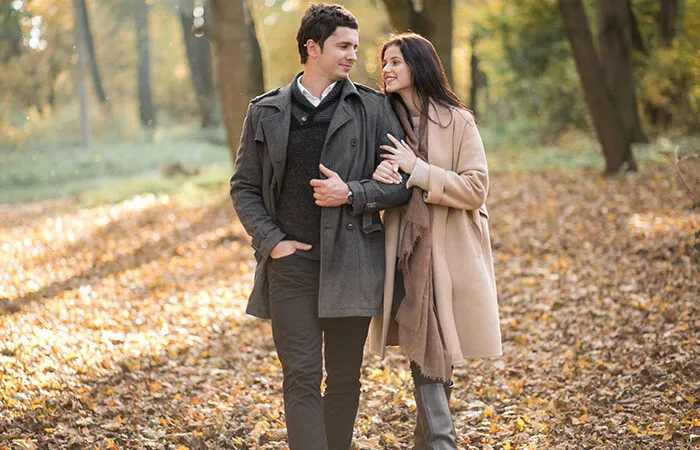
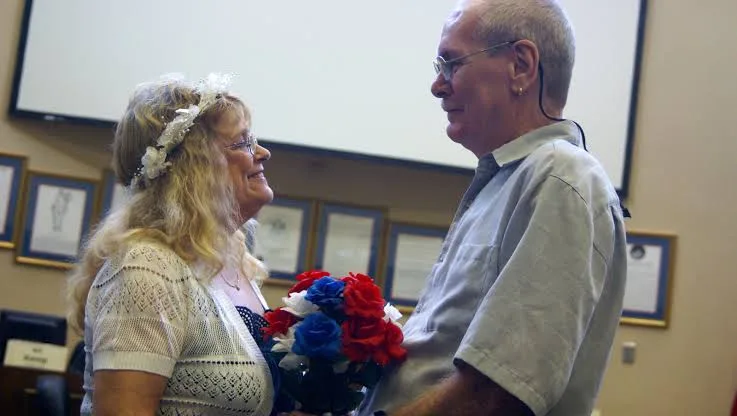
Twenty-nine-year-old Lauren had always imagined her wedding as a celebration of love, unity, and the people who had supported her throughout her life. As she and her fiancé, David, finalized the guest list, she hoped the day would be remembered for joyful moments rather than family disagreements.
Advertisement
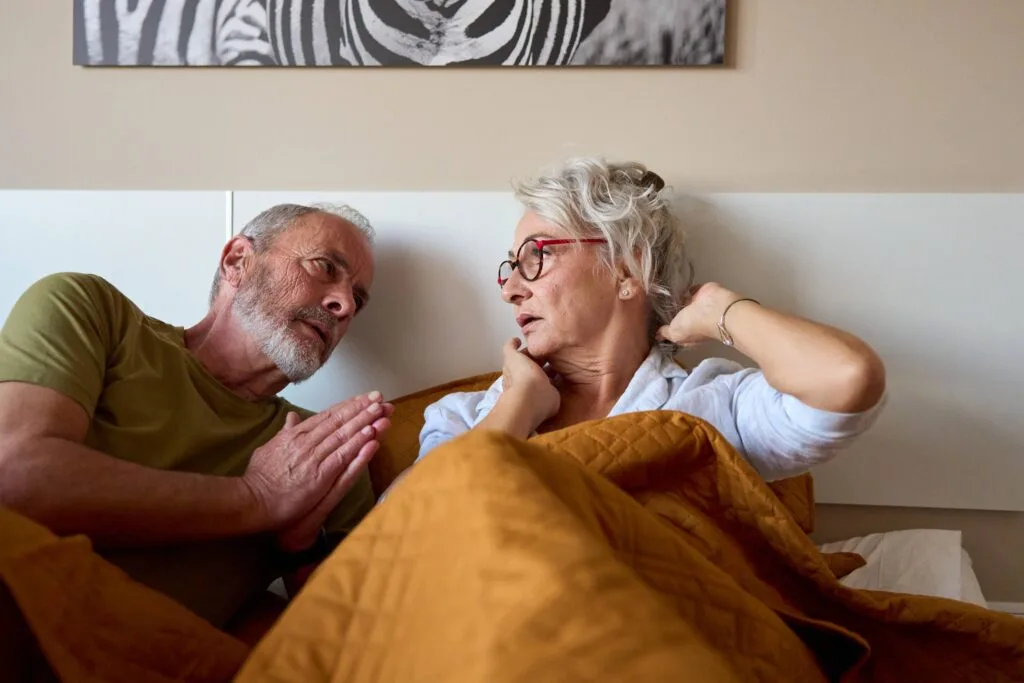
Despite her excitement, one unresolved conflict continued to trouble her. Several years earlier, disagreements surrounding her late grandfather’s estate had created deep divisions within the family that never fully healed.
Advertisement
Lauren had been especially close to her grandfather. Throughout her childhood, he encouraged her education, celebrated every achievement, and often reminded her that honesty was one of the most valuable qualities a person could possess.
After his passing, relatives gathered to settle financial matters. What everyone expected to be a straightforward process instead became the beginning of years of tension and mistrust.

Advertisement
Conflicting accounts about important documents and family agreements led to disagreements that affected relationships far more than finances ever could.
Although no court battle followed, several relatives stopped speaking to one another. Family holidays became smaller, birthdays were celebrated separately, and longtime traditions quietly disappeared.
Advertisement
Lauren tried for years to remain neutral. She believed peace was possible, but rebuilding trust proved far more difficult than she had expected.
As wedding planning began, Lauren and David carefully discussed every invitation. They agreed their wedding should feel welcoming, comfortable, and emotionally safe.
Lauren eventually decided not to invite one relative whose actions during the estate dispute had permanently damaged her trust.
The decision wasn’t motivated by revenge. Instead, Lauren believed that inviting someone she no longer felt comfortable around would create unnecessary stress on an important day.
When invitations were mailed, word quickly spread through the extended family. Some relatives quietly understood Lauren’s decision, while others worried it might reopen old disagreements.
Lauren’s grandmother felt especially disappointed. She believed weddings should unite families regardless of past conflicts and hoped everyone could set aside old pain for a single day.
During a private conversation, Lauren listened respectfully as her grandmother encouraged forgiveness and reconciliation.
Lauren gently explained that forgiveness didn’t automatically restore trust. She wished everyone well but wasn’t ready to celebrate one of the happiest days of her life alongside someone she no longer felt comfortable inviting.
Although emotional, the conversation remained respectful. Both women recognized they wanted the same outcome—a happy family—even if they disagreed about how to achieve it.
David supported Lauren throughout the discussions. He reminded her that their wedding represented the beginning of their marriage and that both of them deserved to feel relaxed and secure during the celebration.
Several relatives privately reached out to Lauren, expressing appreciation that she had made her decision thoughtfully rather than acting impulsively.
Others encouraged future conversations after the wedding, believing emotional discussions would be more productive once the pressure of planning had passed.
As the wedding day approached, Lauren focused on details she could control instead of worrying about opinions she couldn’t change.
The ceremony itself was everything she had hoped for. Friends and family celebrated together, laughter filled the reception hall, and the day centered on love instead of conflict.
Even relatives who had questioned Lauren’s decision admitted afterward that the event remained peaceful and joyful throughout the celebration.
Several weeks later, Lauren visited her grandmother for lunch. Without the stress of wedding preparations, their conversation became calmer and more reflective.
Her grandmother admitted she still wished everyone had been together but acknowledged that Lauren had handled the situation with maturity and respect instead of anger.
Lauren explained that setting boundaries wasn’t intended to punish anyone. She simply wanted to begin married life surrounded by people she fully trusted.
Looking back, Lauren realized that every family experiences disagreements, but lasting relationships depend on honest communication, mutual respect, and recognizing that forgiveness and personal boundaries can exist at the same time. Although not every conflict was resolved, the wedding marked the beginning of a healthier chapter built on openness, understanding, and hope for better days ahead.